ظرفهای غذای حیوانات خانگی قابل تجزیه زیستی
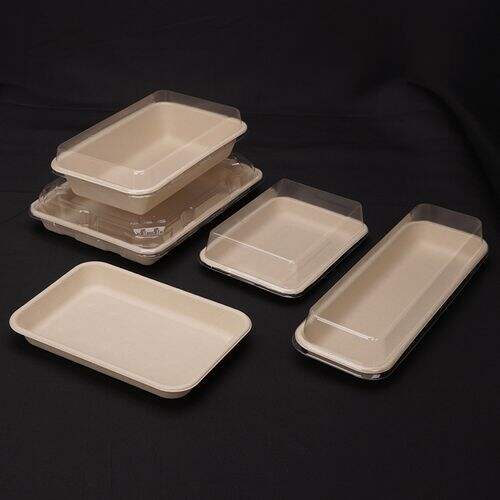
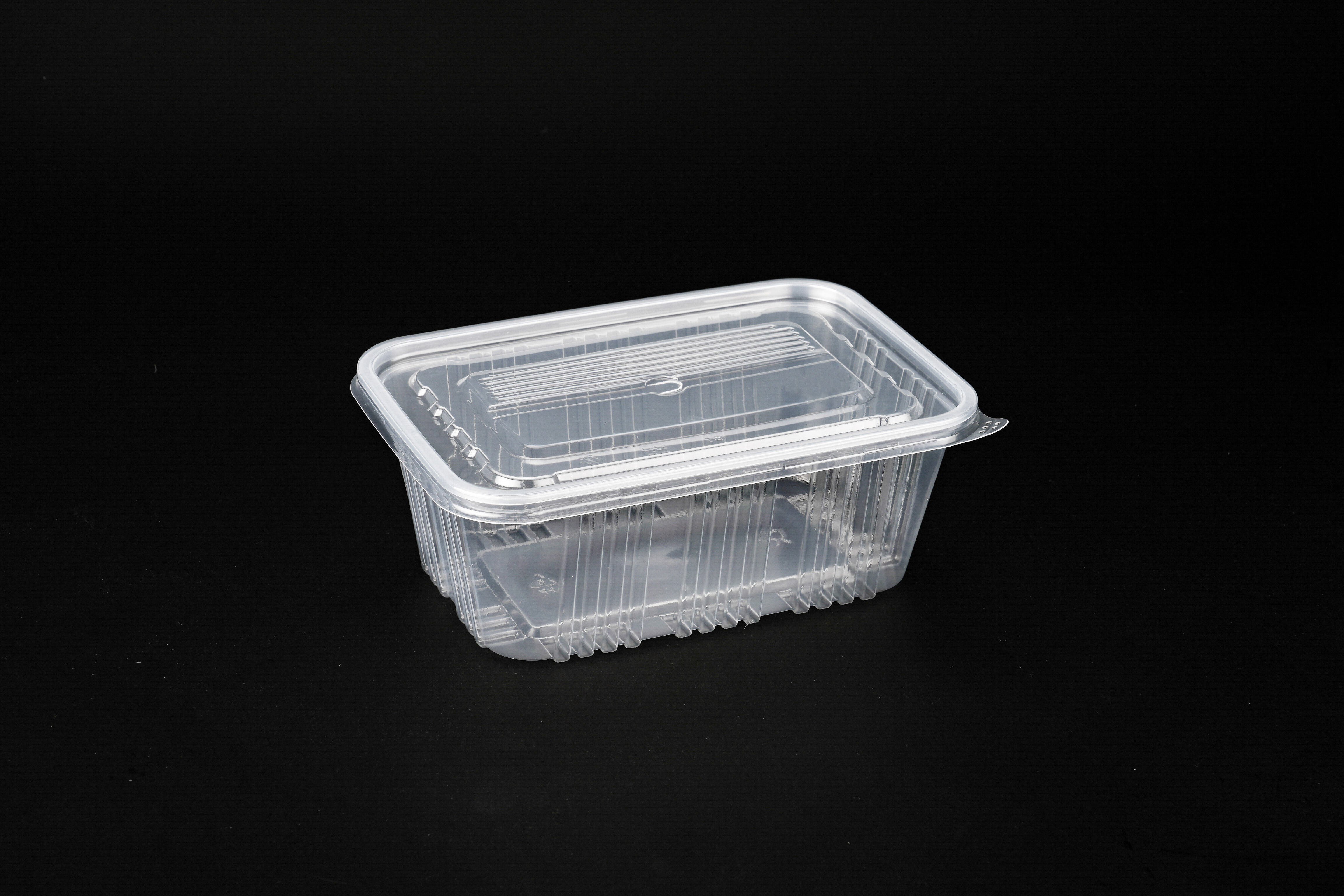
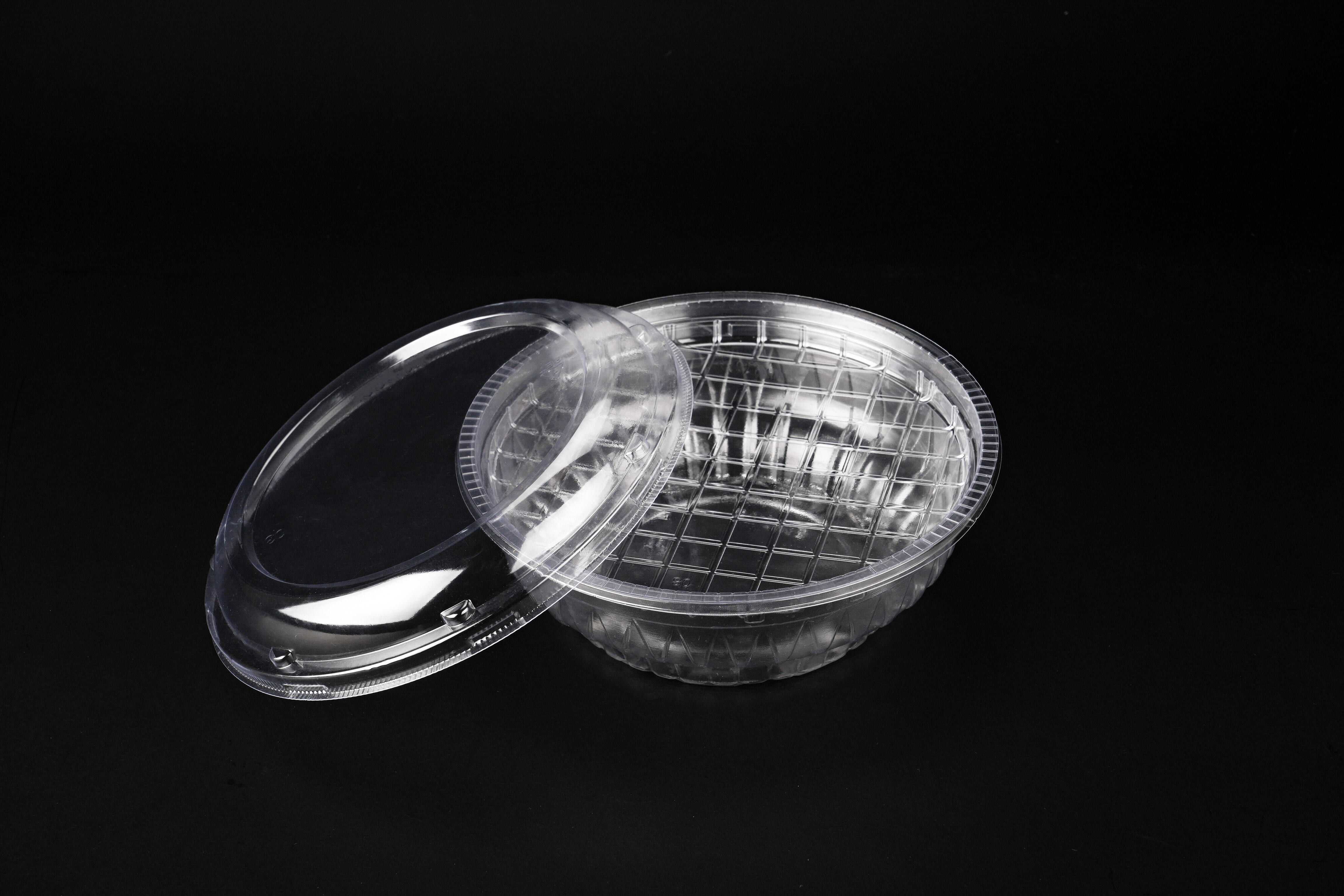
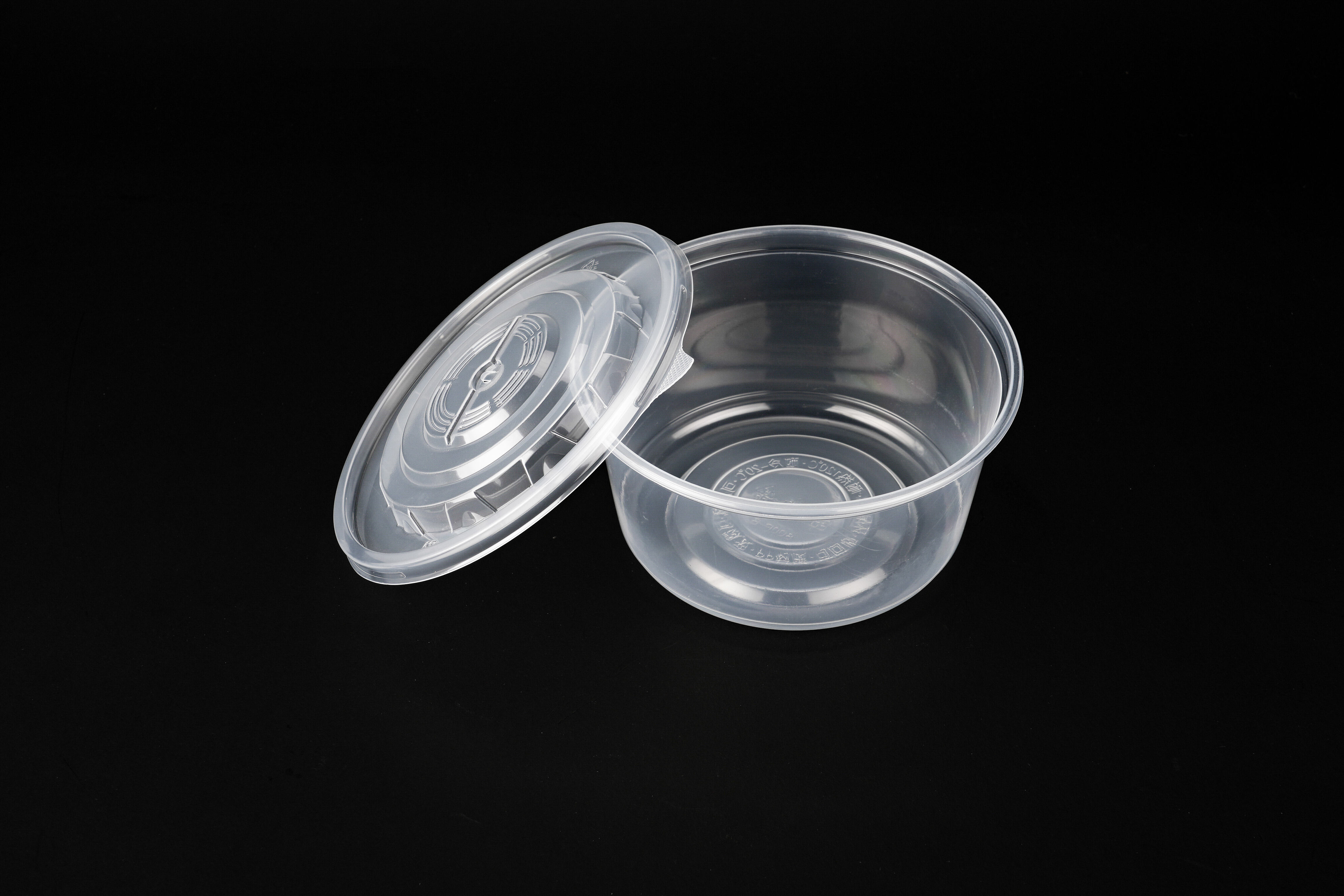
ظرفهای غذای حیوانات خانگی قابل تجزیه زیستی، پیشرفتی انقلابی در راهکارهای بستهبندی پایدار هستند که بهطور خاص برای صنعت مراقبت از حیوانات خانگی طراحی شدهاند. این ظرفهای نوآورانه از مواد ارگانیک ساخته میشوند که بهصورت طبیعی در طول زمان تجزیه میشوند و جایگزینی زیستمحیطی مسئولانه برای بستهبندیهای سنتی پلاستیکی ارائه میدهند. عملکرد اصلی این ظرفهای قابل تجزیه زیستی حفظ تازگی و ارزش تغذیهای غذای حیوانات خانگی است، در حالی که شرایط بهینه ذخیرهسازی را از طریق فناوریهای پیشرفته مانعی (باریِر) حفظ میکنند. این ظرفها بهطور مؤثر در برابر رطوبت، اکسیژن و نور محافظت میکنند که میتوانند کیفیت غذا را تحت تأثیر قرار دهند. ویژگیهای فناورانه شامل پلیمرهای زیستمبنا و تخصصی است که از منابع تجدیدپذیری مانند نشاسته ذرت، باگاس نیشکر و الیاف کاغذ بازیافتی تهیه میشوند. این مواد با استفاده از فرآیندهای پیشرفته پردازشی، بستهبندیهایی با دوام و در عین حال دوستدار محیطزیست تولید میکنند. فناوریهای پوششی پیشرفته، قابلیت دربندی مناسب را تضمین میکنند و در عین حال استحکام ساختاری ظرف را در طول دوره عمر محصول حفظ مینمایند. فرآیند تولید از تکنیکهای پیشرفته قالبگیری فشاری و اکسترودر بهره میبرد که چگالی و ویژگیهای مقاومتی مواد را بهینه میسازد. کاربردهای این ظرفها در طیف گستردهای از دستهبندیهای غذای حیوانات خانگی از جمله غذای خشک (کیبل)، غذای مرطوب، تنقلات و محصولات تخصصی رژیمی گسترده است. تولیدکنندگان تجاری غذای حیوانات خانگی این ظرفها را بهطور فزایندهای برای بستهبندی خردهفروشی به کار میبرند، در حالی که صاحبان حیوانات خانگی از آنها برای ذخیرهسازی در خانه و کنترل سهمیههای غذایی استفاده میکنند. کلینیکهای دامپزشکی و مراکز اقامت حیوانات خانگی نیز از این ظرفها برای ذخیرهسازی داروها و برنامههای تغذیهای تخصصی بهره میبرند. این ظرفها دارای طراحی کاربرپسندی هستند که شامل دربهای محکم، سطوحی با قابلیت گرفتن آسان و قابلیت انباشتهشدن برای بهینهسازی فضای ذخیرهسازی میشود. ویژگیهای مقاومت در برابر دما، پایداری را در شرایط آبوهوایی متنوع تضمین میکنند، در حالی که ترکیب قابل تجزیه زیستی، سرعت تجزیه را در محیطهای مناسب کمپوستسازی افزایش میدهد. این ظرفها معمولاً در شرایط بهینه در بازه زمانی ۹۰ تا ۱۸۰ روز تجزیه میشوند که این امر تأثیر زیستمحیطی آنها را در مقایسه با جایگزینهای سنتی پلاستیکی که صدها سال در محیط باقی میمانند، بهطور قابل توجهی کاهش میدهد.

 EN
EN