Biodegradable Lunch Boxes: Eco-Friendly Food Packaging Solutions for Sustainable Living

Contact me immediately if you encounter problems!

All Categories

Get a Free Quote

Our representative will contact you soon.
Email
Mobile/WhatsApp
Name
Company Name
Message
0/1000

biodegradable lunch box

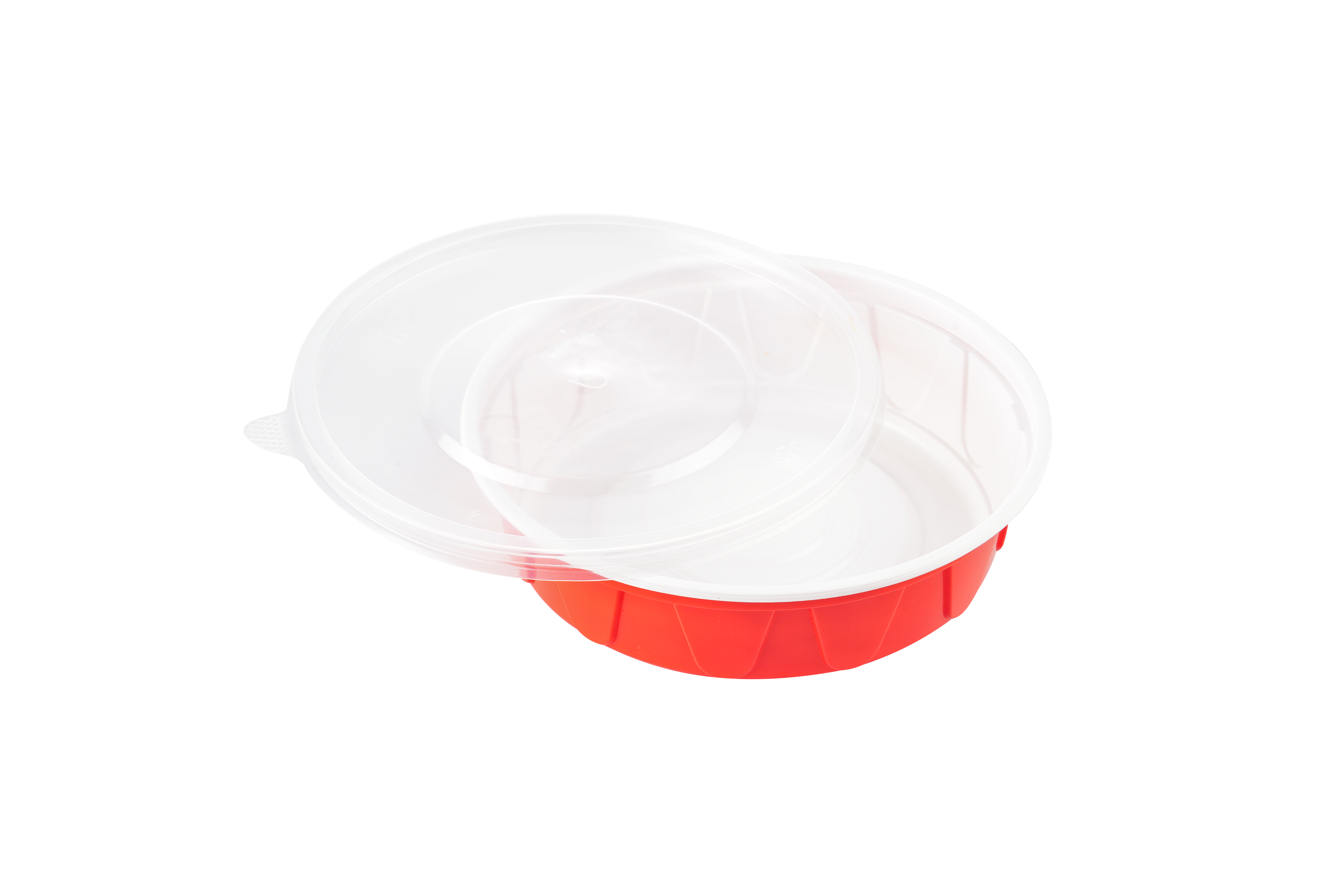
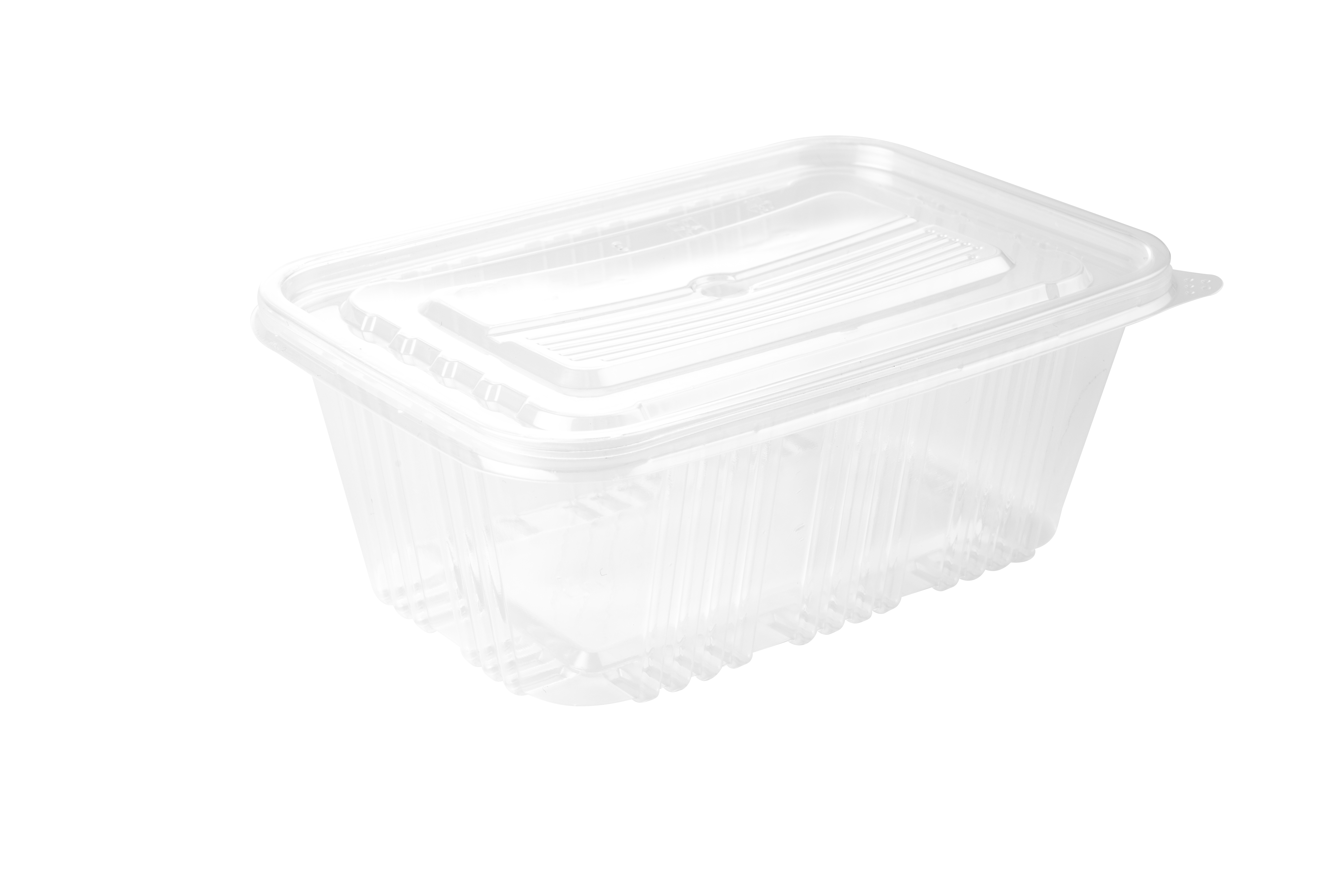
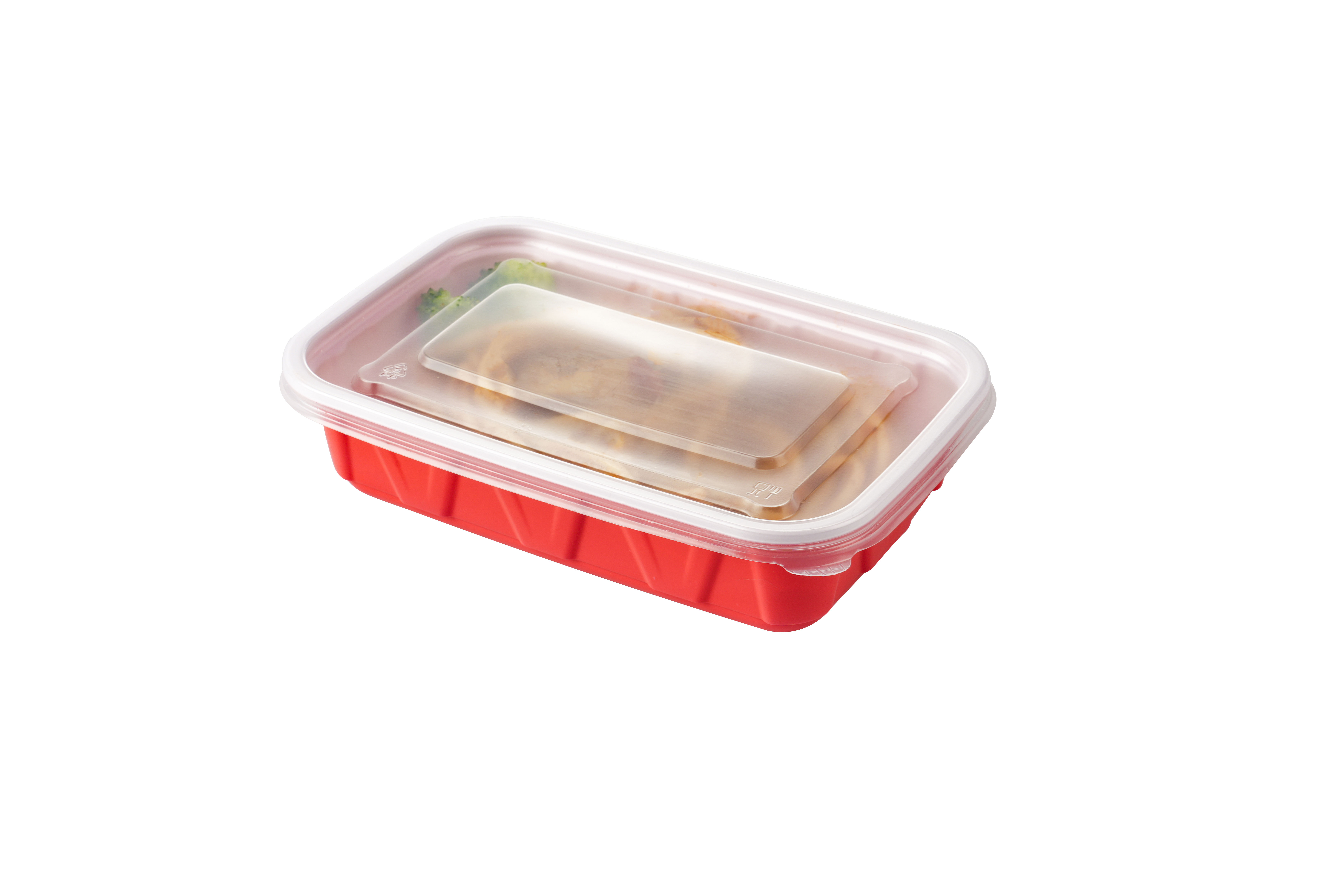
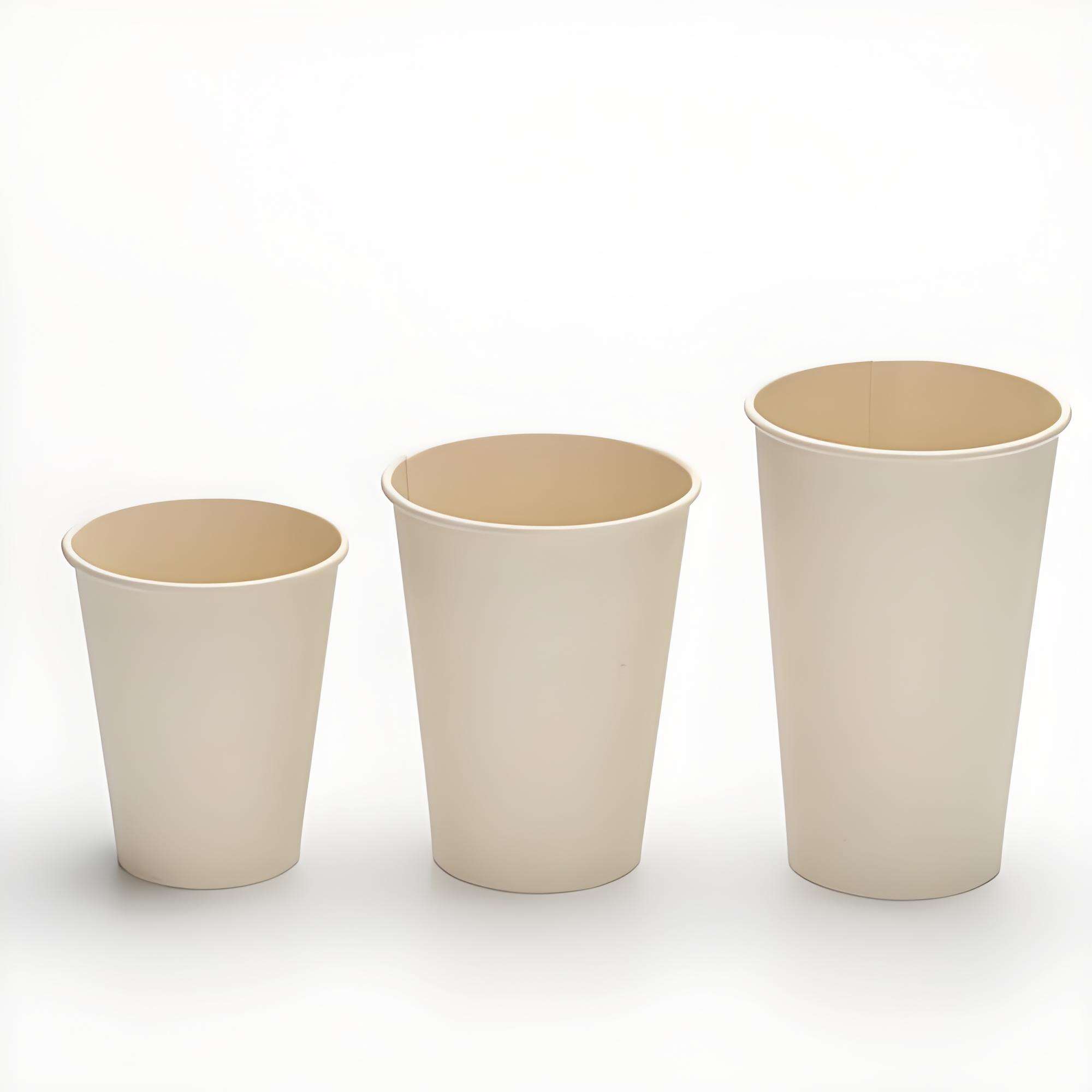
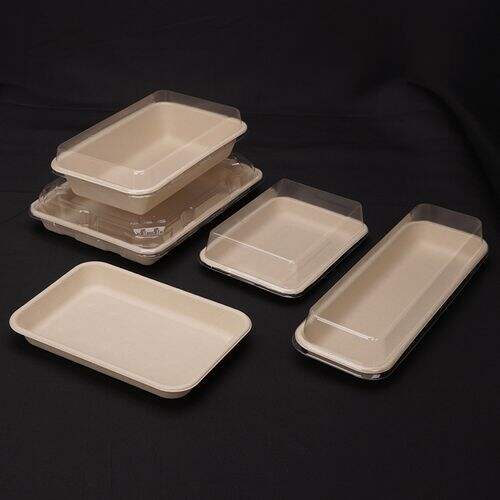
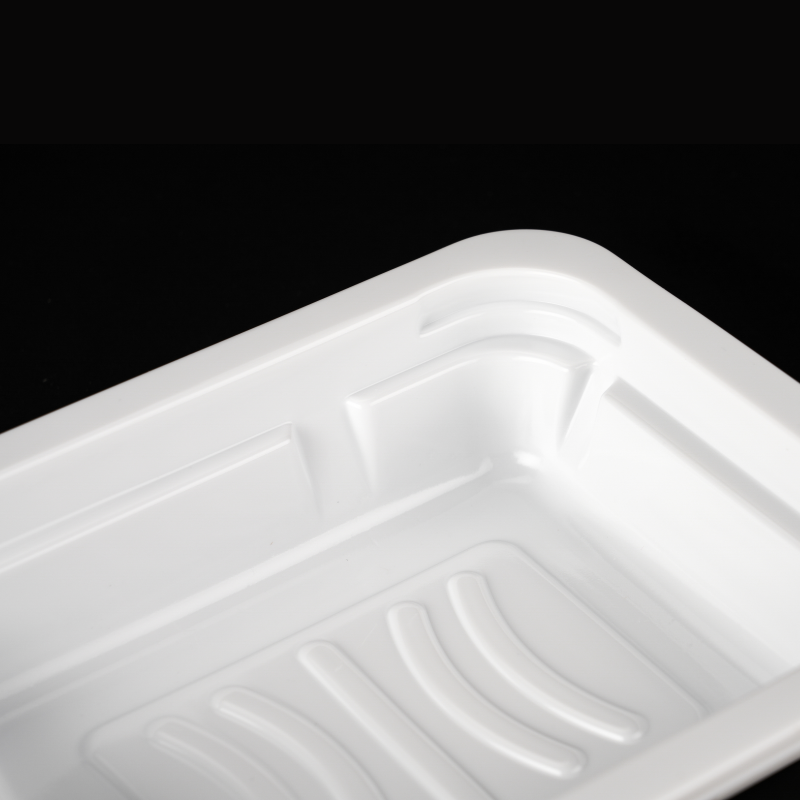
The biodegradable lunch box represents a revolutionary approach to food packaging that addresses growing environmental concerns while maintaining practical functionality for everyday use. These containers are manufactured using organic materials such as cornstarch, sugarcane bagasse, wheat straw, and other plant-based polymers that naturally decompose when exposed to specific environmental conditions. The primary function of a biodegradable lunch box extends beyond simple food storage, offering users a sustainable alternative that reduces plastic waste accumulation in landfills and oceans. Technologically, these lunch boxes incorporate advanced bio-polymer engineering that ensures structural integrity during use while maintaining the ability to break down completely within 90 to 180 days under proper composting conditions. The manufacturing process involves combining natural fibers with biodegradable binding agents, creating containers that exhibit excellent moisture resistance, temperature tolerance, and durability comparable to traditional plastic alternatives. Modern biodegradable lunch boxes feature leak-proof sealing mechanisms, compartmentalized designs for food separation, and microwave-safe properties that enhance user convenience. Applications span across various sectors including school cafeterias, corporate dining facilities, food delivery services, outdoor events, and household meal preparation. These containers accommodate hot and cold foods equally well, making them versatile solutions for diverse culinary needs. The technological innovation behind biodegradable lunch boxes includes specialized coatings derived from natural waxes and plant oils that provide grease resistance without compromising biodegradability. Manufacturing facilities utilize precision molding techniques to create uniform wall thickness and optimal strength distribution throughout each container. Quality control measures ensure consistent performance standards while maintaining environmental compliance certifications from recognized sustainability organizations.

New Product Recommendations

Biodegradable lunch boxes deliver significant environmental benefits that directly impact our planet's health and sustainability. These containers decompose naturally without leaving harmful residues, effectively eliminating the persistent pollution associated with conventional plastic food packaging. Users contribute meaningfully to waste reduction efforts by choosing biodegradable options, as each container diverts potential landfill accumulation and reduces marine ecosystem contamination. The manufacturing process of biodegradable lunch boxes generates substantially lower carbon emissions compared to petroleum-based alternatives, supporting global climate change mitigation initiatives. Cost-effectiveness emerges as another compelling advantage, particularly for businesses and institutions that face increasing waste disposal fees and environmental compliance requirements. Many biodegradable lunch boxes offer competitive pricing while providing superior insulation properties that keep foods at optimal temperatures for extended periods. Health advantages include the absence of toxic chemicals commonly found in traditional plastic containers, such as BPA, phthalates, and other endocrine-disrupting compounds that can leach into food products. Parents and health-conscious consumers appreciate the peace of mind that comes from using containers made entirely from natural, food-grade materials. Convenience features make biodegradable lunch boxes practical for busy lifestyles, with many models offering microwave compatibility for easy reheating and dishwasher-safe properties for effortless cleaning. The lightweight construction reduces transportation costs for food service businesses while maintaining structural integrity during handling and storage. Regulatory compliance becomes simplified when using certified biodegradable containers, as many jurisdictions implement stricter environmental regulations regarding single-use packaging materials. Educational institutions particularly benefit from biodegradable lunch boxes as they align with sustainability curricula and demonstrate environmental responsibility to students and parents. Corporate cafeterias enhance their environmental, social, and governance ratings by adopting biodegradable packaging solutions, potentially attracting environmentally conscious employees and customers. The versatility of biodegradable lunch boxes accommodates various food types, from liquid-based meals to dry snacks, without compromising container performance or food safety standards.

Tips And Tricks

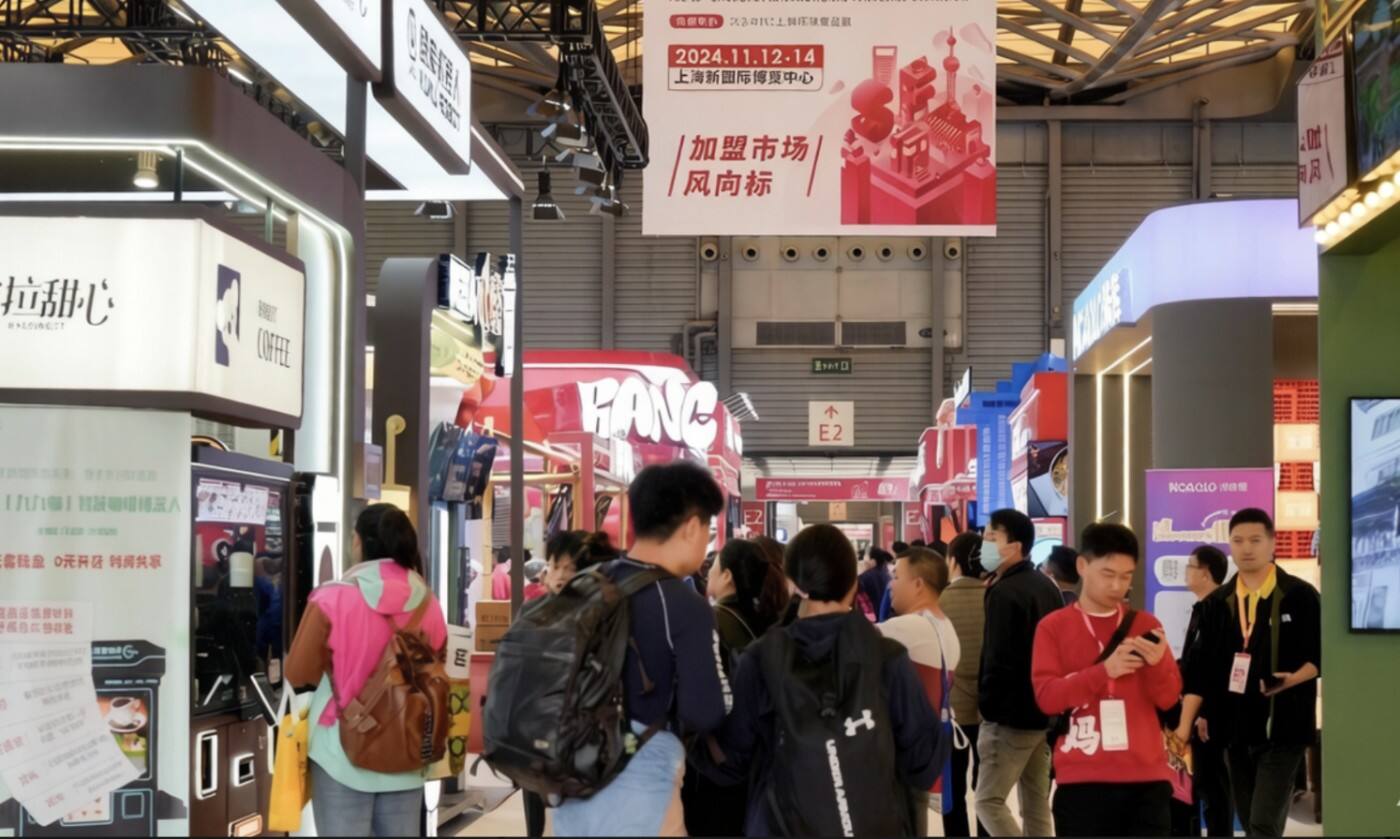
Focusing on Green Catering, Empowering the Future of Chains | Shanghai Bolooming Technology Showcases Innovative Packaging Solutions at the 40th SFE Exhibition

16

Mar

Focusing on Green Catering, Empowering the Future of Chains | Shanghai Bolooming Technology Showcases Innovative Packaging Solutions at the 40th SFE Exhibition

View More
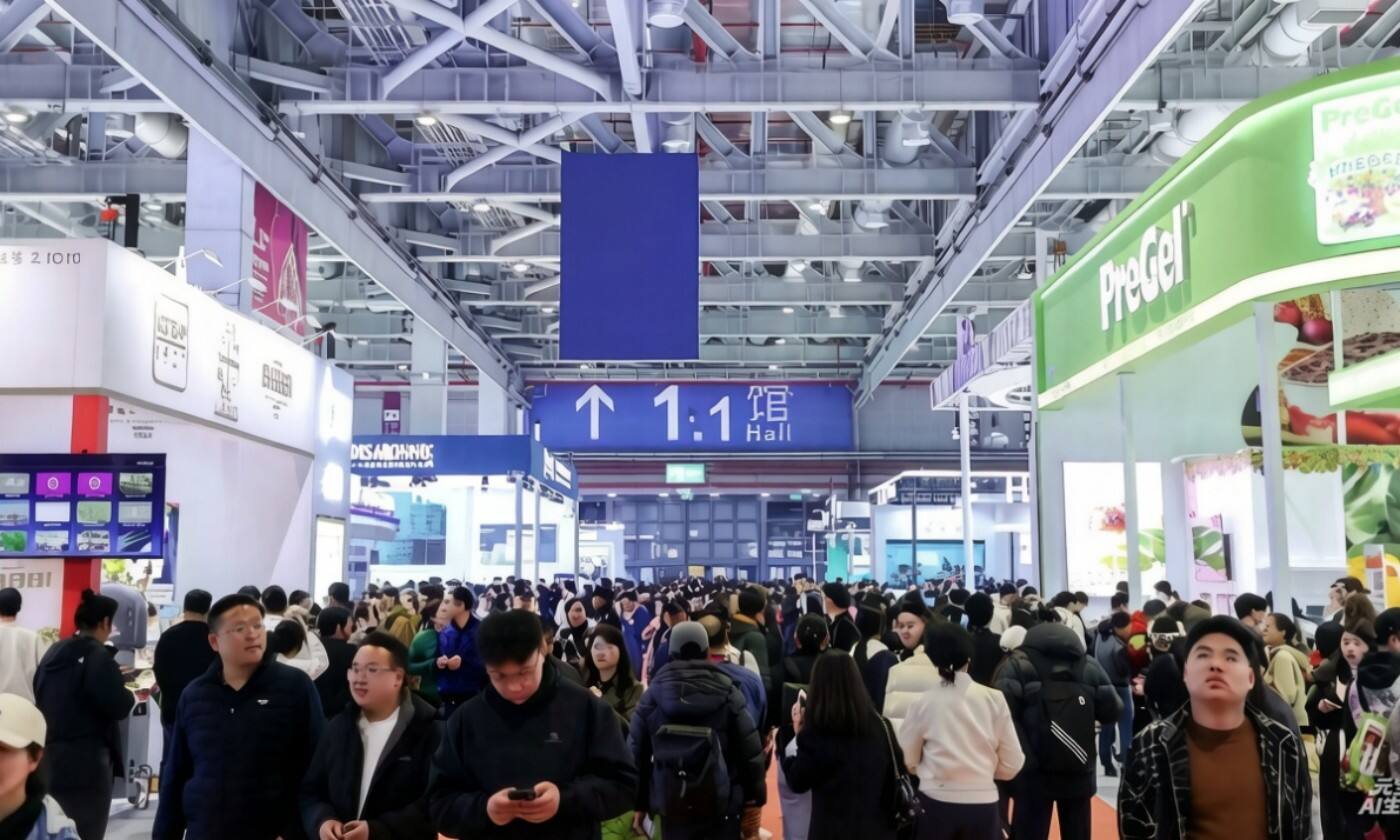
2025 Shanghai International Disposable Food Service Products Exhibition (HOTELEX SHANGHAI) to Open Grandly, Illuminating the Future of Green Catering

16

Mar

2025 Shanghai International Disposable Food Service Products Exhibition (HOTELEX SHANGHAI) to Open Grandly, Illuminating the Future of Green Catering

View More

Get a Free Quote

Our representative will contact you soon.
Email
Mobile/WhatsApp
Name
Company Name
Message
0/1000

biodegradable lunch box

Superior Environmental Impact Reduction

Superior Environmental Impact Reduction

The environmental advantages of biodegradable lunch boxes represent a transformative shift toward sustainable food packaging solutions that directly address the global plastic pollution crisis. These containers decompose completely within composting environments, typically breaking down into harmless organic matter within 90 to 180 days under optimal conditions. This rapid biodegradation process contrasts sharply with conventional plastic containers that persist in landfills for hundreds of years, continuously releasing microplastics and toxic chemicals into soil and groundwater systems. The manufacturing process of biodegradable lunch boxes utilizes renewable plant-based resources such as cornstarch, sugarcane bagasse, and wheat straw, creating a closed-loop system that supports agricultural waste utilization while reducing dependence on finite fossil fuel resources. Carbon footprint analysis reveals that biodegradable containers generate approximately 60-70% fewer greenhouse gas emissions during production compared to traditional plastic alternatives, contributing significantly to corporate and individual carbon neutrality goals. Marine ecosystem protection becomes tangible through biodegradable lunch box adoption, as these containers do not contribute to the estimated 8 million tons of plastic waste entering oceans annually. Wildlife safety improves dramatically when biodegradable materials replace conventional plastics, eliminating the risk of animal entanglement and ingestion of non-digestible materials. Soil enhancement occurs naturally as biodegradable lunch boxes decompose, releasing nutrients back into the earth rather than accumulating as persistent pollutants. Waste management systems benefit from reduced sorting requirements and lower processing costs when biodegradable containers enter composting facilities instead of traditional recycling streams. The circular economy principles embodied by biodegradable lunch boxes demonstrate how consumer choices can drive systemic environmental improvements while maintaining practical functionality for everyday food storage and transportation needs.
Advanced Material Technology and Durability

Advanced Material Technology and Durability

The technological sophistication behind modern biodegradable lunch boxes showcases remarkable engineering achievements that combine environmental responsibility with exceptional performance characteristics. Advanced bio-polymer chemistry enables these containers to match or exceed the strength, flexibility, and moisture resistance of conventional plastic alternatives while maintaining complete biodegradability under specific environmental conditions. The molecular structure of plant-based polymers used in biodegradable lunch boxes undergoes precise modification during manufacturing to optimize mechanical properties, ensuring containers can withstand typical handling stresses without compromising structural integrity. Temperature tolerance represents a critical technological achievement, with many biodegradable lunch boxes safely accommodating hot foods up to 200 degrees Fahrenheit and frozen items down to negative 20 degrees Fahrenheit without warping or cracking. Barrier technology incorporated into biodegradable lunch boxes prevents grease penetration and moisture absorption through specialized natural coatings derived from plant waxes and oils, maintaining food quality and container appearance throughout use. Manufacturing precision ensures consistent wall thickness and uniform density distribution, creating containers that exhibit reliable performance across various applications and storage conditions. Quality assurance protocols include rigorous testing for leak resistance, compression strength, and biodegradation rates under controlled laboratory conditions, guaranteeing that each biodegradable lunch box meets established performance standards. Innovative molding techniques allow for complex design features such as secure lid attachment mechanisms, divider compartments, and ergonomic handling surfaces that enhance user experience without sacrificing environmental benefits. Compatibility with existing food service equipment, including commercial dishwashers and microwave ovens, ensures seamless integration into established operational workflows. The technological advancement of biodegradable lunch boxes continues evolving through research partnerships between material scientists and environmental organizations, driving continuous improvements in performance, cost-effectiveness, and biodegradation efficiency to meet growing market demands for sustainable packaging solutions.
Versatile Applications and User Convenience

Versatile Applications and User Convenience

The versatility of biodegradable lunch boxes extends across numerous applications, making them ideal solutions for diverse user needs while maintaining consistent performance standards and environmental benefits. Educational institutions worldwide adopt biodegradable lunch boxes for student meal programs, creating opportunities to integrate environmental education with practical sustainability demonstrations that influence lifelong consumer behaviors. Corporate dining facilities utilize these containers for employee meal services, takeout options, and catered events, supporting workplace sustainability initiatives while reducing operational waste disposal costs and regulatory compliance burdens. Food delivery services increasingly specify biodegradable lunch boxes to differentiate their brands in competitive markets, appealing to environmentally conscious consumers while demonstrating corporate social responsibility commitments. Outdoor event organizers, including festivals, sporting events, and community gatherings, benefit from biodegradable containers that eliminate post-event cleanup challenges and reduce environmental impact on natural venues. Healthcare facilities adopt biodegradable lunch boxes for patient meal services and staff dining areas, supporting infection control protocols while maintaining environmental stewardship standards required by healthcare sustainability certifications. The convenience features of biodegradable lunch boxes include secure closure mechanisms that prevent spills during transportation, compartmentalized designs that maintain food separation and presentation quality, and stackable configurations that optimize storage efficiency in commercial kitchens and residential refrigerators. Microwave compatibility allows users to reheat meals directly in biodegradable containers, eliminating the need for additional dishes and reducing cleanup time and water consumption. Size variety accommodates different portion requirements, from individual snack containers to family-sized meal portions, ensuring appropriate solutions for diverse demographic needs and consumption patterns. The lightweight construction of biodegradable lunch boxes reduces shipping costs for food service distributors while minimizing storage space requirements in commercial and residential settings. User feedback consistently highlights the practical benefits of biodegradable lunch boxes, including ease of use, reliable performance, and the satisfaction derived from making environmentally responsible choices that align with personal values and corporate sustainability objectives.

Get a Free Quote

Our representative will contact you soon.
Email
Mobile/WhatsApp
Name
Company Name
Message
0/1000