 EN

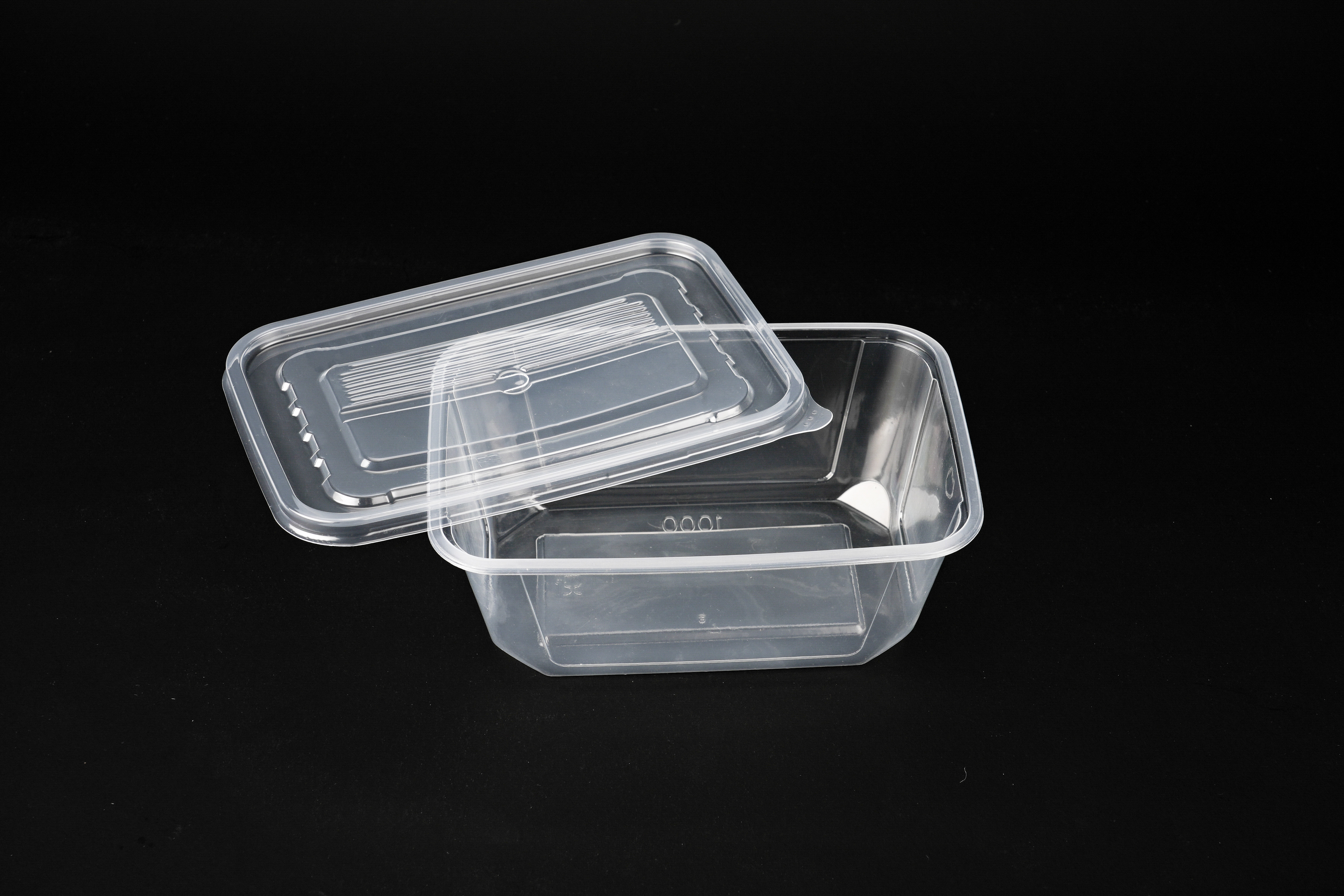
Selecting the correct rim style for your PET clear cups is a critical decision that directly impacts lid fit, product integrity, and customer satisfaction. Many beverage service operators overlook this fundamental detail, only to discover compatibility issues after ordering thousands of units. Understanding how different rim profiles interact with specific lid types ensures your PET clear cups work seamlessly within your packaging ecosystem and deliver the professional presentation your brand demands.

The relationship between rim design and lid attachment determines whether your PET clear cups maintain their seal, prevent leakage, and preserve product quality. A mismatch between cup rim geometry and lid specifications can lead to loose-fitting lids, customer complaints, and waste. This guide walks through the essential factors that influence rim selection, helping you make informed choices aligned with your operational requirements and brand standards.
Understanding PET Clear Cup Rim Profiles
Standard Rim Types and Their Characteristics
PET clear cups come in several standard rim configurations, each designed to accommodate different lid mechanisms. The most common rim styles include the straight rim, threaded rim, rolled rim, and flanged rim. Each of these designs serves a specific purpose and pairs best with particular lid types. Straight-rim PET clear cups feature a simple, uniform edge profile and work well with snap-on or friction-fit lids that rely on downward pressure for sealing. Threaded rims on PET clear cups provide mechanical engagement points, making them ideal for screw-on lids that require rotational fastening. Rolled rims on PET clear cups offer enhanced durability and a finished appearance while supporting both snap-on and threaded lid applications. Flanged rims feature an outward extension that provides a wider surface for lid support, commonly used with hinged or specialized locking lids on premium PET clear cups.
How Rim Geometry Affects Lid Performance
The precise dimensions and angles of your PET clear cups' rim directly influence how securely a lid seats and maintains its seal over time. Lids designed for specific rim profiles rely on exact contact points to create an effective barrier against leakage, evaporation, and contamination. If you select PET clear cups with a rim profile that doesn't match your chosen lid specifications, the lid may sit too loosely, allowing air exchange that compromises product freshness. Conversely, forcing an incompatible lid onto PET clear cups with the wrong rim style can crack the cup edge or damage the lid mechanism. The wall thickness near the rim, the radius of curvature, and the horizontal ledge depth all contribute to how your PET clear cups perform in real-world service conditions. Understanding these geometric nuances helps you avoid costly mistakes and ensures consistent quality across your entire cup inventory.
Matching Rim Styles to Common Lid Types
Snap-On and Friction-Fit Lids
Snap-on lids represent one of the most popular lid choices for cold beverage service, and they demand specific rim characteristics in your PET clear cups. These lids work by creating interference fit with the cup rim, relying on spring tension and downward pressure to maintain their position. For PET clear cups used with snap-on lids, a straight or slightly rolled rim with consistent diameter ensures proper lid engagement. The rim must have sufficient rigidity to resist deformation under the downward force exerted by the lid's locking tabs. If your PET clear cups have a rim that is too thin, too tapered, or inconsistently molded, snap-on lids will slide off easily or fail to seal reliably. Testing the fit between your chosen PET clear cups and sample lids before full-scale production is essential for validating this critical relationship.
Threaded and Screw-On Lids
Screw-on lid systems demand threaded rim profiles specifically engineered into your PET clear cups for proper function. These lids rotate onto the rim, and the threads must align precisely for smooth operation and leak-free performance. PET clear cups designed for threaded lids feature specially molded helical ridges that guide the lid into place and create mechanical lock points. The thread pitch, depth, and angle must match your lid specifications exactly, as even minor variations in thread geometry on your PET clear cups can cause cross-threading or loose sealing. Premium applications often favor threaded PET clear cups because they provide superior security and professional appearance compared to snap-on alternatives. If you operate a beverage service where cup displacement or rough handling is common, the mechanical engagement offered by threaded lids on appropriately designed PET clear cups adds significant value.
Hinged and Specialty Lids
Hinged lids, dome lids, and other specialty lid designs typically require flanged or reinforced rim profiles on your PET clear cups. These premium lid systems often include attached straws, wide opening areas, or integrated compartments that generate additional stress on the cup rim. PET clear cups designated for hinged lid applications must feature a robust flanged rim that extends outward, providing a broad mounting surface for the lid's attachment hardware. The structural integrity of your PET clear cups becomes even more critical in these scenarios, as the lid mechanism places leverage forces on the rim during opening and closing cycles. Specialty applications such as boba tea or multi-compartment beverage service rely on PET clear cups with specifically engineered rim designs that accommodate larger-diameter lids and more complex attachment mechanisms.
Critical Factors in Rim Selection Decision-Making
Evaluating Lid Supplier Specifications
Before finalizing your PET clear cups selection, obtain detailed rim compatibility specifications from your lid supplier. Reputable lid manufacturers provide technical datasheets that specify the exact rim profile, diameter, height, and material requirements for their lids. Cross-reference these specifications against the rim design of your candidate PET clear cups to verify compatibility. Many production delays and quality issues stem from purchasing PET clear cups without confirming their rim specifications match lid requirements. Request sample kits from both cup and lid suppliers, and conduct physical compatibility testing under conditions that mirror your actual service environment. Temperature cycling, pressure testing, and repeated use simulations help reveal whether your chosen PET clear cups will perform reliably in the field. Documentation of this testing process also protects your business if compatibility issues arise after deployment.
Production Volume and Tooling Considerations
The rim profile you select for your PET clear cups directly affects tooling costs and production efficiency at the manufacturer level. Custom or non-standard rim designs on PET clear cups may require expensive mold modifications or entirely new tooling, increasing per-unit costs significantly. Standard rim profiles for PET clear cups typically cost less to produce and offer faster lead times because manufacturers maintain existing equipment configurations. For high-volume beverage operations, slight increases in per-unit cup costs might be offset by improved operational reliability and reduced waste from lid incompatibility issues. Understanding the production trade-offs associated with different rim profiles helps you balance cost efficiency with performance requirements when sourcing PET clear cups.
Brand Presentation and Differentiation
Your choice of rim style for PET clear cups contributes significantly to your product's visual presentation and brand perception. Rolled or flanged rims on PET clear cups present a more refined, finished appearance than basic straight rims, which may justify premium positioning. The clarity and transparency of PET clear cups allow the rim profile to remain visible to consumers, making it a subtle but real element of brand expression. Specialty rim designs or custom modifications to your PET clear cups can become part of your unique brand identity, differentiating your offering in competitive markets. However, custom modifications to rim profiles on PET clear cups typically require minimum order quantities and longer lead times, so ensure your volume commitments and timelines align with these requirements.
FAQ
What happens if my lid doesn't fit the rim style of my PET clear cups?
If your lid doesn't match your PET clear cups' rim profile, the lid will either sit too loosely, allowing leakage and product deterioration, or create excessive friction that damages both the lid and cup. Incompatible combinations result in failed seals, customer complaints, and potential product loss. Always verify rim compatibility before purchasing bulk quantities of PET clear cups.
Can I use different rim styles across my PET clear cups line?
While technically possible, using multiple rim styles across your PET clear cups inventory complicates purchasing, storage, and operational procedures. Maintaining separate inventory streams for different PET clear cups rim profiles increases complexity and risk of cross-contamination or lid mismatch errors. Standardizing on one or two compatible PET clear cups and lid combinations simplifies operations and reduces mistakes.
How do I test compatibility between my PET clear cups and lids before full production?
Request sample kits from both your PET clear cups supplier and lid manufacturer, then conduct physical testing including leak tests, temperature cycling, and repeated use simulations. Document all compatibility findings and retain samples as reference standards for quality control verification during ongoing production runs.