 EN


The material composition of cold coffee cups plays a fundamental role in determining their overall environmental footprint, influencing everything from production emissions to end-of-life disposal pathways. Every day, millions of cold coffee cups end up in landfills, oceans, and waste streams globally, making the choice of material critically important for businesses and consumers seeking to reduce their ecological impact. Understanding how different cold coffee cups materials affect environmental outcomes is essential for making informed purchasing decisions and adopting sustainable beverage service practices in your operation.
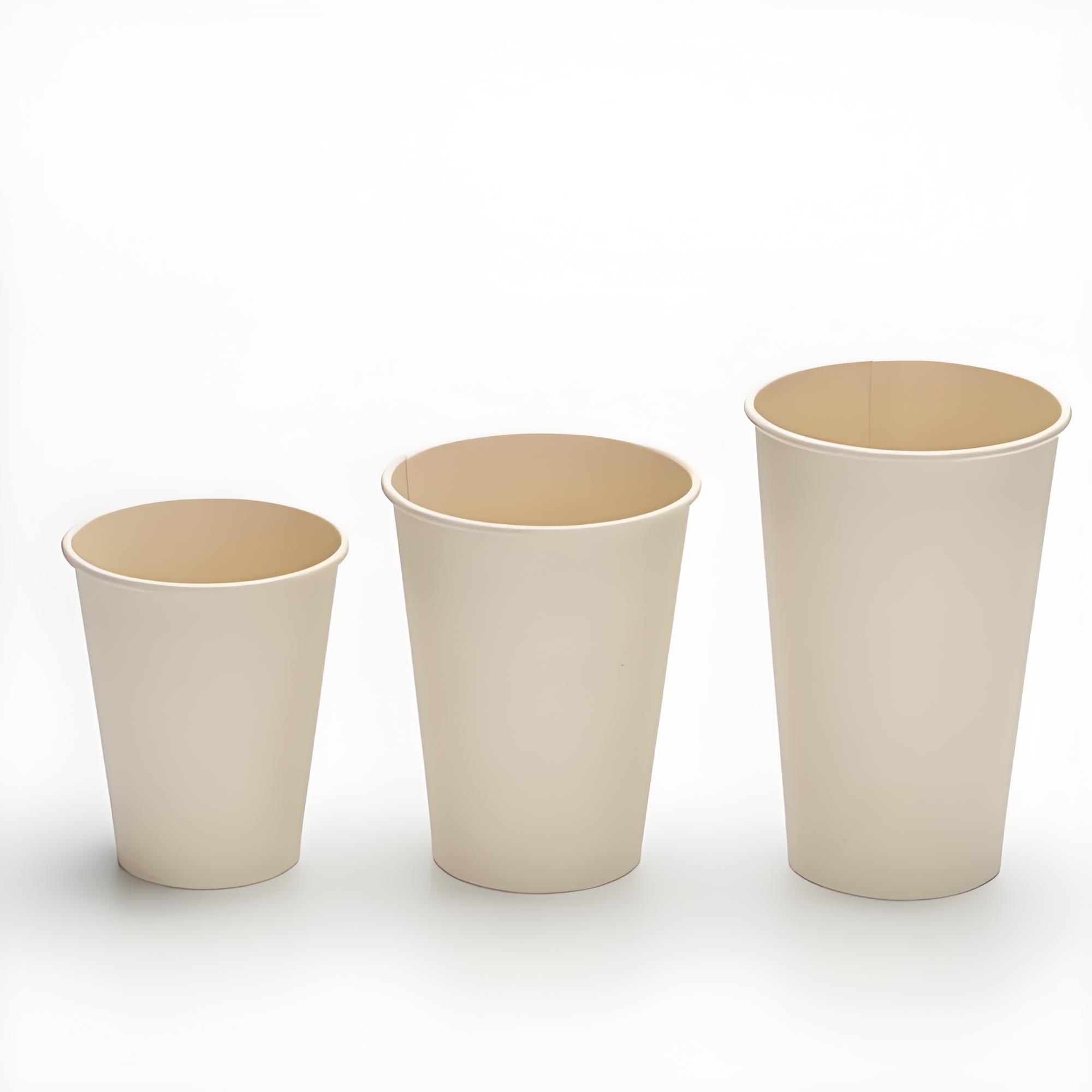
The environmental impact of cold coffee cups extends far beyond the moment of use, encompassing raw material extraction, manufacturing processes, transportation, consumer usage, and final disposal or recycling. Different materials used in cold coffee cups create vastly different ecological consequences at each lifecycle stage, with some offering clear advantages while others present hidden environmental costs. By examining the complete lifecycle of cold coffee cups, you can identify which material options align best with your sustainability goals and regulatory requirements.
Raw Material Extraction and Manufacturing Impact of Cold Coffee Cups
Petroleum-Based Plastic Cold Coffee Cups
Conventional plastic cold coffee cups derive from virgin petroleum, requiring extensive extraction, refining, and polymerization processes that consume significant fossil fuel energy and generate carbon emissions. The production of plastic cold coffee cups typically involves high-temperature processing, chemical treatments, and energy-intensive machinery, all contributing to their substantial manufacturing carbon footprint. Additionally, the extraction phase of petroleum for plastic cold coffee cups disrupts ecosystems, generates hazardous waste, and depletes non-renewable resources that took millions of years to form underground.
Biodegradable and Compostable Cold Coffee Cups Materials
Bioplastic cold coffee cups made from polylactic acid (PLA) or other plant-based polymers offer a lower initial carbon footprint compared to petroleum plastics, as they derive from renewable agricultural resources like corn or sugarcane. However, cold coffee cups manufactured from these materials still require agricultural land, water, pesticides, and processing energy, though generally less than traditional plastic cold coffee cups. The manufacturing of cold coffee cups from bioplastics generates fewer direct fossil fuel emissions, but the agricultural phase of producing cold coffee cups materials can create environmental pressures through land-use changes and input requirements.
Lifecycle Degradation and Disposal Pathways for Cold Coffee Cups
Persistence of Traditional Plastic Cold Coffee Cups
Standard polypropylene and polystyrene cold coffee cups persist in the environment for hundreds of years, breaking down into microplastics that contaminate soil, waterways, and wildlife systems with long-term ecological consequences. When cold coffee cups made from conventional plastics enter ocean ecosystems, they fragment into microplastics that accumulate in marine food chains and eventually reach human consumption through seafood and drinking water. The persistence factor makes plastic cold coffee cups one of the most problematic material choices from an environmental perspective, as their environmental impact continues for centuries after disposal.
Compostable Cold Coffee Cups and Industrial Infrastructure Requirements
Compostable cold coffee cups require specific industrial composting conditions involving controlled temperature, humidity, and microbial activity that may not exist in all geographic regions, meaning many cold coffee cups end up in landfills where they decompose anaerobically and generate methane. Even in regions with adequate composting infrastructure, contamination from non-compostable cold coffee cups materials can compromise entire batches, and consumer confusion frequently results in compostable cold coffee cups being placed in recycling or landfill streams. The environmental benefit of cold coffee cups marketed as compostable depends entirely on infrastructure availability, making claims about cold coffee cups sustainability region-specific and contingent on proper sorting systems.
Transportation, Reusability, and Long-Term Environmental Considerations for Cold Coffee Cups
Weight and Shipping Carbon Footprint of Cold Coffee Cups
Heavier cold coffee cups materials like glass or thick-walled ceramics increase transportation emissions per unit, as shipping volume and weight directly correlate with fuel consumption across supply chains for cold coffee cups. Lightweight plastic cold coffee cups paradoxically reduce transportation emissions compared to alternatives, though this advantage diminishes when considering the upstream fossil fuel extraction required for plastic cold coffee cups production. Optimizing the environmental impact of cold coffee cups requires balancing material weight against the embodied carbon already invested in their manufacture and end-of-life processing capabilities.
Reusable Systems as Superior Environmental Solutions
Durable reusable cold coffee cups can offset their heavier production footprint after approximately 50 to 100 uses compared to single-use cold coffee cups, depending on material composition and manufacturing methods, making reusable cold coffee cups an increasingly attractive option for high-volume beverage operations. The environmental advantage of reusable cold coffee cups compounds over years of service, as each replacement cycle avoided prevents the extraction, manufacturing, and disposal impacts associated with single-use cold coffee cups. Organizations seeking to minimize environmental impact from cold coffee cups increasingly recognize that investing in quality reusable cold coffee cups programs delivers superior lifecycle environmental outcomes compared to optimizing single-use cold coffee cups materials alone.
FAQ
Which material produces the lowest environmental footprint for cold coffee cups?
Reusable cold coffee cups made from durable stainless steel or glass deliver the lowest environmental footprint per serving when used repeatedly over years, though if considering single-use cold coffee cups exclusively, plant-based bioplastic options like cold coffee cups made from PLA offer better environmental performance than petroleum-derived plastics during manufacturing and disposal phases. The actual environmental ranking depends on calculating complete lifecycle impacts including production, transportation, use phases, and end-of-life processing specific to your region's infrastructure and operational context.
Are compostable cold coffee cups genuinely better for the environment than plastic alternatives?
Compostable cold coffee cups demonstrate environmental advantages primarily when adequate industrial composting infrastructure exists and proper sorting systems divert them away from landfills, conditions that remain inconsistent across most regions globally. Without access to industrial composting facilities, compostable cold coffee cups decompose in landfills producing methane emissions similar to conventional plastics, negating their theoretical environmental benefits. Effectiveness of compostable cold coffee cups as an environmental solution requires regional infrastructure alignment and consumer education to ensure proper sorting and processing of these specialized materials.
How can businesses reduce environmental impact from their cold coffee cups programs?
Businesses can minimize environmental impact from cold coffee cups by implementing reusable cup programs with customer incentives, transitioning to compostable materials only in regions with verified composting infrastructure, and reducing cold coffee cups consumption through education and alternative beverage formats. Strategic partnerships with waste management providers to verify proper processing of cold coffee cups, combined with supply chain optimization to minimize transportation emissions of cold coffee cups, create comprehensive environmental responsibility frameworks. Combining material improvements with operational changes that reduce cold coffee cups volume consumed and enhance product durability delivers far superior environmental outcomes compared to optimizing material selection alone.