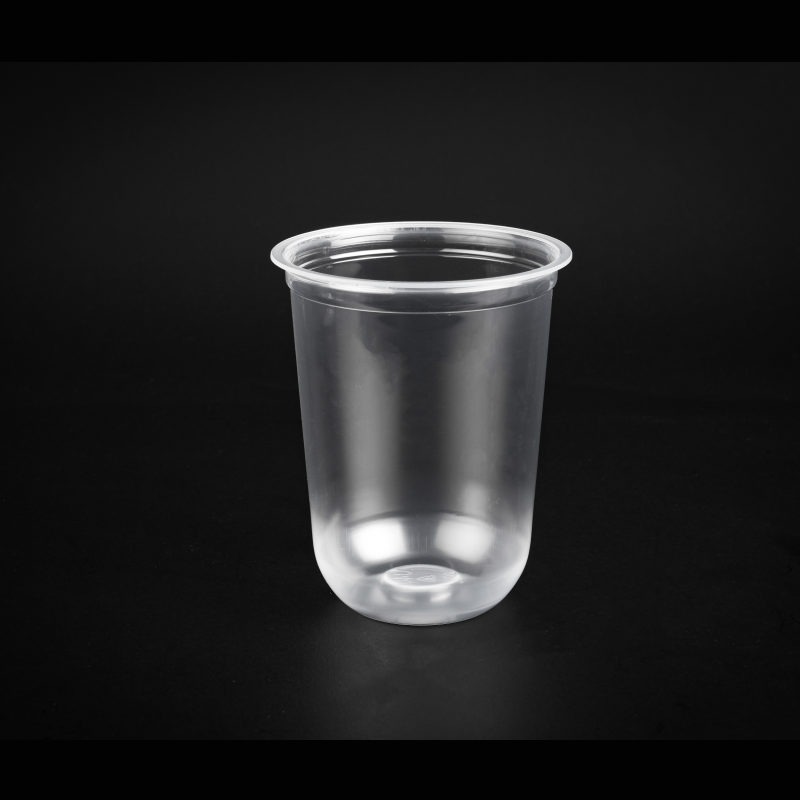
Eco-Friendly Biodegradable Salad Bowls - Sustainable Food Packaging Solutions

Contact me immediately if you encounter problems!

All Categories

Get a Free Quote

Our representative will contact you soon.
Email
Mobile/WhatsApp
Name
Company Name
Message
0/1000

biodegradable salad bowls

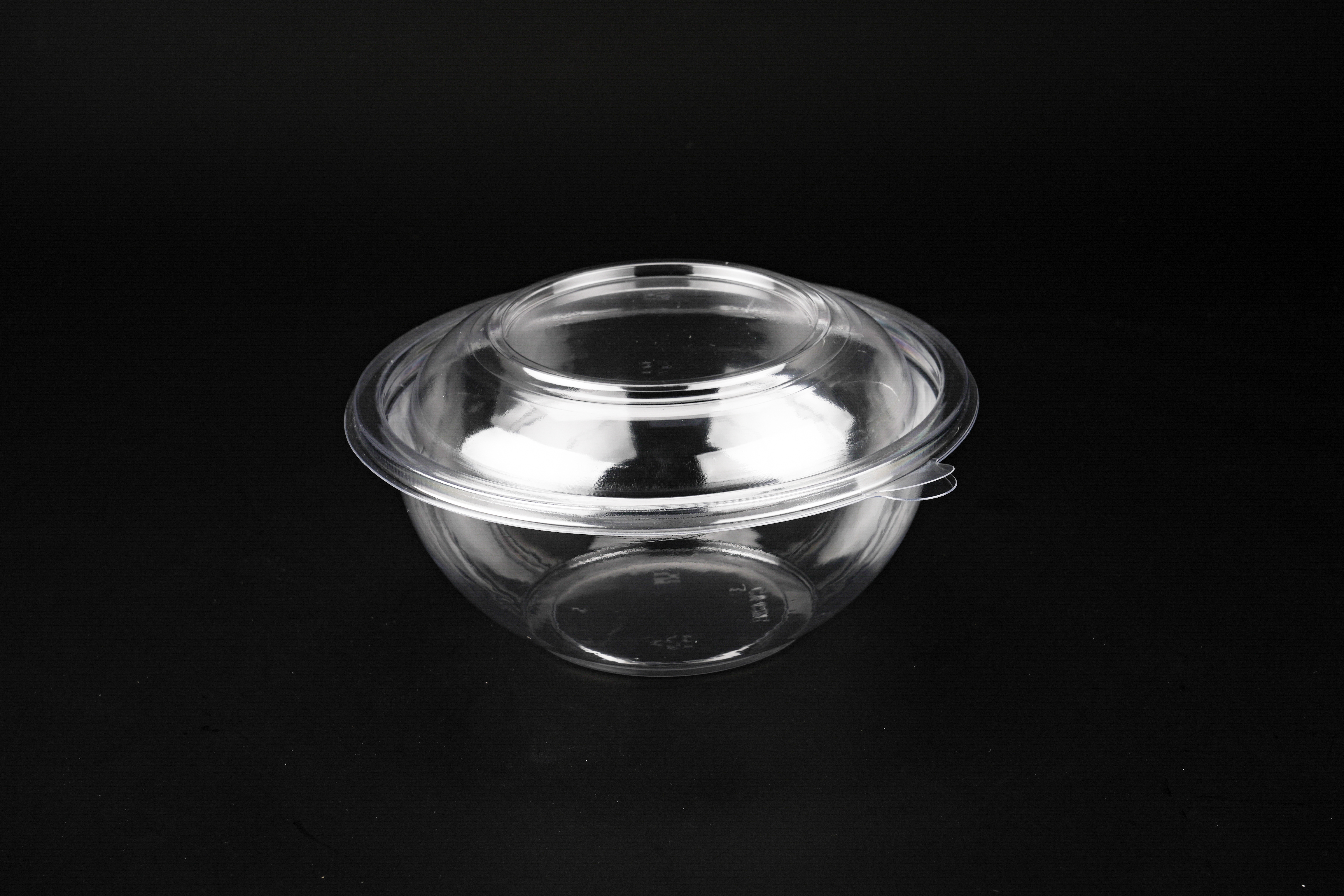
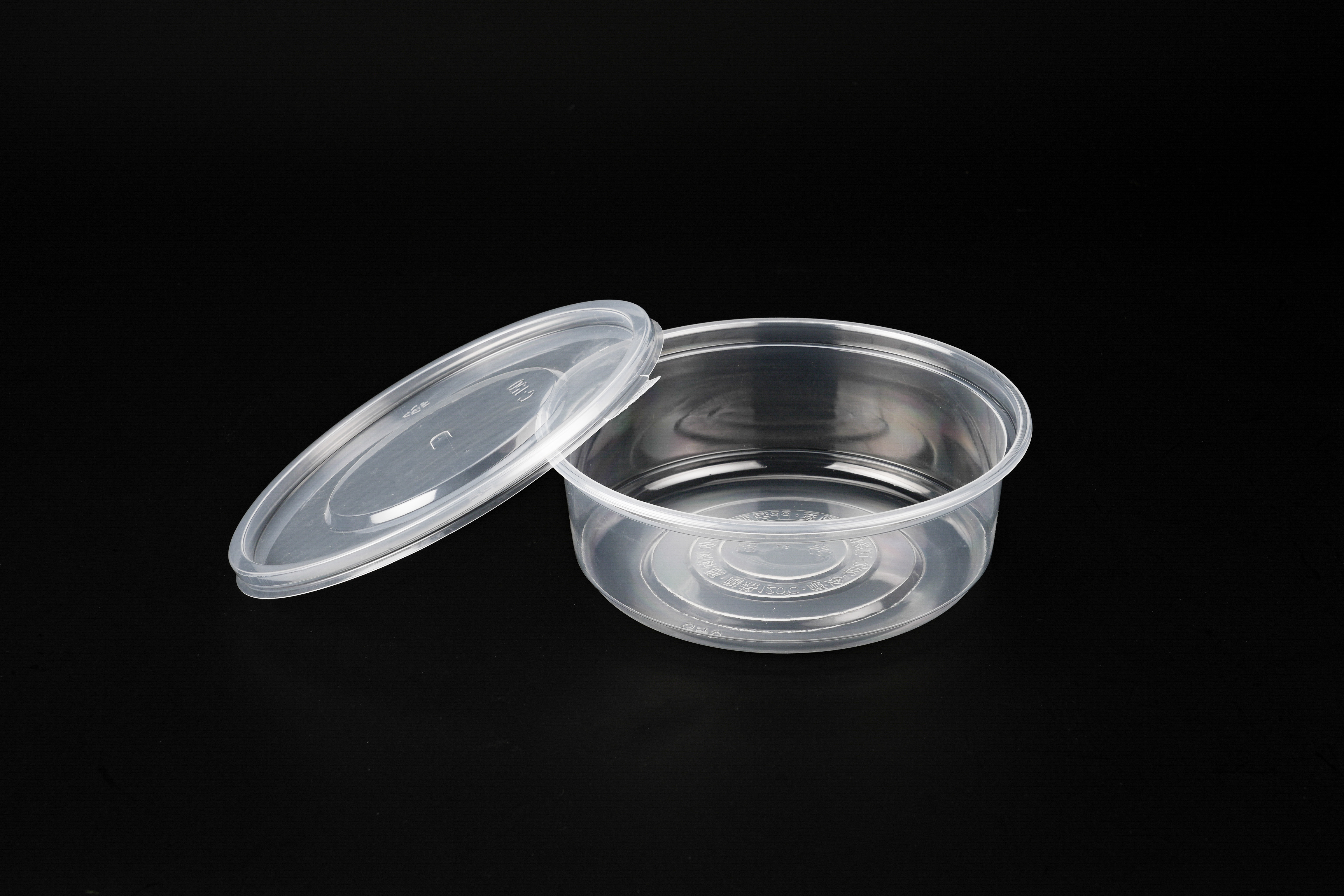
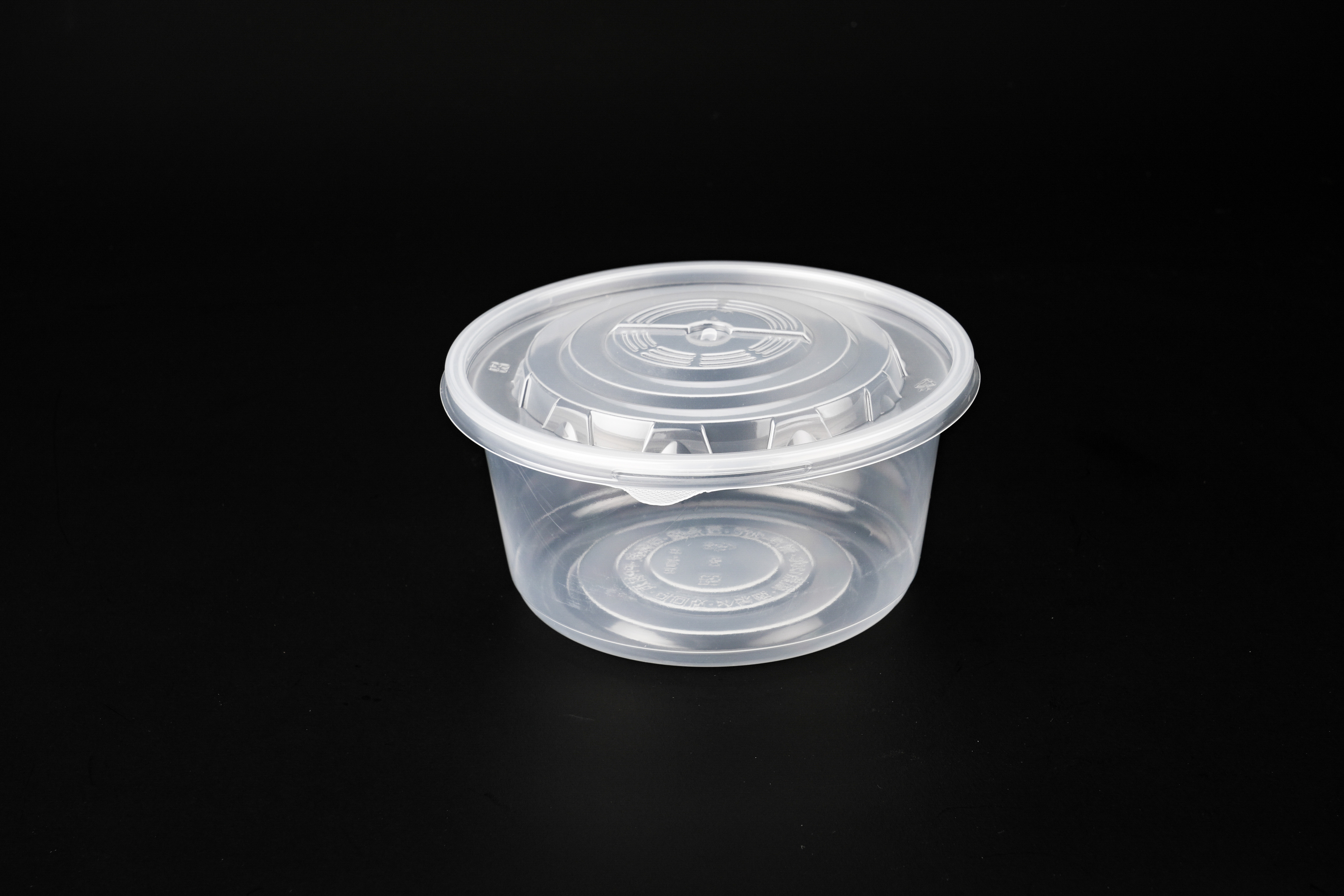
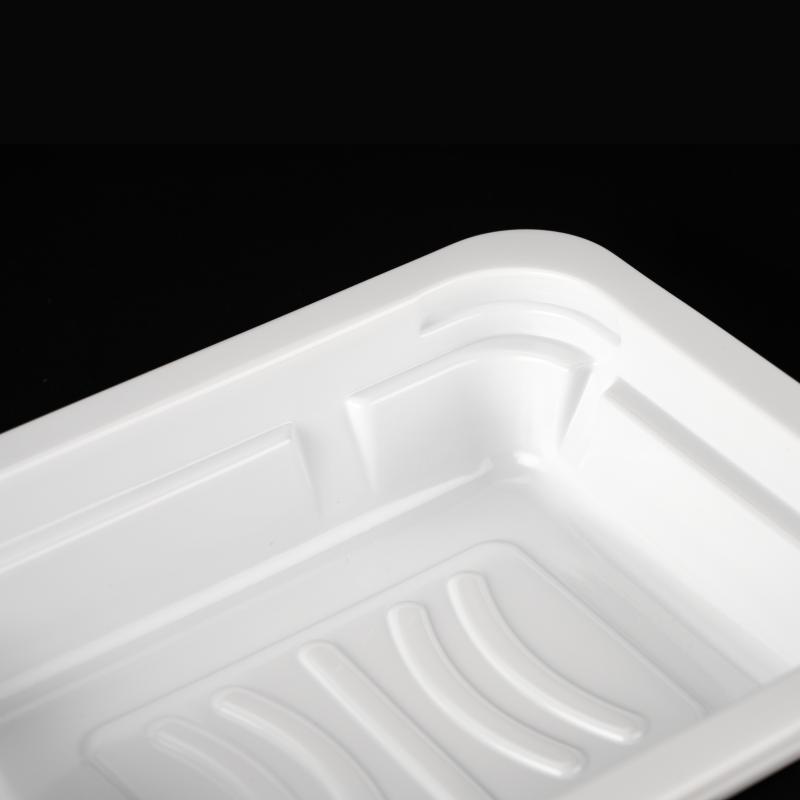
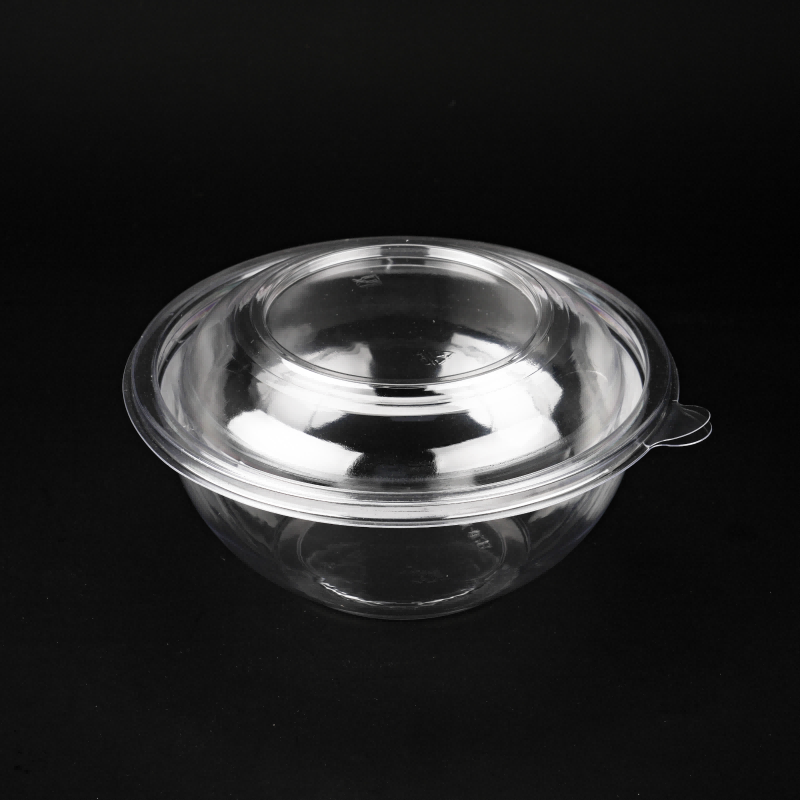
Biodegradable salad bowls represent a revolutionary advancement in sustainable food packaging technology, offering environmentally conscious consumers and businesses an eco-friendly alternative to traditional plastic containers. These innovative bowls are manufactured using organic materials such as bamboo fiber, wheat straw, sugarcane bagasse, and corn starch derivatives, which naturally decompose within months rather than persisting in landfills for centuries. The primary function of biodegradable salad bowls centers on providing secure, leak-resistant food containment while maintaining optimal freshness and presentation standards. Their technological features include advanced moisture barrier coatings derived from plant-based polymers, ensuring contents remain crisp and appetizing throughout storage and transportation periods. The manufacturing process incorporates specialized compression molding techniques that create sturdy, lightweight containers capable of withstanding temperature variations from refrigeration to room temperature service. These bowls demonstrate remarkable versatility across numerous applications including restaurant takeout services, corporate catering events, school lunch programs, outdoor festivals, and home meal preparation. Food service establishments particularly value their professional appearance and reliable performance during peak service periods. The bowls feature ergonomic designs with smooth edges for comfortable handling and stackable configurations that optimize storage space efficiency. Their natural composition eliminates concerns about harmful chemical leaching commonly associated with conventional plastic containers, making them ideal for direct food contact applications. Retail grocery chains increasingly adopt these containers for pre-packaged salad displays, deli counter services, and prepared meal sections. The production technology ensures consistent sizing standards that accommodate automated packaging equipment while maintaining cost-effectiveness for high-volume operations. Educational institutions embrace these sustainable alternatives as part of comprehensive environmental stewardship programs, demonstrating commitment to reducing campus waste streams. Hospitality venues utilize biodegradable salad bowls for room service presentations, buffet stations, and special event catering where environmental responsibility aligns with brand values and guest expectations for sustainable practices.

New Products

Biodegradable salad bowls deliver significant environmental benefits that directly translate into practical advantages for consumers, businesses, and communities worldwide. These containers reduce landfill accumulation by completely decomposing within six to twelve months under proper composting conditions, unlike conventional plastic bowls that persist for hundreds of years. This rapid biodegradation process eliminates long-term waste management costs for municipalities while supporting circular economy principles that benefit entire communities. Businesses using biodegradable salad bowls enhance their corporate sustainability profiles, attracting environmentally conscious customers who increasingly prioritize eco-friendly purchasing decisions. This competitive advantage translates into improved brand loyalty, positive customer reviews, and increased market share among demographic segments that value environmental responsibility. The manufacturing materials used in biodegradable salad bowls are renewable resources that support agricultural economies and reduce dependence on petroleum-based plastics. This sustainable sourcing approach helps stabilize raw material costs over time while supporting farming communities that grow bamboo, wheat, and sugarcane crops. Food safety represents another crucial advantage, as these bowls contain no harmful chemicals like BPA, phthalates, or other synthetic additives commonly found in traditional plastic containers. This chemical-free composition ensures that food flavors remain pure and uncontaminated, providing peace of mind for health-conscious consumers and parents serving meals to children. The natural materials also resist odor absorption, maintaining freshness and preventing flavor transfer between different food items stored in the same containers. Operational efficiency benefits include lightweight construction that reduces shipping costs and storage space requirements, allowing businesses to optimize logistics and inventory management systems. The bowls stack efficiently for transport and storage, maximizing truck capacity and reducing fuel consumption during distribution. Their durability withstands normal handling and transportation stresses without cracking or breaking, reducing replacement costs and customer complaints. Temperature resistance allows safe use in various serving conditions, from chilled salads to warm grain bowls, expanding menu versatility for food service operators. Cost competitiveness has improved significantly as production scales increase, making biodegradable salad bowls increasingly affordable compared to traditional alternatives while delivering superior environmental and health benefits.

Latest News

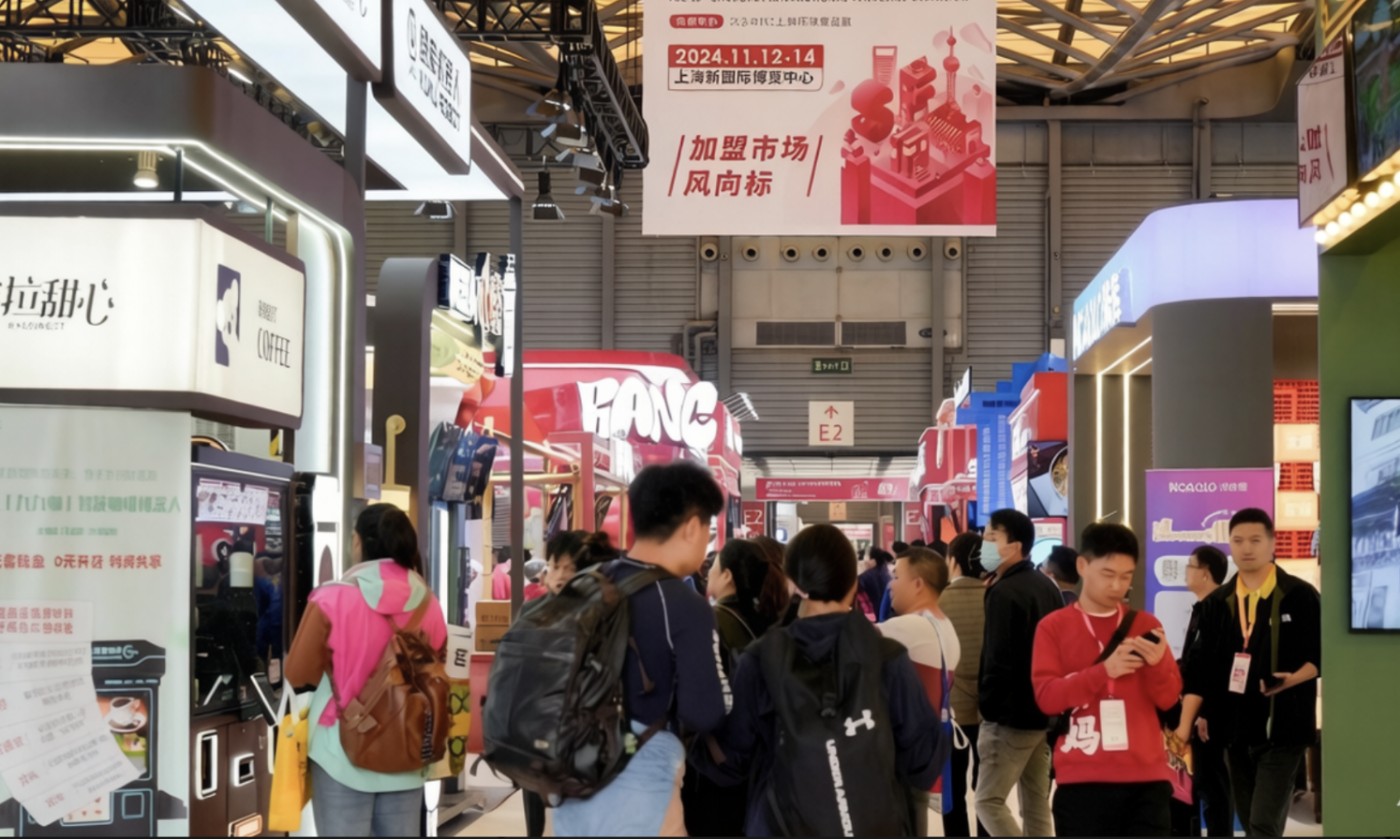
Focusing on Green Catering, Empowering the Future of Chains | Shanghai Bolooming Technology Showcases Innovative Packaging Solutions at the 40th SFE Exhibition

16

Mar

Focusing on Green Catering, Empowering the Future of Chains | Shanghai Bolooming Technology Showcases Innovative Packaging Solutions at the 40th SFE Exhibition

View More
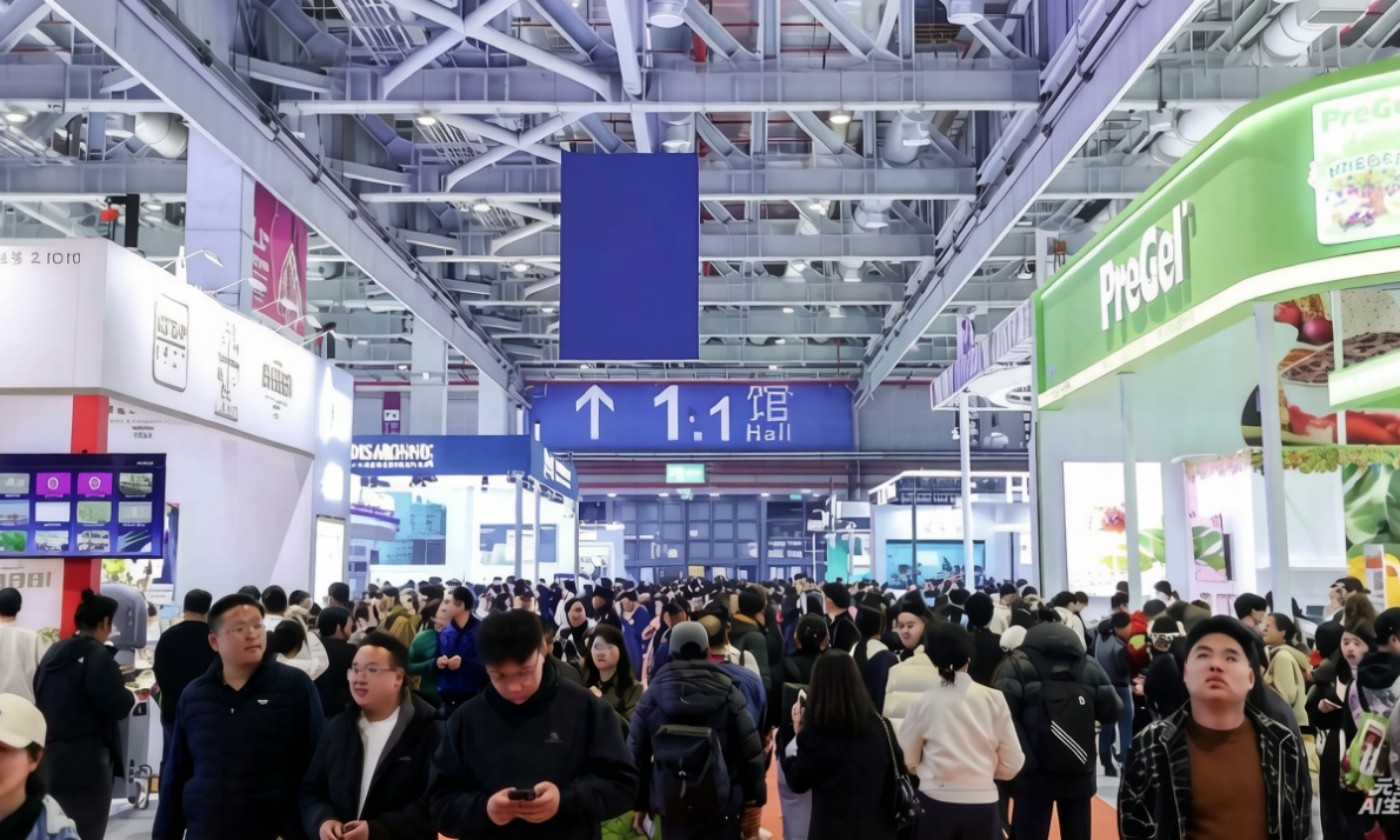
2025 Shanghai International Disposable Food Service Products Exhibition (HOTELEX SHANGHAI) to Open Grandly, Illuminating the Future of Green Catering

16

Mar

2025 Shanghai International Disposable Food Service Products Exhibition (HOTELEX SHANGHAI) to Open Grandly, Illuminating the Future of Green Catering

View More

Get a Free Quote

Our representative will contact you soon.
Email
Mobile/WhatsApp
Name
Company Name
Message
0/1000

biodegradable salad bowls

Superior Environmental Impact and Composting Capabilities

Superior Environmental Impact and Composting Capabilities

The environmental impact advantages of biodegradable salad bowls represent their most compelling selling point, offering measurable benefits that extend far beyond traditional waste reduction approaches. These innovative containers decompose completely within six to twelve months when placed in commercial composting facilities or properly maintained home compost systems, leaving behind nutrient-rich organic matter that enhances soil fertility rather than contributing to environmental pollution. The composition materials, including bamboo fiber, wheat straw, and sugarcane bagasse, break down through natural biological processes without releasing toxic compounds or microplastics that contaminate water systems and harm marine ecosystems. This stands in stark contrast to conventional plastic bowls, which fragment into microscopic particles that persist in food chains and accumulate in oceanic environments for centuries. Businesses adopting biodegradable salad bowls can quantify their environmental contributions through measurable metrics such as reduced carbon footprint calculations, decreased landfill diversion rates, and lower overall packaging waste generation. These sustainability metrics provide valuable data for corporate environmental reporting requirements and help organizations achieve green certification standards that enhance market positioning and regulatory compliance. The renewable resource base supporting biodegradable bowl production creates positive agricultural impacts by incentivizing sustainable farming practices and supporting rural economies that cultivate bamboo forests and harvest agricultural byproducts. This circular economy approach transforms waste materials like wheat chaff and sugarcane pulp into valuable packaging products, reducing agricultural burning practices that contribute to air pollution while creating additional revenue streams for farming communities. Environmental certifications from recognized organizations such as the Biodegradable Products Institute and ASTM International provide third-party validation of decomposition claims, giving consumers confidence in their purchasing decisions and enabling businesses to substantiate environmental marketing claims. The manufacturing processes used for biodegradable salad bowls require significantly less energy and water compared to petroleum-based plastic production, further reducing their overall environmental footprint while supporting sustainable industrial practices that align with global climate change mitigation efforts.
Advanced Food Safety and Health Protection Features

Advanced Food Safety and Health Protection Features

Biodegradable salad bowls prioritize consumer health protection through advanced material technologies that eliminate harmful chemical exposure risks while maintaining superior food preservation capabilities. These containers are manufactured without toxic additives such as bisphenol A, phthalates, styrene, or other synthetic compounds commonly found in traditional plastic food packaging that can migrate into consumable contents over time. The natural fiber composition creates a chemical-free barrier that preserves original food flavors and nutritional content without introducing artificial tastes or odors that compromise dining experiences. This chemical-free advantage particularly benefits sensitive populations including children, pregnant women, and individuals with chemical sensitivities who require safer food contact materials for daily meal consumption. The organic materials used in biodegradable salad bowl production undergo rigorous purification processes that remove potential contaminants while maintaining structural integrity and performance standards required for commercial food service applications. Advanced coating technologies derived from plant-based polymers provide effective moisture barriers that prevent leakage while allowing controlled air exchange that helps maintain optimal food freshness during storage periods. These intelligent design features extend shelf life for pre-packaged salads and prepared meals without relying on synthetic preservatives or chemical treatments that some consumers prefer to avoid. The natural antimicrobial properties inherent in materials like bamboo fiber provide additional protection against bacterial growth, reducing food safety risks during transportation and storage phases of the supply chain. Temperature stability ensures that biodegradable salad bowls maintain their protective properties across various serving conditions, from refrigerated storage to room temperature service, without degrading or releasing harmful substances that could contaminate food contents. Regulatory approvals from food safety authorities including the FDA and European Food Safety Authority confirm that these materials meet stringent safety standards for direct food contact applications. The absence of recycling code limitations means that biodegradable salad bowls can safely contain all food types, including acidic ingredients and oily dressings that sometimes cause chemical leaching concerns with certain plastic containers, providing versatility and peace of mind for diverse culinary applications.
Economic Value and Operational Efficiency Benefits

Economic Value and Operational Efficiency Benefits

The economic advantages of biodegradable salad bowls extend beyond initial purchase price considerations to encompass comprehensive operational efficiency improvements that reduce total cost of ownership for businesses while providing exceptional value for individual consumers. The lightweight construction significantly reduces shipping and transportation costs compared to heavier alternatives, allowing distributors and retailers to optimize logistics expenses while maintaining product quality during transit. This weight advantage translates into lower fuel consumption for delivery vehicles and reduced packaging materials needed for protective shipping, creating cascading cost savings throughout the supply chain that can be passed along to end consumers. Inventory management benefits include efficient stackable designs that maximize storage density in warehouses, restaurant coolers, and retail display areas, reducing real estate costs and improving space utilization efficiency for operations of all sizes. The durability and structural integrity of biodegradable salad bowls minimize product loss due to breakage during handling and transportation, reducing replacement costs and customer service issues that impact profitability and brand reputation. Volume purchasing opportunities enable significant per-unit cost reductions as production scales continue expanding globally, making these sustainable alternatives increasingly competitive with traditional plastic options while delivering superior environmental and health benefits. Labor efficiency improvements result from standardized sizing that accommodates automated filling and sealing equipment used in high-volume food production facilities, reducing manual handling requirements and increasing processing speeds during peak production periods. The professional appearance and consistent quality of biodegradable salad bowls enhance product presentation values that justify premium pricing strategies for prepared food retailers and restaurants targeting quality-conscious consumers willing to pay additional amounts for sustainable packaging options. Marketing advantages include positive brand association with environmental responsibility that attracts new customer segments while strengthening loyalty among existing clients who prioritize sustainable business practices in their purchasing decisions. Regulatory compliance benefits help businesses stay ahead of evolving plastic packaging restrictions and environmental regulations being implemented by municipalities and states across the country, avoiding potential fines and operational disruptions that could impact future profitability. Long-term cost predictability results from stable pricing for renewable raw materials compared to volatile petroleum-based plastic markets subject to geopolitical influences and supply chain disruptions that create budgeting challenges for procurement managers planning annual purchasing agreements.

Get a Free Quote

Our representative will contact you soon.
Email
Mobile/WhatsApp
Name
Company Name
Message
0/1000