compostable coffee cup lids
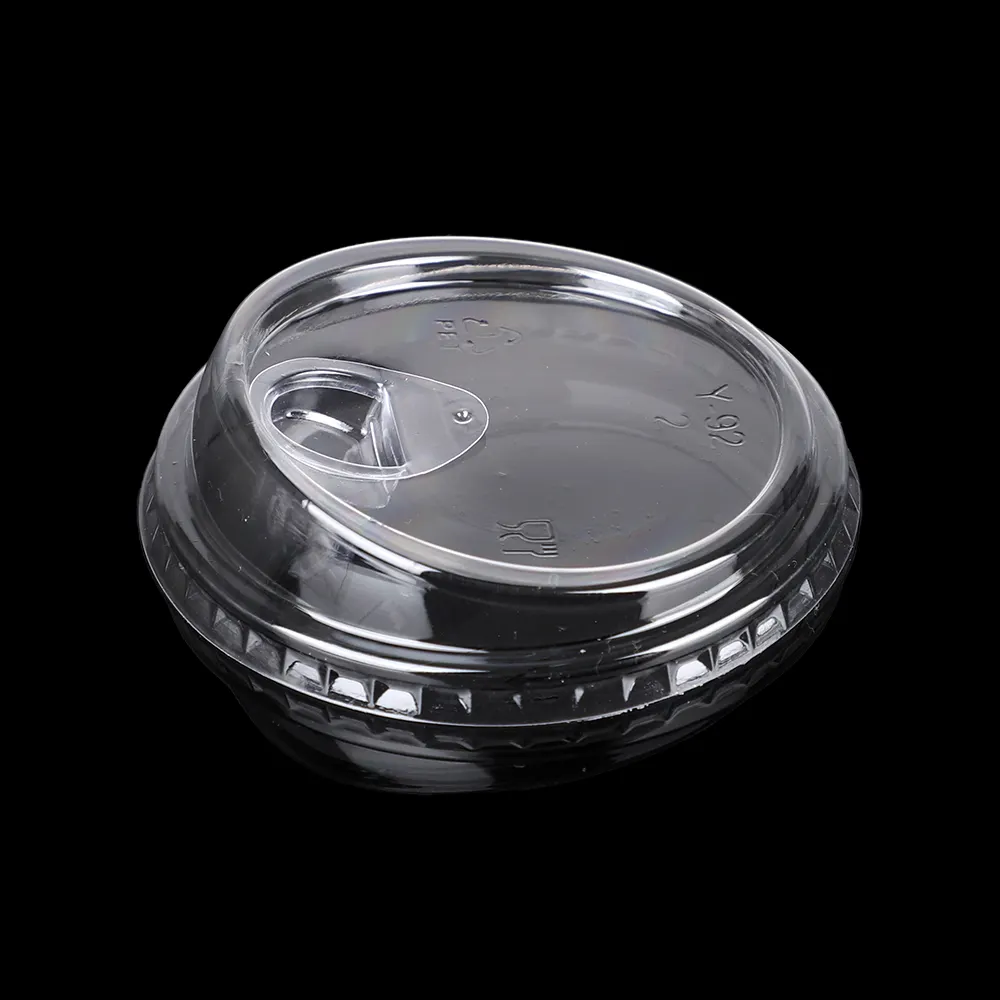
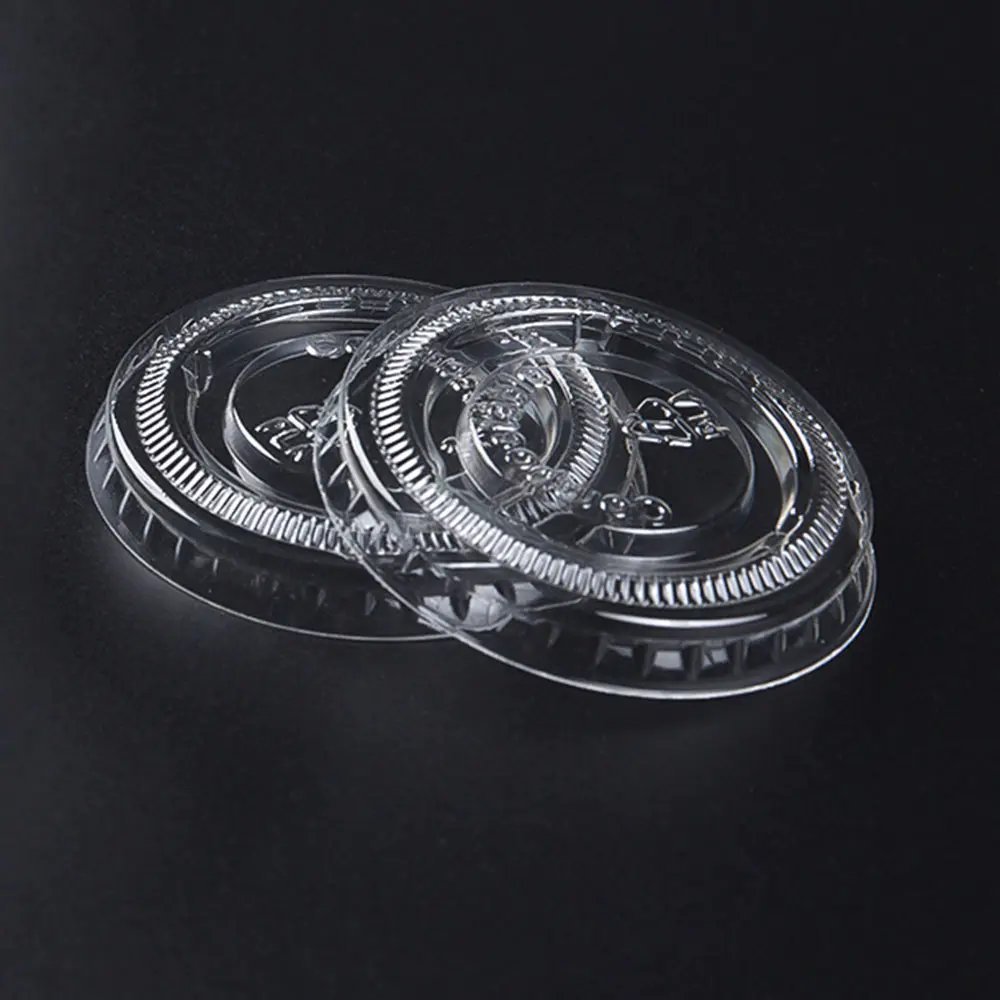
Compostable coffee cup lids represent a revolutionary advancement in sustainable packaging solutions, designed to address the growing environmental concerns associated with traditional plastic lids. These innovative lids are manufactured using plant-based materials such as PLA (polylactic acid), bagasse, or other biodegradable polymers that break down naturally in commercial composting facilities. The main function of compostable coffee cup lids extends beyond simple beverage containment to provide an eco-friendly alternative that maintains the same practical benefits as conventional plastic lids while significantly reducing environmental impact. These lids feature advanced engineering that ensures proper fit, leak resistance, and heat tolerance necessary for hot beverages. The technological features of compostable coffee cup lids include specialized barrier coatings that prevent moisture penetration, reinforced rim structures for secure attachment to cups, and ventilation systems that allow proper airflow while preventing spills. Many compostable coffee cup lids incorporate innovative design elements such as recessed areas for straw insertion, ergonomic sipping surfaces, and tamper-evident features for food safety compliance. The manufacturing process utilizes cutting-edge molding techniques that create consistent wall thickness and structural integrity comparable to traditional plastic alternatives. Applications for compostable coffee cup lids span across various sectors including coffee shops, restaurants, food trucks, office buildings, airports, hospitals, and educational institutions. These lids are particularly valuable for businesses seeking to demonstrate environmental responsibility while maintaining operational efficiency. The versatility of compostable coffee cup lids makes them suitable for both hot and cold beverages, accommodating different cup sizes and beverage types. Their compatibility with existing dispensing systems allows for seamless integration into current operations without requiring significant infrastructure changes.


 EN
EN