 EN

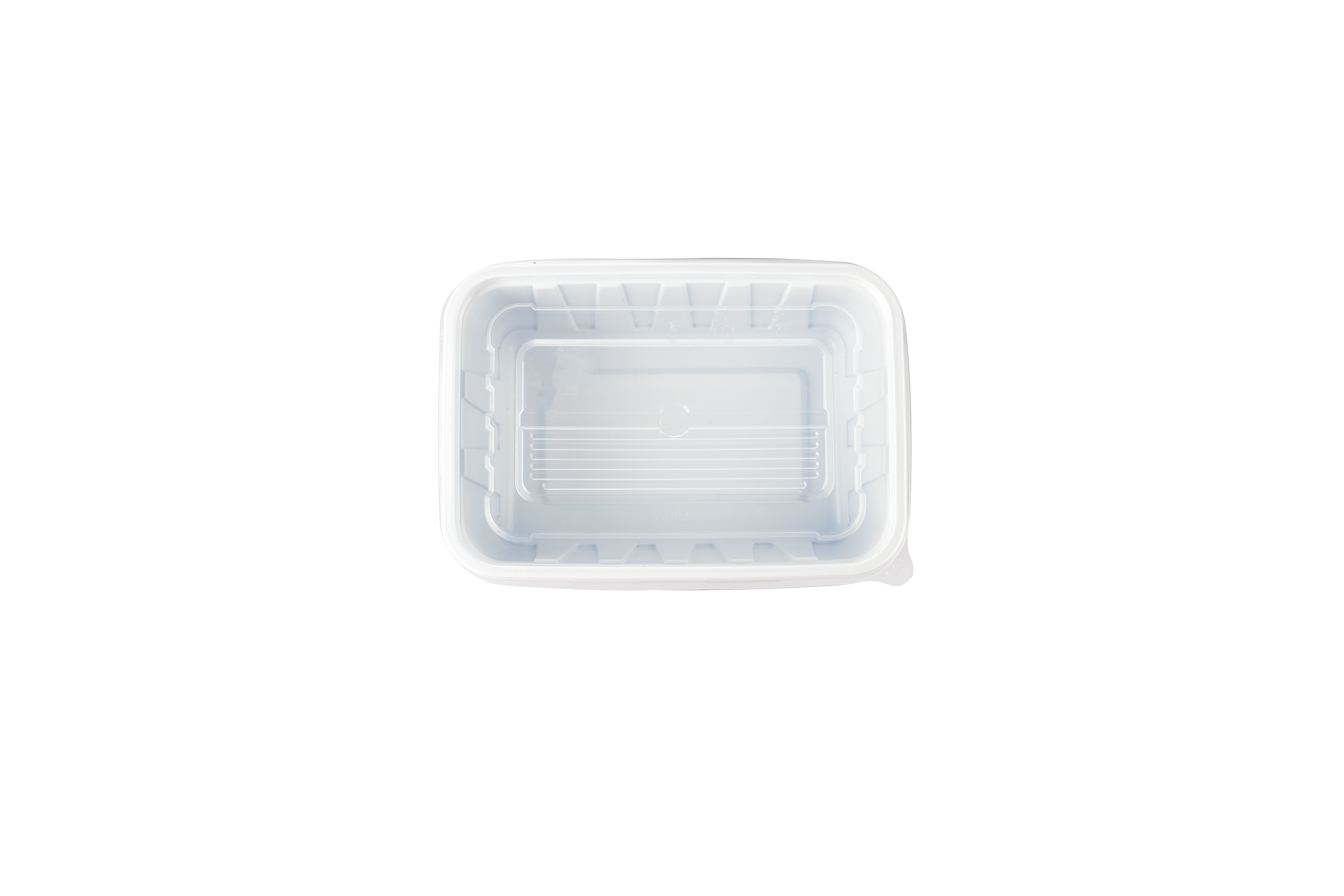
Selecting the right cold coffee cups is a critical decision for any food and beverage business. The choice impacts customer satisfaction, operational efficiency, brand perception, and bottom-line profitability. Many operators focus exclusively on cost per unit and overlook the broader factors that drive customer experience and repeat business. This guide walks you through the essential criteria for choosing cold coffee cups that align with your menu strategy, customer expectations, and business objectives.

The beverage industry has evolved dramatically over the past decade, with cold coffee drinks now accounting for a significant portion of café and restaurant revenue. Iced lattes, cold brews, frozen cappuccinos, and specialty cold coffee cups have become menu staples. Understanding the mechanics of volume selection, material quality, and design features ensures your cold coffee cups reinforce brand identity while delivering reliability in high-volume service environments. The right cold coffee cups support operational speed, reduce waste, enhance visual appeal, and strengthen customer loyalty.
Understanding Volume Requirements for Cold Coffee Cups
Assessing Your Menu Cold Coffee Cups Portfolio
Your first step is mapping the exact cold coffee cups volumes you need for your menu. Cold coffee drinks typically come in small (12 oz), medium (16 oz), and large (20 oz) sizes, though specialty outlets may use 8 oz or 24 oz cold coffee cups. Analyze your sales data to determine which volume cold coffee cups generate the highest revenue and customer demand. Track seasonal trends, time-of-day patterns, and whether cold coffee cups sales spike during summer months or remain consistent year-round. This data-driven approach prevents over-ordering certain cold coffee cups volumes while under-stocking others, which disrupts service flow and frustrates customers.
Matching Cold Coffee Cups Size to Pricing Strategy
Volume cold coffee cups directly influence your pricing architecture and margin structure. Larger cold coffee cups allow for premium pricing and higher perceived value, but require more product per drink, potentially squeezing margins if ingredients are expensive. Smaller cold coffee cups volumes reduce per-unit costs but may feel premium when designed elegantly, appealing to health-conscious consumers or espresso purists. Consider your competitive positioning and target customer segment when selecting cold coffee cups volumes. A specialty third-wave café may emphasize 12 oz cold coffee cups to highlight quality over quantity, while a high-volume chain may standardize 16 oz cold coffee cups to balance value perception and profitability. Test different cold coffee cups sizes with your customer base to identify the optimal mix that maximizes both satisfaction and revenue per transaction.
Material Selection and Durability of Cold Coffee Cups
Evaluating Cold Coffee Cups Material Performance
Cold coffee cups material composition affects durability, thermal performance, sustainability perception, and customer experience. Polystyrene (PS) cold coffee cups offer superior insulation and cost efficiency, making them popular in high-volume settings. Polyethylene terephthalate (PET) cold coffee cups provide clarity and are recyclable, enhancing brand transparency and environmental messaging. Paper-based cold coffee cups with plastic or wax linings offer a premium feel and align with eco-conscious branding. Regardless of material choice, your cold coffee cups must resist condensation without becoming slippery, maintain structural integrity during transport and handling, and preserve beverage temperature and flavor profile. Test sample cold coffee cups under actual service conditions, including contact with ice, carbonated mixers, and hand moisture, to verify performance before committing to bulk orders.
Insulation and Temperature Retention in Cold Coffee Cups
Insulation properties of cold coffee cups directly affect customer satisfaction and product perception. Double-walled cold coffee cups or thicker material options slow ice melt and maintain cold coffee cups beverage temperature longer, creating a premium experience and reducing customer complaints about diluted drinks. However, premium cold coffee cups cost more per unit, so you must balance material quality against volume and price sensitivity. Some operators choose standard cold coffee cups for basic cold brew and upgrade to insulated cold coffee cups for specialty frozen drinks or summer promotional periods. This tiered approach optimizes cost while maintaining quality perception where it matters most. Always specify the wall thickness and material grade when ordering cold coffee cups to avoid receiving inferior substitutes that compromise your brand experience.
Branding, Design, and Customer Experience with Cold Coffee Cups
Incorporating Brand Identity into Cold Coffee Cups Design
Cold coffee cups serve as mobile brand ambassadors every time a customer leaves your establishment. Custom-printed cold coffee cups featuring your logo, color scheme, tagline, or menu information reinforce brand recognition and create social media moments when customers photograph their drinks. Premium cold coffee cups printing options include full-color digital printing, sleeve-based branding, or embossed logos that signal quality and attention to detail. Evaluate design durability—inks must resist fading, condensation, and contact with beverages without compromising the visual appeal of your cold coffee cups. Consider seasonal or limited-edition cold coffee cups designs to create urgency and collectibility, particularly effective for specialty drinks or promotional campaigns. The cost of custom printing varies significantly based on volume, design complexity, and cold coffee cups supplier capabilities, so request samples and pricing tiers when evaluating cold coffee cups options.
User Experience and Functionality of Cold Coffee Cups
Practical design elements directly influence how customers perceive and interact with your cold coffee cups. Grip ridges, tapered shapes, or textured surfaces prevent slipping and enhance perceived quality compared to plain cold coffee cups. Lids must seal securely and accommodate straws or sipping holes without leaking, particularly important for cold coffee cups intended for on-the-go consumption or delivery. Consider handle options—some cold coffee cups include built-in handles, while others rely on sleeves or carrier solutions. The cold coffee cups design should accommodate standard lid sizes and straw diameters to ensure compatibility with your supply chain. Test cold coffee cups designs with actual customers and front-line staff to identify usability issues before scaling production. Feedback on ergonomics, leak resistance, and overall satisfaction with cold coffee cups directly influences repeat purchase intent and brand loyalty.
Sustainability, Compliance, and Operational Integration
Environmental Considerations and Cold Coffee Cups Selection
Sustainability increasingly influences cold coffee cups purchasing decisions among consumers and regulatory bodies. Recyclable cold coffee cups appeal to environmentally conscious demographics and support corporate sustainability goals. Compostable cold coffee cups certified by standards bodies like BPI or OK Compost offer premium positioning but require proper infrastructure in your region. Some jurisdictions mandate recyclability or restrict single-use cold coffee cups materials, so verify local regulations before finalizing orders. Calculate the lifecycle carbon footprint of different cold coffee cups options—transportation distance, material sourcing, manufacturing energy, and end-of-life disposal all factor into environmental impact. Even incremental improvements in cold coffee cups sustainability can strengthen brand positioning without significant cost increases, particularly when communicating the initiative to your customer base through menu signage or digital channels.
Logistics and Inventory Management for Cold Coffee Cups
Operational efficiency depends on seamless integration of your cold coffee cups into supply chain workflows. Calculate storage space requirements for different cold coffee cups volumes and order frequencies—bulk purchasing reduces per-unit cost but requires warehouse capacity and capital tied up in inventory. Establish par levels and reorder points to prevent stockouts of critical cold coffee cups sizes during peak demand periods. Coordinate cold coffee cups ordering with lid, straw, and sleeve suppliers to ensure all components arrive simultaneously and function together without compatibility issues. Supplier reliability matters significantly—missed cold coffee cups deliveries disrupt service and damage customer experience, so prioritize vendors with consistent lead times and responsive customer support. Evaluate total cost of ownership beyond unit price, including storage, handling, spoilage risk, and delivery frequency when comparing cold coffee cups suppliers and sizing strategies.
FAQ
What size cold coffee cups should I prioritize for my café menu?
The ideal cold coffee cups size depends on your customer demographic, product mix, and pricing strategy. Most successful operations standardize 16 oz cold coffee cups as their default volume, offering flexibility for medium-sized drinks and premium pricing. Analyze your current sales data to determine which cold coffee cups volumes drive the highest margin and customer satisfaction. Consider offering 12 oz cold coffee cups for espresso-forward drinks and 20 oz cold coffee cups for value-conscious customers seeking larger cold coffee cups volumes. Start with two core cold coffee cups sizes, test customer response, and expand your cold coffee cups portfolio once you understand demand patterns and profitability dynamics.
Are recyclable cold coffee cups worth the additional investment?
Recyclable cold coffee cups typically cost 5–15% more per unit than standard cold coffee cups, but deliver tangible brand and regulatory benefits. Sustainability-focused customers often support businesses offering recyclable cold coffee cups, creating competitive advantage and loyalty. Regional regulations increasingly mandate recyclable cold coffee cups options, so choosing compliant materials positions your business ahead of future requirements. Market research your local customer base to assess willingness to support cold coffee cups pricing that reflects sustainability investments. For many operators, the brand differentiation and risk mitigation justify the incremental cold coffee cups cost, particularly in competitive urban markets where environmental values drive purchasing decisions.
How do I prevent condensation issues with cold coffee cups?
Condensation on cold coffee cups occurs naturally when cold beverages meet warm ambient air, but several strategies minimize customer frustration. Double-walled cold coffee cups or thicker-gauge materials reduce condensation compared to thin single-wall cold coffee cups. Using sleeves or carriers with your cold coffee cups absorbs moisture and prevents hand slippage while providing additional branding space. Test cold coffee cups from different suppliers under identical conditions to compare condensation performance before committing to large orders. Communicate condensation expectations to staff so they can proactively explain that condensation indicates proper cold coffee cups insulation and product freshness, reframing a potential negative as evidence of quality.