 EN

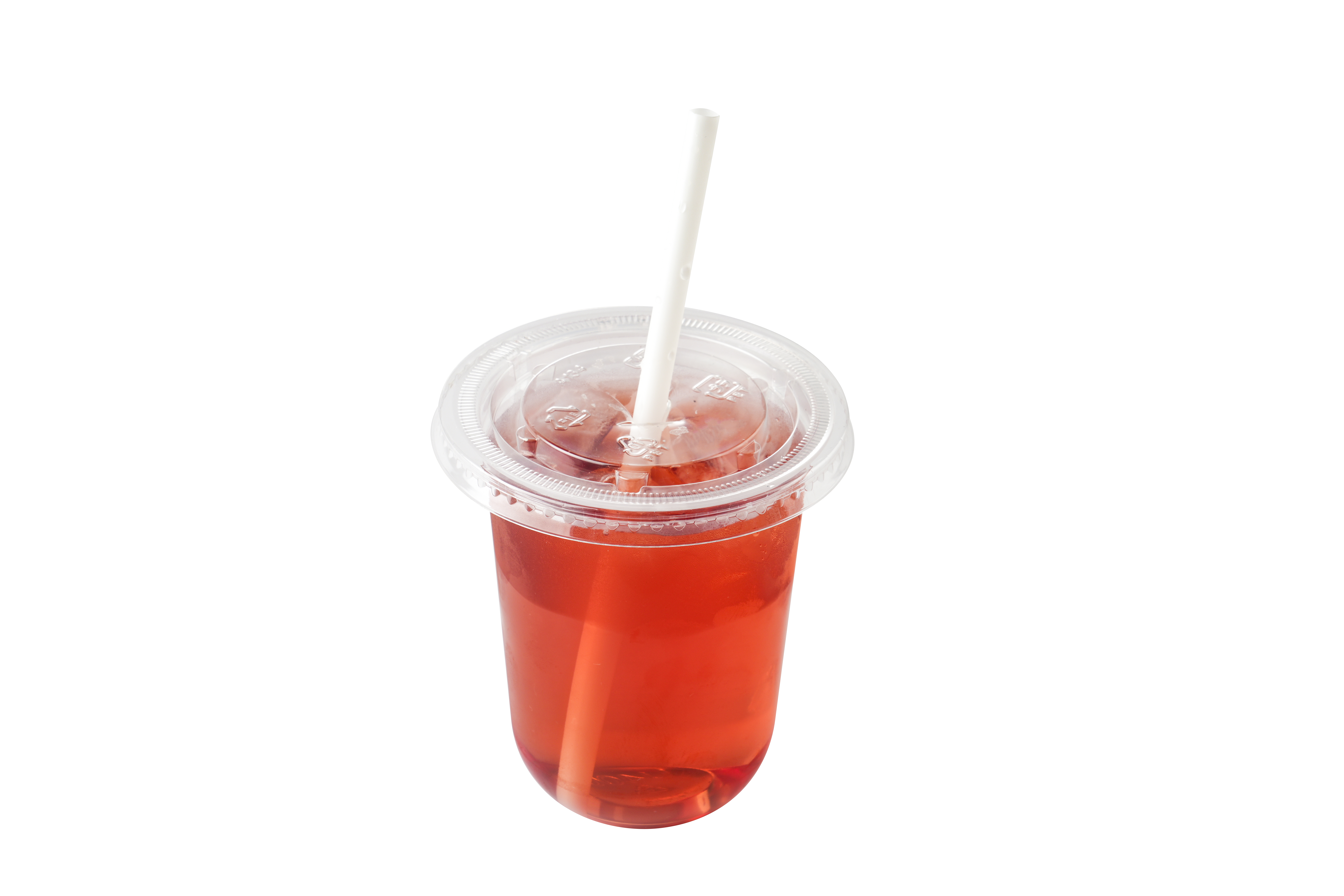
Condensation rings on furniture and desks represent one of the most common frustrations when using cold coffee cups throughout the workday. The moisture that forms on the exterior of cold coffee cups creates unsightly stains, damages wooden surfaces, and leaves water marks on glass tables. Understanding the insulation technology behind cold coffee cups that prevents condensation has become essential for both consumers and businesses seeking to protect their environments while enjoying chilled beverages. Modern cold coffee cups employ sophisticated engineering solutions that go far beyond simple plastic construction, incorporating multiple layers and advanced materials specifically designed to eliminate condensation buildup.

The science behind preventing condensation in cold coffee cups relies on thermal insulation principles that have been refined over decades. When a beverage inside cold coffee cups reaches temperatures significantly lower than the surrounding air, the exterior surface becomes a focal point for condensation formation. By implementing advanced insulation technology, manufacturers of cold coffee cups can maintain a temperature difference that minimizes or completely eliminates the moisture accumulation that typically occurs on traditional single-wall cups. This article explores the specific insulation technologies that make cold coffee cups effective solutions for maintaining dry surfaces while keeping beverages at optimal serving temperatures.
Double-Wall Construction in Cold Coffee Cups
The Foundation of Modern Insulation
Double-wall construction represents the most fundamental insulation technology in cold coffee cups, creating a barrier system that significantly reduces heat transfer between the cold beverage and the warm external environment. The space between the two walls of cold coffee cups acts as an insulating layer, trapping air or specialized materials that slow down thermal conduction. This architectural design ensures that the outer wall of cold coffee cups remains closer to ambient room temperature, dramatically reducing the temperature differential that causes condensation. When the external wall stays warmer, the moisture-laden air around the cup cannot easily reach its dew point on the cup surface, preventing water droplets from forming.
Materials and Construction Methods
Cold coffee cups manufactured with double-wall technology typically use high-grade plastic, foam lamination, or specialized composite materials that provide structural integrity while maintaining excellent insulating properties. The manufacturing process for cold coffee cups involves precision molding techniques that create uniform wall thicknesses and consistent spacing between layers. Premium cold coffee cups often feature a sealed air gap between walls, which provides superior insulation compared to foam-filled alternatives. Some advanced cold coffee cups incorporate vacuum-sealed technology similar to thermos bottles, though these remain less common due to manufacturing complexity and cost considerations for disposable or single-use cold coffee cups.
Air Gap Technology and Vacuum Insulation
Strategic Air Space in Cold Coffee Cups
The air gap between the inner and outer walls of cold coffee cups serves as the primary thermal barrier, exploiting the low thermal conductivity of air itself. In cold coffee cups, this air space typically measures between 2 and 10 millimeters, depending on design specifications and manufacturing capabilities. The effectiveness of air gap insulation in cold coffee cups increases when manufacturers seal this space completely, preventing air circulation that would otherwise conduct heat from the exterior to the cold beverage. This design principle has proven so successful that most commercial cold coffee cups on the market today incorporate some variation of this technology, recognizing its proven effectiveness in preventing condensation.
Vacuum-Sealed Enhancement
Advanced cold coffee cups sometimes employ partial vacuum technology, where the air gap is partially evacuated to create near-vacuum conditions that minimize heat transfer even further. While full vacuum sealing in cold coffee cups remains expensive for mass production, some premium cold coffee cups achieve partial vacuum through specialized manufacturing equipment. This technology in cold coffee cups reduces thermal conductivity to nearly zero within the air gap, allowing beverages to maintain cold temperatures for extended periods while the external surface remains consistently dry. The investment in vacuum technology for cold coffee cups proves particularly valuable in professional environments where beverage temperature retention matters significantly.
Condensation Control Materials and Surface Treatments
Hydrophobic Coatings on Cold Coffee Cups
Beyond structural insulation, cold coffee cups often feature hydrophobic surface treatments that repel water and minimize moisture accumulation on exterior surfaces. These specialized coatings applied to cold coffee cups create water-resistant properties that prevent condensation droplets from clinging to the cup exterior, allowing moisture to bead and roll away instead. cold coffee cups with advanced surface treatments demonstrate superior performance in humid environments, maintaining dry exteriors even when internal temperatures drop significantly below room temperature. The durability of these hydrophobic treatments on cold coffee cups depends on material quality and manufacturing precision, with premium options providing lasting protection throughout the cup's usable lifespan.
Textured and Grippy Exteriors
Cold coffee cups often feature textured exterior surfaces that serve dual purposes: improving grip for the user while simultaneously disrupting smooth condensation formation. The microscopic texture variations on cold coffee cups alter how moisture distributes across the surface, encouraging water to form small beads rather than a continuous wet film. These surface patterns on cold coffee cups also facilitate faster evaporation by increasing surface area and air circulation around condensation areas. Manufacturers have discovered that cold coffee cups with textured designs not only prevent condensation rings more effectively but also provide ergonomic benefits that enhance user experience and comfort during extended use.
FAQ
How long does the insulation in cold coffee cups remain effective?
The insulation effectiveness of cold coffee cups typically lasts for several hours, with premium models maintaining optimal condensation prevention for 4 to 8 hours depending on ambient temperature and beverage initial temperature. The air gap or vacuum seal in cold coffee cups gradually equilibrates with external conditions, though quality construction ensures minimal degradation during typical daily use. Reusable cold coffee cups with vacuum technology often maintain their insulating properties for years with proper care, while disposable cold coffee cups deliver consistent performance throughout their intended lifespan.
Can cold coffee cups prevent condensation in high-humidity environments?
Cold coffee cups with superior insulation technology significantly reduce condensation formation even in high-humidity settings, though extremely humid environments may still produce minimal moisture on the exterior surface. The effectiveness of cold coffee cups in humid conditions depends on the temperature differential between the beverage and the surrounding air, along with the quality of the insulation system. Well-designed cold coffee cups with double-wall construction and hydrophobic coatings perform remarkably well even when humidity levels approach saturation, keeping exterior surfaces substantially drier than traditional single-wall alternatives.
Are insulated cold coffee cups better than ice or cooling gel alternatives?
Cold coffee cups with advanced insulation technology outperform simple ice or cooling gel solutions for condensation prevention because they address the root thermal cause rather than merely adding temporary cooling mass. While ice and cooling gels can lower beverage temperature, they often increase condensation formation on the cup exterior due to extremely cold surface temperatures. Modern cold coffee cups prevent condensation through intelligent insulation design that maintains optimal temperature differentials without creating the excessive external coldness that attracts moisture. For professional and daily-use scenarios, investing in quality cold coffee cups with proper insulation technology provides superior long-term condensation control compared to temporary cooling methods.