 EN
EN

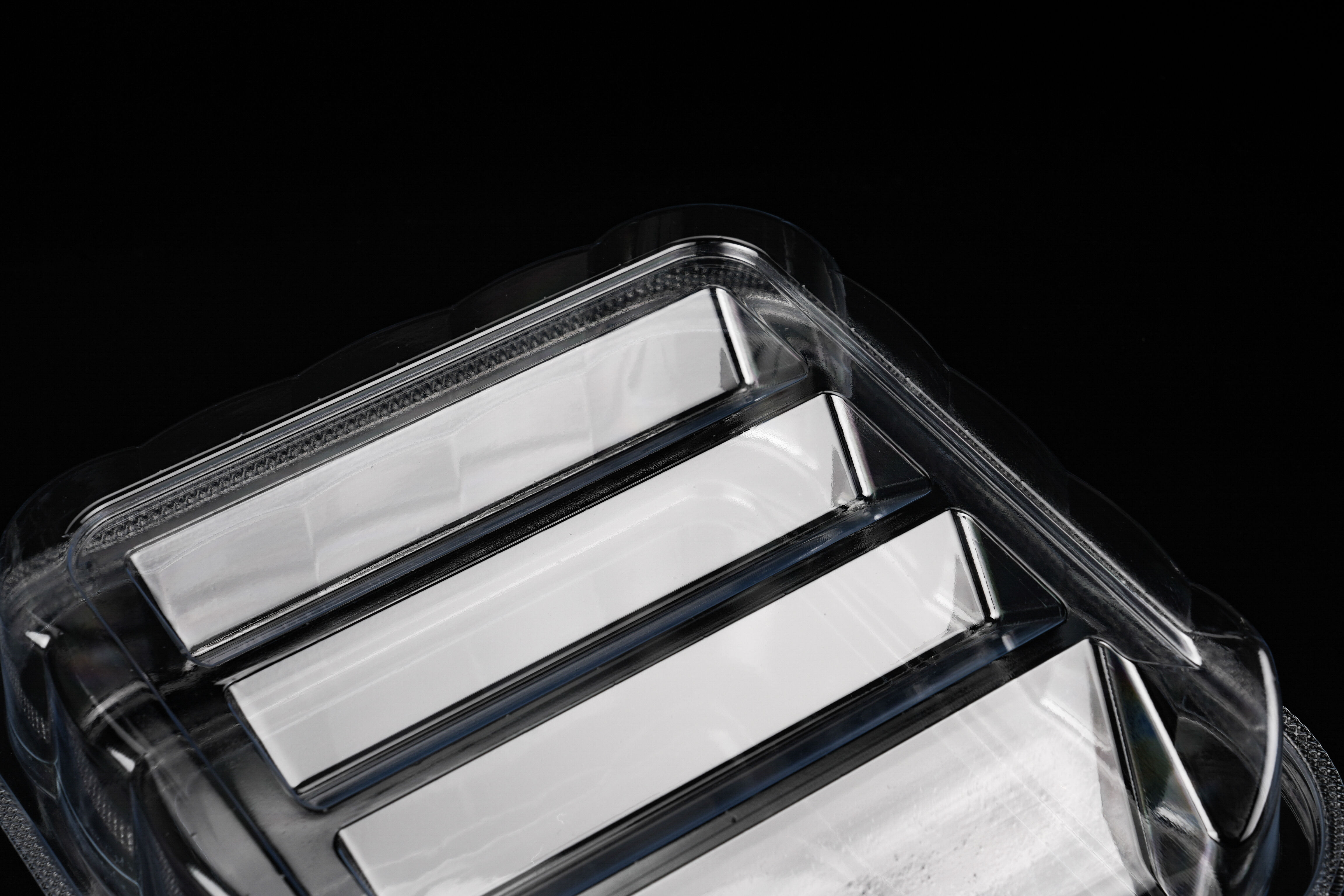
Maintaining optical clarity in PET clear salad containers represents a critical challenge for food packaging manufacturers and distributors who depend on product visibility to drive consumer appeal and brand trust. Hazing—the cloudy, milky appearance that diminishes transparency—occurs when manufacturing conditions, material selection, or processing parameters deviate from optimal specifications. Understanding the mechanisms behind haze formation and implementing rigorous quality control measures ensures that PET clear salad containers retain their pristine clarity throughout production, distribution, and consumer use, directly impacting shelf appeal and purchase decisions in competitive retail environments.
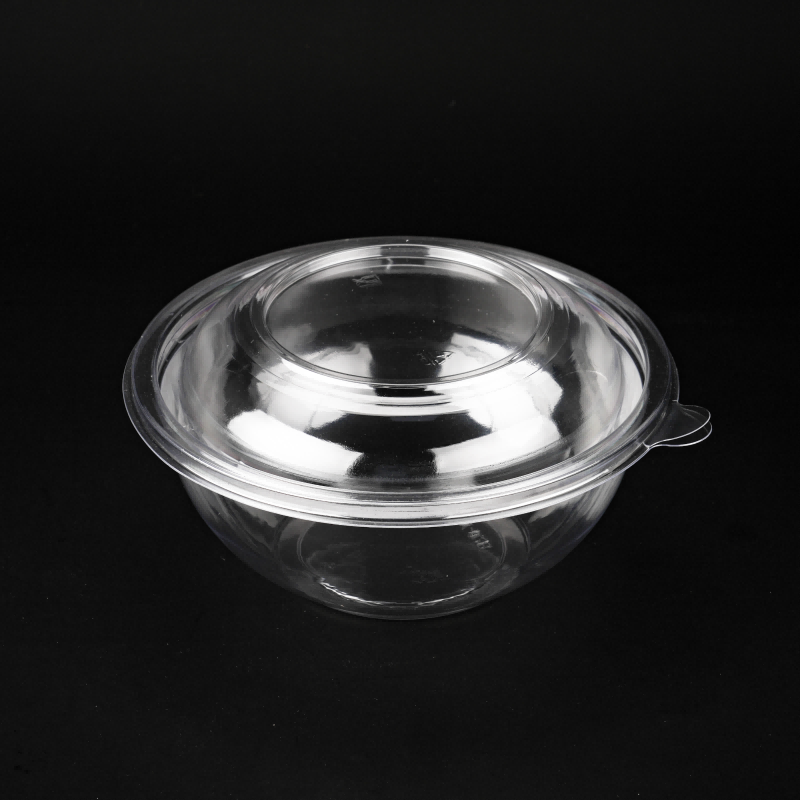
Preventing haze formation in PET clear salad containers requires a comprehensive approach that addresses material purity, thermal processing controls, mold design precision, and environmental handling protocols. The crystallization behavior of polyethylene terephthalate determines whether containers exhibit glass-like transparency or develop surface and internal opacity that obscures food contents. Manufacturers who master the interplay between resin selection, processing temperature profiles, cooling rates, and surface finish specifications consistently deliver containers with exceptional clarity that meet stringent optical standards required by premium food brands and quality-conscious retailers seeking differentiation through packaging excellence.
Understanding the Root Causes of Haze Formation in PET Packaging
Material Crystallinity and Molecular Orientation Effects
The fundamental cause of hazing in PET clear salad containers originates from uncontrolled crystallization within the polymer matrix during thermal processing. When PET molecules organize into crystalline structures rather than maintaining an amorphous state, light scattering occurs at the boundaries between crystalline and amorphous regions, creating the visible cloudiness that compromises transparency. Properly manufactured PET clear salad containers maintain molecular arrangements that minimize crystalline formation through precise temperature control during both heating and cooling phases, ensuring light transmission remains unimpeded throughout the container wall thickness.
Molecular orientation introduced during thermoforming or stretch blow molding processes directly influences optical properties by aligning polymer chains in specific directions. Biaxial orientation—stretching in both machine and transverse directions—generally enhances clarity by creating uniform molecular alignment that reduces light scattering sites. However, excessive orientation or uneven stretching patterns can induce stress concentrations that serve as nucleation points for crystallization, particularly when containers experience thermal cycling during filling operations or storage conditions. Maintaining balanced orientation throughout container geometry prevents localized haze development that typically appears in high-stress regions such as corners and bottom transitions.
Contamination and Additive Incompatibility Issues
Foreign particle contamination represents a significant contributor to haze formation in PET clear salad containers, with microscopic inclusions acting as light-scattering centers that accumulate visible opacity even at low concentrations. Contaminants may originate from recycled content streams, inadequate material handling systems, or equipment wear particles that introduce non-PET substances into the melt stream. Advanced filtration systems and material qualification protocols ensure resin feedstocks meet stringent purity standards, typically requiring particle counts below specific thresholds measured in parts per million to maintain the optical performance consumers expect from premium clear packaging.
Additive packages incorporated to enhance processing characteristics or functional properties must demonstrate complete compatibility with the PET matrix to avoid phase separation phenomena that manifest as haze. Slip agents, mold release compounds, colorants, and UV stabilizers require careful selection and dosage optimization to ensure molecular-level dispersion without creating discrete domains that scatter light. Incompatible additives may remain dissolved during processing but precipitate during cooling or subsequent thermal exposure, creating delayed haze development that appears during distribution or shelf life. Rigorous additive screening protocols and compatibility testing under representative thermal histories protect against unexpected clarity degradation in finished PET clear salad containers.
Moisture Absorption and Hydrolytic Degradation
PET demonstrates hygroscopic behavior, absorbing atmospheric moisture that catalyzes hydrolytic chain scission reactions at elevated processing temperatures. When moisture-laden resin enters thermoforming or injection molding equipment, the resulting hydrolysis generates short-chain oligomers and carboxyl end groups that disrupt molecular uniformity and promote crystallization tendencies. These degradation products concentrate near container surfaces, creating haze patterns that correlate directly with moisture content in starting materials. Pre-drying protocols that reduce moisture levels below 0.005% by weight represent essential prerequisite steps for producing consistently clear PET clear salad containers.
The relationship between drying effectiveness and optical quality extends beyond simple moisture removal to include thermal exposure management during the drying process itself. Excessive drying temperatures or prolonged residence times can induce premature crystallization in resin pellets, compromising their processing characteristics and final clarity potential. Modern desiccant drying systems incorporate precise temperature control and dew point monitoring to achieve optimal moisture reduction without thermal degradation, typically maintaining drying temperatures between 150-165°C with residence times calibrated to resin intrinsic viscosity specifications. Continuous moisture monitoring before processing verifies drying effectiveness and prevents moisture-related clarity defects in finished containers.
Optimizing Processing Parameters for Maximum Clarity
Temperature Profile Management Throughout Production
Thermal processing windows for PET clear salad containers demand precise control to maintain material above its glass transition temperature while preventing crystallization onset temperatures from being reached during critical forming stages. Thermoforming processes typically employ sheet temperatures between 120-140°C, carefully balanced to achieve adequate material flow and formability without triggering crystallization that manifests as haze. Temperature uniformity across sheet width and machine direction ensures consistent molecular mobility throughout forming operations, preventing differential crystallization that creates visible clarity variations between container batches or within individual units.
Cooling rate management following forming operations exerts profound influence on final optical properties, with rapid cooling preserving amorphous structure by preventing molecular reorganization into crystalline configurations. Manufacturers employ precisely controlled cooling systems that extract heat quickly enough to lock in glassy state characteristics while avoiding thermal shock that induces internal stresses. Air-assisted cooling, chilled mold surfaces, and staged temperature reduction protocols optimize the solidification process to maximize clarity in PET clear salad containers. Temperature differentials between forming and cooling stages typically exceed 80°C within seconds, requiring sophisticated thermal management systems that maintain process repeatability across production runs.
Mold Design and Surface Finish Specifications
Mold cavity surfaces directly replicate onto formed container walls, making surface finish quality a critical determinant of optical clarity in finished PET clear salad containers. Mirror-polished mold surfaces with surface roughness values below 0.05 micrometers Ra minimize light scattering at container exterior surfaces, contributing significantly to overall transparency perception. Surface finish deterioration from repeated thermal cycling, abrasive wear, or corrosion introduces microscopic irregularities that transfer to container surfaces as visible haze, necessitating regular mold maintenance and refinishing protocols that preserve optical quality standards throughout production tool life cycles.
Mold design geometry influences material flow patterns and stress distribution during forming, with poorly designed transitions creating localized thickness variations and stress concentrations that promote crystallization. Generous radii at corners and gradual depth transitions reduce material stretching intensity, allowing more uniform molecular orientation that supports clarity objectives. Draft angles, undercut elimination, and optimized vent placement ensure complete mold filling without air entrapment or material bridging that creates optical defects. Computer-aided engineering analysis during mold design phases predicts material behavior and identifies potential problem areas before tool fabrication, enabling design refinements that support consistent production of high-clarity PET clear salad containers meeting demanding optical specifications.
Process Monitoring and Real-Time Quality Control
Continuous monitoring of critical process variables enables immediate detection and correction of conditions that compromise clarity in PET clear salad containers. Temperature sensors positioned throughout heating, forming, and cooling zones provide real-time feedback to control systems that maintain setpoints within narrow tolerances, typically ±2°C or tighter for clarity-critical applications. Pressure monitoring during forming operations ensures adequate material contact with mold surfaces and consistent wall thickness distribution that influences optical uniformity. Statistical process control methodologies track parameter trends over time, identifying drift patterns before they result in out-of-specification containers reaching customers.
Automated optical inspection systems evaluate finished container clarity using standardized haze measurement protocols that quantify light transmission and scattering characteristics. Inline inspection eliminates subjective visual assessment variability while providing objective data for process optimization and quality documentation. Haze values below two percent typically define acceptable clarity standards for premium PET clear salad containers, with tighter specifications applied for applications requiring exceptional transparency. Rejected containers trigger automatic process adjustments or operator alerts, creating closed-loop quality systems that maintain consistent optical performance despite inevitable process variability from material lot changes, ambient condition variations, or equipment wear progression.
Material Selection Strategies for Optimal Transparency
Virgin Versus Recycled Content Considerations
Virgin PET resins offer inherent advantages for producing PET clear salad containers with maximum clarity due to their consistent molecular weight distribution, minimal contamination, and predictable processing behavior. Manufacturers specify virgin grades with intrinsic viscosity values optimized for thermoforming applications, typically ranging from 0.70 to 0.84 dL/g, balancing melt strength requirements with flow characteristics that support uniform wall thickness formation. Batch-to-batch consistency in virgin materials simplifies process control and reduces the need for frequent parameter adjustments that increase the risk of clarity deviations during production transitions.
Incorporating recycled PET content introduces complexity that requires careful material characterization and blending strategies to maintain clarity standards in finished containers. Post-consumer recycled (PCR) content may contain residual contaminants, mixed polymer types, or degraded molecular chains that compromise optical properties unless subjected to rigorous sorting, cleaning, and repolymerization processes. Advanced recycling technologies that restore molecular weight and remove contaminants enable PCR incorporation rates up to thirty percent in some applications while preserving clarity, though continuous quality verification remains essential. Manufacturers committed to sustainability balance environmental objectives with optical performance requirements through strategic material selection that meets both criteria without compromise.
Copolymer Modifications and Clarity Enhancement
Copolymer PET grades incorporate small percentages of modifying monomers that disrupt crystallization tendencies while maintaining fundamental PET characteristics. Cyclohexanedimethanol (CHDM) copolymers, commonly designated as PETG, demonstrate exceptional clarity retention across wider processing windows by inhibiting crystal formation through irregular molecular structures that resist ordering. These modified resins enable production of PET clear salad containers with reduced crystallization sensitivity, though cost premiums and slightly different mechanical properties require careful application evaluation. Copolymer selection depends on specific performance priorities, balancing optical requirements against impact resistance, temperature tolerance, and cost constraints inherent in competitive food packaging markets.
Resin manufacturers continuously develop new grades with enhanced clarity characteristics through molecular architecture optimization and proprietary additive systems. Recent innovations include nucleating agents that promote formation of extremely small crystalline domains below the wavelength of visible light, effectively rendering crystallinity optically transparent despite its physical presence. These advanced materials expand processing latitude for PET clear salad containers by tolerating broader temperature ranges and slower cooling rates without clarity loss, improving manufacturing efficiency while maintaining optical standards. Material qualification processes evaluate new resin grades against established benchmarks, measuring haze development under accelerated aging conditions and thermal cycling representative of real-world distribution environments before approving them for production use.
Environmental and Handling Factors Affecting Container Clarity
Storage Conditions and Thermal Exposure Management
Post-production storage environments significantly influence whether PET clear salad containers maintain their initial clarity throughout distribution and shelf life. Elevated storage temperatures approaching or exceeding PET's glass transition temperature can trigger delayed crystallization in containers that appeared clear immediately after manufacturing. Warehouse facilities maintaining ambient temperatures below 30°C and implementing first-in-first-out inventory rotation minimize thermal history accumulation that gradually degrades optical properties. Temperature monitoring systems and climate-controlled storage zones protect high-clarity containers destined for premium applications where even subtle haze development proves unacceptable to quality-conscious customers.
Thermal cycling during transportation exposes PET clear salad containers to repeated heating and cooling cycles that promote crystallization through progressive molecular reorganization. Containers subjected to multiple freeze-thaw cycles or sustained exposure to direct sunlight in unshaded transport vehicles demonstrate accelerated haze development compared to those maintained under stable thermal conditions. Packaging design for container transport incorporates insulation, reflective surfaces, or temperature monitoring devices that alert logistics personnel to excessive thermal exposure requiring corrective action. Distribution protocols specify maximum acceptable temperature excursions and duration limits that protect optical quality from field to final destination.
Mechanical Stress and Surface Damage Prevention
Mechanical stresses imposed during handling, stacking, and automated filling operations can induce localized crystallization in PET clear salad containers that manifests as stress-whitening or haze patterns. Excessive compression loads during palletized storage concentrate stresses in container sidewalls and rims, creating preferential crystallization sites that reduce transparency. Manufacturers specify maximum stacking heights and employ intermediate support layers that distribute loads more uniformly, preventing stress concentrations that compromise clarity. Container design incorporates structural reinforcement features such as vertical ribs or base geometries that enhance compression resistance without sacrificing material efficiency or optical performance in critical viewing areas.
Surface abrasion from container-to-container contact or interaction with filling equipment introduces microscopic scratches that scatter light and create apparent haze even when bulk material remains perfectly clear. Protective packaging systems, gentle handling protocols, and equipment modifications that minimize surface contact preserve the pristine surface finish essential for maximum transparency in PET clear salad containers. Anti-scratch surface treatments or coatings applied during or after forming operations provide additional protection against mechanical damage, though their compatibility with food contact requirements and cost implications require careful evaluation. Comprehensive handling guidelines distributed to filling operations and retail partners ensure clarity-preservation measures extend throughout the entire value chain.
Chemical Exposure and Compatibility Verification
Exposure to certain chemicals, cleaning agents, or food components can interact with PET surfaces, causing crazing, stress cracking, or surface modifications that appear as haze or reduced clarity. Aggressive sanitizers, high-pH cleaning solutions, or essential oil-containing dressings may attack PET molecular structure when exposure duration or concentration exceeds compatibility limits. Compatibility testing protocols evaluate container performance against representative food products and cleaning chemistries under accelerated conditions that simulate extended exposure scenarios. Test results establish safe use guidelines and identify incompatible substances requiring formulation modifications or alternative container material selection for specific applications.
Migration of plasticizers, flavoring compounds, or oil-based ingredients into PET clear salad containers can alter surface properties and contribute to clarity reduction through absorption phenomena that change refractive indices or promote localized crystallization. Barrier coatings or multi-layer structures incorporating functional barriers prevent chemical migration while maintaining transparency requirements for food visibility. Regulatory compliance testing verifies that PET clear salad containers meet food contact safety standards while demonstrating adequate resistance to clarity degradation from anticipated food exposure conditions throughout specified shelf life periods. Documentation of material safety and performance characteristics supports customer confidence in container suitability for demanding fresh food applications where appearance and product protection both remain critical.
Quality Assurance Protocols and Testing Methodologies
Standardized Haze Measurement Techniques
Objective haze quantification employs standardized testing methods such as ASTM D1003, which defines procedures for measuring total light transmission and wide-angle scattering characteristics that correlate with perceived clarity. Haze meters illuminate container samples with collimated light beams and measure the percentage of transmitted light deviating from the incident beam direction through angles greater than 2.5 degrees. Values below two percent generally indicate excellent clarity suitable for premium applications, while haze levels approaching five percent become readily apparent to casual observers and may trigger customer rejection of PET clear salad containers failing to meet aesthetic standards.
Sample preparation procedures and measurement locations significantly influence test result consistency and representativeness. Testing protocols specify multiple measurement points across container surfaces to characterize spatial clarity uniformity and identify localized haze patterns indicating specific processing problems. Flat-walled container sections provide ideal measurement surfaces, though curved geometries require specialized sample holders that maintain perpendicular light incidence angles essential for accurate readings. Regular calibration of measurement equipment using certified reference standards ensures long-term data reliability and enables meaningful comparison of results across production facilities, material lots, and time periods spanning months or years of continuous manufacturing operations.
Accelerated Aging and Stability Verification
Accelerated aging protocols evaluate whether PET clear salad containers maintain clarity throughout anticipated shelf life and use conditions by subjecting samples to elevated temperatures, humidity levels, and UV exposure representing months or years of real-time aging compressed into weeks of laboratory testing. Thermal aging at temperatures between 40-50°C reveals crystallization tendencies that might develop gradually during extended storage, while cyclic temperature exposure simulates distribution scenarios involving repeated thermal fluctuations. Periodic haze measurements throughout aging sequences characterize clarity stability and establish shelf life limits for applications sensitive to optical degradation.
UV exposure chambers equipped with controlled-spectrum light sources simulate outdoor display conditions or sunlight exposure through retail windows, evaluating whether photodegradation or UV-induced crystallization compromise container transparency over time. Test durations equivalent to specified outdoor exposure periods or fluorescent light hours establish confidence that PET clear salad containers maintain acceptable clarity throughout normal retail display cycles. Correlation studies comparing accelerated test results with real-time field aging validate test method predictive accuracy and enable refinement of acceleration factors that more accurately represent actual degradation kinetics under diverse environmental conditions encountered across geographic markets and seasonal variations.
Supplier Qualification and Incoming Material Verification
Comprehensive supplier qualification programs establish baseline clarity expectations and verify that incoming PET resins consistently meet specifications critical for producing high-transparency containers. Initial qualification testing evaluates virgin and recycled content streams across multiple production lots, characterizing intrinsic viscosity, moisture content, particle contamination levels, and processing behavior under standardized conditions. Clarity testing of containers molded from qualification samples provides direct assessment of optical performance potential, establishing acceptance criteria that incoming material shipments must satisfy before release to production operations.
Ongoing material verification testing at receiving inspection ensures lot-to-lot consistency and detects quality deviations before defective material enters production workflows. Certificate of analysis documentation from resin suppliers undergoes review against purchase specifications, with discrepancies triggering additional testing or material rejection decisions. Physical testing of retained samples from each material lot creates traceability links between finished container quality and specific resin batches, enabling rapid root cause analysis when clarity problems emerge during production or customer complaints indicate field performance issues with particular production runs of PET clear salad containers distributed to specific markets or customers.
FAQ
What causes PET clear salad containers to develop cloudiness over time?
Cloudiness or haze development in PET clear salad containers typically results from crystallization of polymer molecules triggered by thermal exposure, mechanical stress, or chemical interactions that occur after manufacturing. When containers experience temperatures approaching PET's glass transition point during storage or distribution, molecular mobility increases sufficiently to allow gradual reorganization from amorphous to crystalline structures that scatter light. Mechanical stresses from stacking pressure or rough handling can also induce localized crystallization, while certain food components or cleaning chemicals may interact with container surfaces to create optical changes. Proper material selection, optimized processing, and controlled storage conditions minimize time-dependent clarity degradation, ensuring containers maintain transparency throughout their intended shelf life and use cycle.
How do manufacturers test the clarity of PET containers during production?
Manufacturers employ standardized haze measurement equipment following protocols such as ASTM D1003 to quantify transparency objectively during production quality control inspections. These specialized instruments measure the percentage of transmitted light that scatters at wide angles when passing through container walls, providing numerical haze values that correlate with visual clarity perception. Inline inspection systems may incorporate optical sensors that continuously monitor containers moving through production lines, automatically rejecting units exceeding specified haze thresholds. Batch sampling protocols supplement automated inspection, with laboratory testing providing detailed characterization of optical properties across multiple container locations to verify spatial uniformity and identify potential processing issues requiring parameter adjustments to maintain consistent clarity in PET clear salad containers meeting customer specifications.
Can recycled PET content be used while maintaining container clarity?
High-quality recycled PET can be incorporated into clear salad containers while maintaining excellent transparency when sourced from advanced recycling streams that effectively remove contaminants and restore molecular weight through depolymerization and repolymerization processes. Food-grade recycled content meeting stringent purity specifications performs comparably to virgin resin in clarity-critical applications, though careful material characterization and process optimization remain essential. Many manufacturers successfully blend recycled content at levels up to thirty percent with virgin PET, balancing sustainability objectives against optical performance requirements. However, lower-grade recycled materials containing residual contamination or degraded polymer chains may compromise clarity and require restriction to non-transparent applications or products with less demanding aesthetic standards than premium clear containers used for fresh salad merchandising.
What storage conditions best preserve the clarity of PET clear salad containers?
Optimal storage conditions for preserving clarity in PET clear salad containers include climate-controlled environments maintaining temperatures below 30°C with minimal thermal fluctuation and protection from direct sunlight exposure. Warehouses should implement humidity control preventing condensation while avoiding excessively dry conditions that promote static electricity accumulation attracting airborne particles to container surfaces. Proper stacking height limits prevent excessive mechanical stress that could induce stress-whitening or localized crystallization, while protective packaging shields containers from physical abrasion during handling and transportation. First-in-first-out inventory rotation minimizes cumulative thermal history exposure that gradually degrades optical properties over extended storage periods. Distribution protocols specifying maximum temperature excursions and transport duration limits further protect container clarity from manufacturing facility through retail display, ensuring consumers receive products exhibiting the pristine transparency essential for fresh food appeal and purchase decisions.