 EN
EN

The rapid expansion of the grab-and-go food segment has placed enormous pressure on foodservice operators to select packaging that balances functionality, presentation, and operational efficiency. Among the various material options available, PET Clear Salad Containers have emerged as the dominant choice for fresh salad retail due to their crystal-clear visibility, structural integrity, and consumer appeal. However, one of the most critical decisions operators face is determining which container sizes align best with their menu offerings, customer expectations, and portioning strategies. Understanding the popularity patterns of different PET Clear Salad Containers sizes enables businesses to optimize inventory, reduce waste, and enhance customer satisfaction in competitive grab-and-go markets.
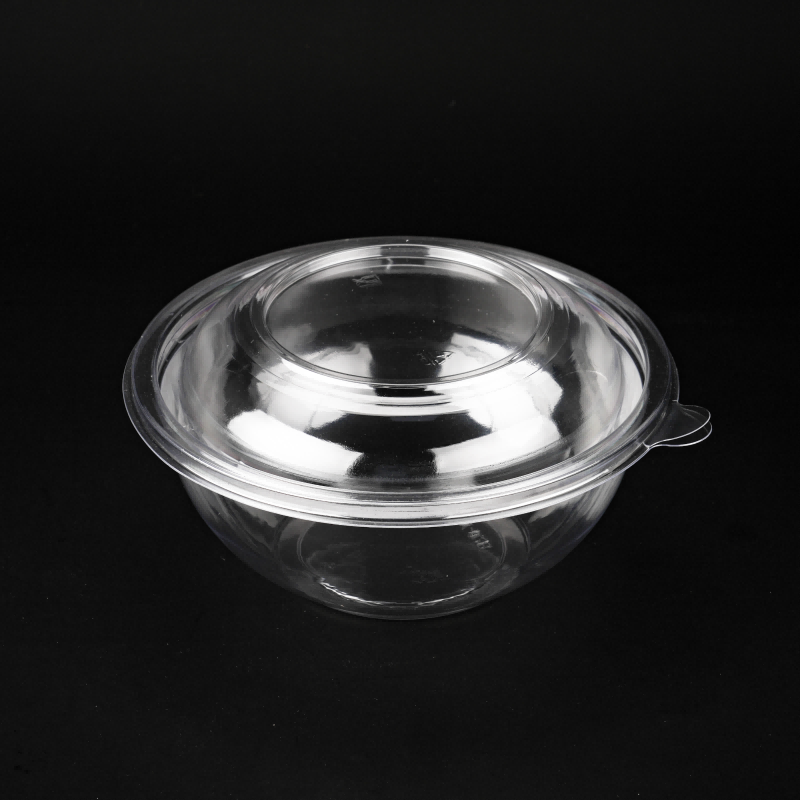
Size selection directly impacts purchasing behavior, perceived value, and operational workflow efficiency. The most popular sizes for PET Clear Salad Containers in the grab-and-go segment typically range from 16 ounces to 48 ounces, with distinct usage patterns emerging across different market segments. Smaller containers serve snack-sized portions and side salads, medium sizes dominate the main meal category, and larger formats cater to family-style offerings or meal prep consumers. This article examines the specific size preferences that drive popularity in retail environments, explores the functional reasons behind these preferences, and provides actionable guidance for foodservice operators seeking to align their packaging strategy with current market demand patterns.
Understanding the Core Size Categories in Grab-and-Go Salad Retail
The Small Format Range for Individual Portions
The 16-ounce to 24-ounce range represents the most popular size category for individual grab-and-go salad portions. These PET Clear Salad Containers are specifically designed to hold single-serving salads that function as complete meals for the average consumer. The 16-ounce format typically accommodates lighter salad options with minimal toppings and dressing, making it ideal for breakfast salads, side salads, or calorie-conscious meal choices. The transparency of PET Clear Salad Containers in this size range allows consumers to instantly assess ingredient freshness, portion density, and color variety, which significantly influences purchasing decisions at the point of sale.
The 24-ounce format has gained particular traction as a standard main meal size because it provides sufficient volume for mixed greens, protein additions, multiple vegetable components, and dressing while maintaining portability. This size strikes an optimal balance between perceived value and manageable consumption, making it the default choice for urban professionals seeking nutritious lunch options. Operators favor this size because it allows for consistent portioning control, reduces protein costs compared to larger formats, and minimizes food waste from unconsumed product. The structural design of PET Clear Salad Containers in this category typically includes secure closure mechanisms that prevent leakage during transport, addressing a primary consumer concern in mobile dining scenarios.
The Medium Format Range for Premium Meal Experiences
The 32-ounce category represents the sweet spot for premium grab-and-go salad offerings that command higher price points and target consumers seeking substantial, chef-inspired meal experiences. This size allows foodservice operators to incorporate multiple protein options, grain bases, diverse vegetable varieties, and premium toppings while maintaining visual appeal through the clarity of PET Clear Salad Containers. The additional volume enables more complex flavor layering and textural contrast, which justifies premium positioning in competitive retail environments. Restaurants expanding into grab-and-go channels frequently select this size to translate their dine-in quality into portable formats.
This medium format also serves the growing market segment of consumers who prioritize protein intake, requiring larger portions of chicken, salmon, tofu, or other protein sources alongside vegetable components. The depth and diameter specifications of 32-ounce PET Clear Salad Containers facilitate proper layering techniques that prevent ingredient mixing during transport, preserving the intended eating experience. Operators report that this size achieves optimal display density on refrigerated shelves while providing enough surface area for effective labeling that communicates ingredient sourcing, nutritional information, and brand storytelling. The popularity of this format continues to grow in corporate cafeterias, hospital foodservice operations, and airport retail locations where consumers expect restaurant-quality meals in convenient packaging.
The Large Format Range for Sharing and Meal Prep
The 40-ounce to 48-ounce range addresses specific market needs that extend beyond individual consumption patterns. These larger PET Clear Salad Containers serve two primary consumer segments: families seeking shared meal options and meal prep enthusiasts preparing multiple servings for future consumption. The 48-ounce format has gained particular popularity in suburban grocery stores with strong prepared foods programs, where consumers purchase family-style salads as complete dinner solutions. The visual merchandising advantage of PET Clear Salad Containers becomes even more pronounced in this size range, as the larger format creates impressive shelf presence that communicates abundance and value.
Meal prep consumers represent a rapidly growing demographic that purchases larger-format salads with the intention of dividing the contents into multiple meals throughout the week. This usage pattern has influenced design modifications in PET Clear Salad Containers, with manufacturers developing formats that facilitate easy portioning after purchase. The durability characteristics of PET material become particularly important in this size range, as containers must withstand repeated opening and closing while maintaining seal integrity. Operators targeting this segment typically develop distinct salad compositions that maintain quality over several days of refrigerated storage, focusing on hearty greens, stable proteins, and separate dressing compartments that prevent premature wilting.
Functional Factors Driving Size Popularity in Commercial Settings
Display Efficiency and Refrigeration Optimization
The popularity of specific PET Clear Salad Containers sizes correlates directly with refrigerated display case dimensions and shelf configuration standards prevalent in retail environments. The 24-ounce and 32-ounce formats have achieved dominant market positions partly because their footprint dimensions align perfectly with standard refrigerated merchandising units used across convenience stores, supermarkets, and foodservice locations. This dimensional compatibility allows operators to maximize product facings per linear foot of refrigerated space, directly impacting sales velocity and inventory turnover rates. The stackability characteristics of PET Clear Salad Containers in these popular sizes enable efficient vertical merchandising that increases display capacity without requiring additional refrigeration equipment investment.
Temperature management considerations also influence size selection patterns, as smaller surface-area-to-volume ratios in certain container dimensions provide superior temperature retention during brief periods outside refrigeration. The thermal properties of PET Clear Salad Containers combined with optimal size selection ensure that products maintain food safety temperature ranges throughout the consumer selection and payment process. Operators in high-volume locations prioritize sizes that allow rapid restocking without disrupting display aesthetics, making the standardization around popular sizes a significant operational advantage. The visual continuity created by consistent container sizes across product lines also reinforces brand recognition and simplifies consumer decision-making in crowded grab-and-go sections.
Portioning Precision and Cost Management
The popularity of standardized PET Clear Salad Containers sizes stems partly from their role in controlling food costs through precise portioning strategies. Foodservice operators develop detailed portioning specifications that assign exact ingredient weights to specific container sizes, enabling kitchen staff to maintain consistency across production batches. The 24-ounce format, for example, typically corresponds to portioning protocols that allocate specific ounce counts for base greens, protein, vegetables, and toppings, creating predictable cost structures that support menu pricing strategies. The clarity of PET Clear Salad Containers allows quality control personnel to visually verify proper portioning compliance without opening containers, reducing waste from rejected products.
This portioning precision becomes particularly valuable in multi-unit operations where maintaining brand consistency across locations requires standardized packaging specifications. The most popular PET Clear Salad Containers sizes have become de facto industry standards that suppliers recognize, simplifying procurement processes and enabling volume purchasing advantages. Operators can develop centralized production facilities that prepare salads in standardized containers for distribution across multiple retail points, leveraging economies of scale while ensuring consistent customer experiences. The durability of PET material in these popular sizes also reduces breakage during transport between production and retail locations, further contributing to cost efficiency.
Consumer Perception and Value Communication
The psychological factors influencing consumer size preferences significantly impact which PET Clear Salad Containers dimensions achieve market popularity. Research indicates that consumers associate specific container sizes with particular meal occasions and price points, creating expectation frameworks that operators must address through size selection. The 32-ounce format, for instance, visually communicates premium quality and complete meal satisfaction, justifying price points that may reach fifteen dollars or higher in urban markets. The transparency of PET Clear Salad Containers amplifies this value perception by making all ingredients immediately visible, allowing consumers to mentally calculate ingredient costs and assess fairness in pricing.
Container size also influences perceived freshness and preparation timing, with consumers often assuming that smaller containers indicate more frequent production cycles and therefore fresher contents. This perception has contributed to the sustained popularity of the 24-ounce format in locations emphasizing turnover and daily preparation. The physical comfort of handling different PET Clear Salad Containers sizes during the selection and transport process also affects popularity, with middle-range sizes offering the best balance between substantial appearance and comfortable portability. Operators who align container size selection with consumer psychographic profiles report higher conversion rates and reduced product returns compared to those using inconsistent or non-standard sizing approaches.
Market Segment Variations in Size Preferences
Quick Service Restaurant Applications
Quick service restaurants entering the fresh salad category demonstrate distinct size preference patterns that reflect their operational models and customer expectations. The 20-ounce to 24-ounce range dominates this segment because it aligns with the portion sizes consumers expect at quick service price points while supporting the rapid service expectations inherent to this restaurant category. PET Clear Salad Containers in this size range integrate smoothly into existing quick service workflows, fitting standard bag sizes and facilitating efficient order assembly during peak service periods. The clarity advantage of these containers serves as a quality signal that differentiates fresh salad offerings from other menu categories traditionally associated with quick service environments.
Drive-through functionality represents a unique consideration for quick service operators selecting PET Clear Salad Containers sizes, as containers must fit securely in standard vehicle cup holders or bag configurations. The most popular sizes in this segment feature width-to-height ratios optimized for vehicle interior spaces, preventing tipping during transport. Quick service chains also prioritize container sizes that accommodate their proprietary dressing packaging systems, whether integrated compartments or separate containers, ensuring that the complete meal experience translates effectively to mobile consumption. The standardization around specific sizes enables these chains to negotiate favorable pricing with packaging suppliers while maintaining consistency across franchise systems.
Corporate Cafeteria and Institutional Foodservice
Corporate cafeterias and institutional foodservice operations exhibit size preferences influenced by their unique operational characteristics and customer base demographics. The 28-ounce to 32-ounce range achieves highest popularity in these settings because it accommodates the hearty portions expected by employees purchasing lunch as their primary daily meal. PET Clear Salad Containers in this size category support the build-your-own salad bar concept that many corporate cafeterias employ, where employees select base ingredients and toppings according to personal preferences. The container clarity becomes essential in these self-service applications, allowing employees to assess their selections before sealing and facilitating visual portion control.
Institutional foodservice operators also value container sizes that align with their nutritional program goals and wellness initiatives. The popularity of 32-ounce PET Clear Salad Containers in healthcare foodservice reflects their capacity to deliver complete, nutritionally balanced meals that meet dietary guidelines while remaining visually appealing. Educational institution foodservice programs increasingly adopt standardized container sizes that simplify allergen labeling requirements and nutritional information display, making popular formats even more entrenched as operational standards. The durability of PET material in these frequently-handled settings reduces replacement costs and maintains presentation quality throughout service periods.
Grocery Store Prepared Foods Departments
Grocery store prepared foods departments demonstrate the broadest range of PET Clear Salad Containers size offerings because they serve diverse customer missions from quick lunch solutions to family dinner components. However, market data reveals that the 24-ounce and 32-ounce sizes generate the highest sales velocity and turnover rates in this channel. The 24-ounce format serves the weekday lunch shopper seeking convenient meal solutions, while the 32-ounce size appeals to dinner shoppers looking for more substantial offerings or light dinner options. Grocery operators benefit from the extended shelf life that PET Clear Salad Containers provide, allowing production in morning shifts for all-day sales periods without quality degradation.
The visual merchandising requirements of grocery prepared foods sections heavily influence size popularity, as containers must create attractive displays that compete with numerous other prepared food categories. The transparency of PET Clear Salad Containers enables dramatic color presentations that draw shoppers into the prepared foods section, with popular sizes offering optimal surface area for ingredient visibility. Grocery retailers also report that standardizing around two or three core sizes simplifies inventory management, reduces packaging costs through volume purchasing, and accelerates staff training for production processes. The popularity patterns in this channel often set broader market trends, as grocery stores represent the highest-volume prepared salad sales channel in most markets.
Design Features That Enhance Size Functionality
Closure Systems and Leak Prevention
The effectiveness of closure systems in PET Clear Salad Containers directly correlates with the sustained popularity of specific sizes in grab-and-go applications. The most popular sizes incorporate secure-fit lid designs that create reliable seals without requiring excessive force during closure, addressing the dual concerns of food safety and user convenience. In the 24-ounce and 32-ounce ranges, manufacturers have developed specialized hinge and snap-lock mechanisms that maintain seal integrity even when containers experience typical handling stresses during transport and display. The clarity of PET material extends to lid components in these popular sizes, allowing consumers to inspect closure quality before purchase and foodservice staff to verify proper sealing after production.
Leak prevention capabilities become increasingly critical as container size increases and internal ingredient weights create greater pressure on closure points. The engineering advances in PET Clear Salad Containers have enabled popular sizes to incorporate multiple seal points that distribute stress across broader surface areas, virtually eliminating the leakage problems that plagued earlier generation containers. Operators selecting among different sizes prioritize those with proven leak prevention track records, as a single leakage incident can damage brand reputation and customer loyalty. The most popular container sizes benefit from extensive field testing and iterative design refinements that have optimized their closure systems for real-world usage conditions.
Dressing Compartment Integration
The integration or accommodation of separate dressing compartments significantly influences which PET Clear Salad Containers sizes achieve market popularity. The 24-ounce and 32-ounce formats most successfully incorporate integrated dressing wells that maintain ingredient separation while preserving the single-container convenience that consumers prefer. These integrated designs eliminate the need for separate dressing containers that increase packaging costs and complicate the consumer experience. The transparency advantage of PET Clear Salad Containers extends to these dressing compartments, allowing consumers to see dressing quantity and confirm that separation barriers remain intact during handling.
Alternative approaches in popular container sizes include removable dressing cups that nest within the main container cavity, providing separation while maintaining compact packaging dimensions. The most successful PET Clear Salad Containers sizes feature dressing solutions that balance sufficient volume for flavorful dressing application against the need to maximize space for salad ingredients. Operators report that container sizes with well-designed dressing integration achieve higher customer satisfaction scores and reduced complaint rates compared to formats requiring external dressing packaging. The ongoing evolution of dressing compartment designs in popular sizes reflects manufacturer responsiveness to operator feedback and competitive differentiation efforts.
Stackability and Storage Efficiency
The stackability characteristics of different PET Clear Salad Containers sizes significantly impact their popularity among operators managing limited preparation and storage space. The most popular sizes feature rim designs and dimensional specifications that enable stable stacking up to twelve units high without compromising structural integrity or risking tip-over incidents. This stacking efficiency directly affects kitchen workflow efficiency, refrigerated storage capacity utilization, and transport logistics between production and retail locations. The 24-ounce and 32-ounce formats have achieved dominance partly because their dimensional ratios create optimal stability when stacked, reducing breakage rates and product loss.
Nested storage capabilities during the empty container phase also influence operator preferences, with popular sizes typically achieving nesting ratios that reduce storage space requirements by seventy to eighty percent compared to filled dimensions. This space efficiency becomes particularly valuable for operators with limited dry storage areas or those operating multiple locations supplied from central commissaries. The structural rigidity of PET Clear Salad Containers in popular sizes maintains consistent dimensions throughout their lifecycle, ensuring that stacking and nesting characteristics remain reliable across production volumes. Operators consistently cite storage efficiency as a top-three factor when selecting container sizes for their operations.
Future Trends Influencing Size Evolution
Sustainability Pressures and Material Innovation
Emerging sustainability requirements and consumer environmental consciousness are beginning to influence size popularity patterns in PET Clear Salad Containers. Regulatory initiatives in various jurisdictions establishing minimum recycled content requirements favor container sizes with established recycling infrastructure and material recovery streams. The most popular sizes benefit from economies of scale in recycled PET sourcing, allowing manufacturers to meet sustainability targets while maintaining cost competitiveness. Forward-thinking operators increasingly select container sizes that align with circular economy principles, anticipating future regulatory requirements and consumer expectations around packaging sustainability.
Material innovation efforts focused on reducing wall thickness while maintaining structural performance may shift optimal size specifications as new PET formulations become commercially available. These lightweighting initiatives aim to reduce material consumption without compromising the clarity and durability advantages that make PET Clear Salad Containers popular in grab-and-go applications. Container sizes that successfully incorporate lightweighted materials while preserving functionality will likely gain market share as sustainability becomes a more prominent purchasing factor. The transparency of PET material will remain central to consumer appeal regardless of formulation changes, ensuring that clear containers continue dominating the salad packaging category.
Customization and Personalization Demands
The growing consumer demand for customized meal experiences is influencing how operators approach PET Clear Salad Containers size selection and assortment strategies. Rather than offering numerous sizes with fixed ingredient compositions, leading operators increasingly adopt two or three core sizes that accommodate variable ingredient selections within standardized container formats. This approach leverages the visual transparency of PET Clear Salad Containers to showcase customization while simplifying operational complexity. The 28-ounce to 32-ounce range has emerged as optimal for customizable concepts because it provides sufficient volume for diverse ingredient combinations while maintaining manageable pricing.
Digital ordering integration and app-based customization platforms enable operators to offer complex build-your-own salad options within standardized container sizes, improving kitchen efficiency while delivering personalized experiences. The clarity of PET Clear Salad Containers becomes particularly valuable in these applications, as consumers receiving customized orders can immediately verify that their specific requests were fulfilled. Popular container sizes in this emerging model feature modular internal organization that accommodates varying ingredient volumes while maintaining attractive presentation. This trend suggests that future size popularity may depend less on absolute volume specifications and more on versatility across diverse ingredient configurations.
Health-Conscious Portion Control
Increasing consumer focus on portion control and nutritional transparency is creating opportunities for smaller PET Clear Salad Containers sizes that might previously have been considered too limited for main meal applications. The 16-ounce to 20-ounce range is experiencing renewed interest as operators develop nutrient-dense salad formulations that deliver complete nutrition in more compact formats. The transparency of PET Clear Salad Containers supports this trend by allowing consumers to assess ingredient density and verify that smaller containers still deliver satisfying meal experiences. This shift challenges traditional assumptions about size popularity and suggests that future market leaders may include formats currently considered secondary.
Operators targeting weight management programs, corporate wellness initiatives, and calorie-conscious demographics report strong performance from smaller container sizes paired with premium ingredients and sophisticated flavor profiles. These applications demonstrate that container size popularity reflects not just physical dimensions but also the value proposition and target market alignment of the complete product offering. The most successful implementations in this category use PET Clear Salad Containers to visually communicate quality and ingredient integrity, overcoming potential consumer skepticism about smaller portions. This trend may reshape size popularity hierarchies as health-conscious consumption patterns continue expanding across demographic segments.
FAQ
What is the most universally popular size for PET Clear Salad Containers in grab-and-go applications?
The 24-ounce to 32-ounce range represents the most universally popular size category for PET Clear Salad Containers across diverse grab-and-go applications. This size range effectively balances consumer expectations for complete meal satisfaction against operational requirements for cost control and efficient merchandising. The 24-ounce format specifically has achieved market dominance as a standard individual serving size that accommodates mixed greens, protein, vegetables, and dressing while remaining comfortably portable. The transparency of PET Clear Salad Containers in this size range optimally showcases ingredient variety and freshness, directly influencing purchasing decisions at the point of sale.
How do container size preferences differ between urban and suburban markets?
Urban markets typically demonstrate stronger preferences for the 20-ounce to 24-ounce range of PET Clear Salad Containers, reflecting the dominance of individual consumption occasions and the premium placed on portability in dense metropolitan environments. Urban consumers frequently purchase grab-and-go salads for immediate consumption during commutes or at office desks, prioritizing containers that fit comfortably in bags and vehicle cup holders. Suburban markets show broader size distribution with stronger performance in the 32-ounce to 48-ounce range, as consumers more frequently purchase salads for home consumption or family sharing. The clarity advantage of PET Clear Salad Containers serves both markets but fulfills different assessment needs, with urban consumers evaluating freshness for immediate consumption and suburban consumers assessing value for later meals.
What role does container depth versus diameter play in size popularity?
The depth-to-diameter ratio significantly influences both consumer perception and operational functionality in PET Clear Salad Containers, directly affecting size popularity. Containers with wider diameters and shallower depths, common in the 24-ounce to 28-ounce range, create superior visual merchandising impact by maximizing surface area for ingredient display through the clear top surface. This configuration enhances the transparency advantage of PET Clear Salad Containers by presenting ingredients in spread arrangements rather than stacked layers. Conversely, deeper containers with narrower diameters, typical in 32-ounce to 40-ounce formats, optimize refrigerated shelf space utilization and support layered presentation techniques that maintain ingredient separation. Popular sizes typically achieve balanced ratios that serve both merchandising and functional requirements.
Are larger PET Clear Salad Containers sizes growing or declining in popularity?
Larger PET Clear Salad Containers in the 40-ounce to 48-ounce range are experiencing selective growth in specific market segments rather than universal adoption across all channels. The meal prep consumer segment and family-oriented suburban grocery stores show increasing demand for these larger formats as consumers seek value and convenience in preparing multiple meals from single purchases. However, the overall grab-and-go market remains centered on individual portion sizes in the 24-ounce to 32-ounce range due to the dominance of single-serve consumption occasions. The transparency of PET Clear Salad Containers provides particular value in larger formats by allowing consumers to assess ingredient distribution throughout the entire container volume, addressing concerns about inconsistent composition in bigger packages. Market projections suggest stable rather than dramatic growth for larger sizes as they serve established niche segments rather than displacing popular mid-range formats.
Table of Contents
- Understanding the Core Size Categories in Grab-and-Go Salad Retail
- Functional Factors Driving Size Popularity in Commercial Settings
- Market Segment Variations in Size Preferences
- Design Features That Enhance Size Functionality
- Future Trends Influencing Size Evolution
-
FAQ
- What is the most universally popular size for PET Clear Salad Containers in grab-and-go applications?
- How do container size preferences differ between urban and suburban markets?
- What role does container depth versus diameter play in size popularity?
- Are larger PET Clear Salad Containers sizes growing or declining in popularity?