 EN
EN

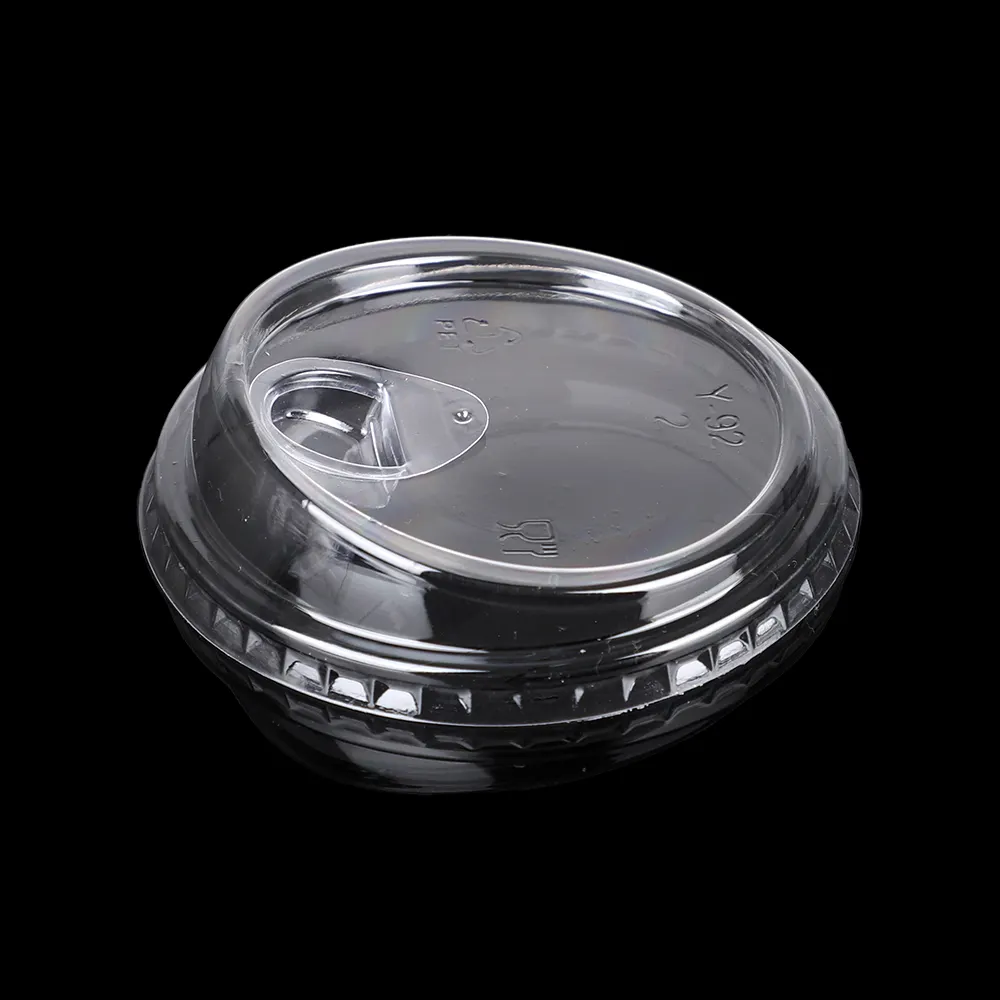
The design of coffee cup lids represents a subtle yet critical engineering challenge in the beverage packaging industry. While coffee cup lids appear simple, their internal structure must solve a fundamental problem: allowing steam to escape safely without compromising the seal that prevents spillage. The vent hole design in coffee cup lids is essential for maintaining both safety and functionality, particularly when consumers handle hot beverages immediately after purchase. Understanding how these vent holes work reveals the sophisticated thinking behind everyday packaging that most people never consciously notice.

Modern coffee cup lids incorporate precisely engineered vent holes that serve as pressure-release mechanisms. These small openings, typically positioned near the rim or integrated into the lid structure, allow steam pressure to gradually escape from the sealed container. The strategic placement and size of these vent holes in coffee cup lids prevent the buildup of internal pressure that could otherwise cause the lid to pop off unexpectedly or force hot liquid through the drinking spout. This design principle applies across all premium disposable coffee cup lids, from casual coffee shops to specialized beverage services.
The Physics of Steam Release in Coffee Cup Lids
Understanding Pressure Buildup and Heat Management
When hot coffee is poured into a sealed container, the liquid rapidly heats the air space above it, creating steam. Without proper ventilation, this steam accumulates and increases internal pressure, creating a potentially dangerous situation. Coffee cup lids must manage this thermal pressure through carefully positioned vent holes that allow steam to escape gradually rather than suddenly. The vent hole design in coffee cup lids balances two competing objectives: releasing enough pressure to maintain safety while retaining enough structural integrity to prevent liquid from leaking sideways or backward through the opening.
The size of the vent hole in coffee cup lids typically ranges from 1.5 to 3 millimeters in diameter, depending on the lid's material and intended use. This seemingly small dimension is critical because a hole too large will compromise the seal and allow spillage, while a hole too small will fail to release pressure efficiently. Engineers designing coffee cup lids conduct extensive testing to determine the optimal vent hole dimensions for different lid styles and material thicknesses. The hole is usually located at the highest point of the lid's dome, allowing steam to rise naturally toward the opening.
Directional Steam Flow and Spillage Prevention
A sophisticated aspect of coffee cup lids is how the vent hole design directs steam flow away from the user. Rather than allowing steam to escape directly upward, most modern coffee cup lids feature angled or curved vent passages that channel steam to the side or toward the back of the lid. This design prevents the user's face and hands from experiencing sudden steam jets when removing the lid or taking the first sip. Premium coffee cup lids often incorporate a small lip or baffle around the vent hole that prevents liquid from traveling backward through the opening during normal handling.
The relationship between the vent hole and the drinking spout in coffee cup lids creates an interesting fluid dynamics challenge. When a consumer sips from the spout, they create slight suction that would normally cause liquid to flow upward. However, the presence of the vent hole allows air to enter the container, preventing a vacuum from forming. This balance in coffee cup lids makes drinking ergonomic and prevents the uncomfortable sensation of resistance when sipping hot beverages. Without this atmospheric equalization through the vent hole, coffee cup lids would create resistance that makes drinking difficult.
Material Selection and Ventilation Performance
Thermoplastic Properties and Vent Hole Durability
Coffee cup lids are typically manufactured from polypropylene or other thermoplastics that can withstand the thermal stress of hot beverages. The material choice directly influences how the vent hole performs over time. Polypropylene coffee cup lids maintain dimensional stability across the temperature range from hot coffee to ambient conditions, ensuring the vent hole remains consistent in size and function. As the lid cools after contact with hot liquid, the material contracts slightly, but well-engineered coffee cup lids account for this thermal movement to keep the vent hole functioning properly throughout the beverage's consumption period.
The thickness of coffee cup lids typically ranges from 0.5 to 1.2 millimeters, with thicker versions providing greater structural integrity. When manufacturers design the vent hole in coffee cup lids, they must consider how the surrounding material will respond to repeated thermal cycling. A vent hole that is too small relative to the lid thickness can become effectively blocked by material warping or condensation. Conversely, coffee cup lids with thinner sections around the vent hole may develop stress cracks that enlarge the opening unintentionally. Advanced manufacturing processes ensure consistent vent hole geometry across all units of a given design.
Surface Coating and Vapor Barrier Effects
Some premium coffee cup lids feature internal coatings that enhance water resistance and prevent liquid seepage. These coatings must not obstruct the vent hole or impede steam release. Manufacturers carefully apply coatings in a manner that preserves the vent hole's functionality in coffee cup lids while improving overall performance. The coating thickness around the vent opening is controlled precisely to prevent buildup that would reduce the effective opening size. This attention to detail ensures that the vent hole in coffee cup lids remains a reliable pressure-release mechanism regardless of internal coating presence.
Practical Applications and Industrial Testing
Quality Control and Performance Validation
Manufacturers of coffee cup lids conduct rigorous testing protocols to verify that the vent hole design functions correctly across a range of conditions. Standard testing for coffee cup lids includes pressure resistance tests that measure how much internal pressure the lid can withstand before failure. These tests confirm that the vent hole in coffee cup lids releases excess pressure before dangerous levels are reached. Additionally, thermal cycling tests expose coffee cup lids to repeated heating and cooling to simulate real-world use patterns and ensure the vent hole maintains consistent performance.
Spillage testing for coffee cup lids involves tilting sealed containers at various angles to confirm that the vent hole design prevents liquid from escaping through the opening. This validation is critical because if the vent hole allowed liquid to leak, the product would fail quality standards. Engineers adjust the vent hole geometry in coffee cup lids based on test results, sometimes incorporating subtle design changes like micro-ridges or strategic placement adjustments. This iterative improvement process ensures that each generation of coffee cup lids performs better than previous versions.
User Comfort and Safety Considerations
The vent hole design in coffee cup lids significantly impacts user experience and safety. A properly functioning vent allows consumers to drink hot beverages without experiencing condensation buildup on the lid exterior or resistance when sipping. Coffee cup lids with effective vent hole design reduce the risk of steam burns because pressure is released gradually rather than explosively. This design consideration is particularly important for quick-service restaurants and coffee shops where rapid consumption is common and safety concerns are paramount.
Beyond immediate thermal safety, the vent hole in coffee cup lids also affects long-term product shelf life. When coffee cup lids are stacked and stored, proper venting prevents moisture accumulation between stacked units. This maintains the integrity of the packaging material and ensures that coffee cup lids remain clean and ready for use. Warehouse conditions, temperature fluctuations, and humidity levels all influence how important this ventilation function becomes during storage and transportation.
FAQ
Why don't vent holes in coffee cup lids allow liquid to leak out?
The vent hole design in coffee cup lids is positioned at the highest point of the lid's dome where liquid naturally settles at the bottom of the cup. The small diameter of the vent hole, combined with surface tension and the strategic angle of the internal passage, prevents liquid from escaping through this opening during normal handling. Gravity and the lid's seal work together to ensure that only steam and air can readily pass through the vent hole while liquid remains contained within the cup.
How does the vent hole in coffee cup lids improve drinking comfort?
When you sip from a sealed cup without a vent hole, your mouth creates suction that draws liquid upward against resistance, making the experience uncomfortable and effortful. The vent hole in coffee cup lids allows air to enter the container as you drink, equalizing atmospheric pressure and enabling smooth, natural sipping. This ventilation design is essential for consumer satisfaction and explains why all modern coffee cup lids incorporate some form of pressure-relief opening to enhance the drinking experience.
What happens if the vent hole design in coffee cup lids is too small?
If the vent hole in coffee cup lids is too small, steam cannot escape efficiently, leading to pressure buildup that may cause the lid to pop off unexpectedly or force hot liquid through the drinking spout. Additionally, insufficient ventilation through coffee cup lids creates a partial vacuum when sipping, making it difficult and uncomfortable to drink. Proper vent hole sizing in coffee cup lids balances safety, functionality, and user comfort, which is why manufacturers spend considerable effort optimizing this critical design element.