 EN
EN

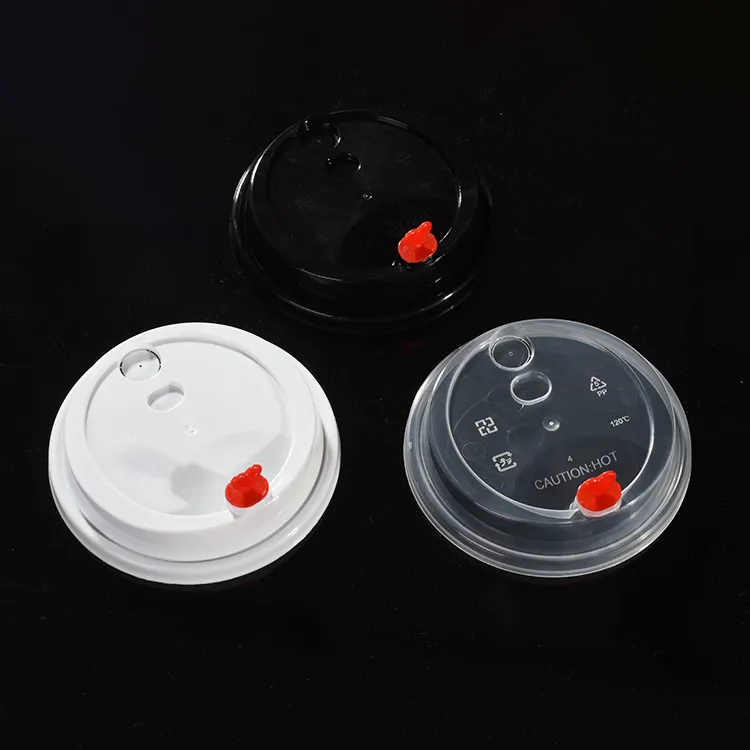
Selecting the right coffee cup lids requires understanding the specific features that prevent splashes and spills during daily use. Whether you're managing a busy café, running a food service operation, or simply seeking reliable lids for your personal coffee consumption, the choice of coffee cup lids directly impacts both customer satisfaction and operational efficiency. Many professionals overlook this crucial detail, yet the quality of coffee cup lids determines whether beverages arrive safely at their destination or create messy, costly incidents.
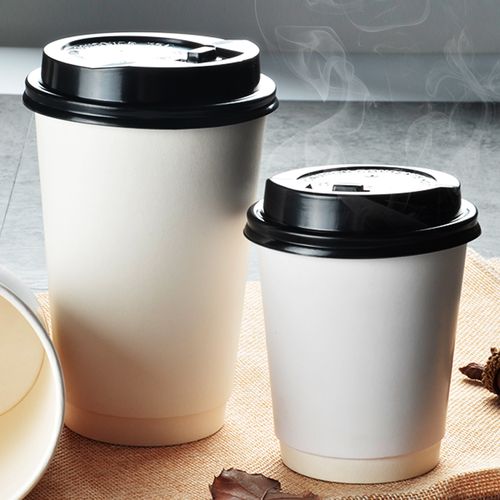
The challenge of finding effective coffee cup lids lies not in complexity but in knowing which attributes matter most. Understanding the mechanics of spill prevention, material durability, and design features will empower you to make informed decisions that reduce waste, enhance customer experience, and align with your operational requirements. This guide walks through the essential criteria for selecting coffee cup lids that truly deliver leak-proof performance.
Critical Design Features in Coffee Cup Lids
Seal Quality and Closure Mechanism
The seal quality of coffee cup lids represents the foundation of spill prevention. Premium coffee cup lids incorporate dual-seal designs where the rim contact surface creates an airtight barrier when pressed onto the cup. This mechanism relies on precise engineering to ensure that the lid edge aligns perfectly with the cup's lip, leaving no gaps where liquid can escape. Inferior coffee cup lids often feature single-seal designs that fail under pressure or temperature changes, allowing hot beverages to leak during transport or consumption.
The closure mechanism should require minimal force to apply while providing maximum holding power once seated. Quality coffee cup lids use reinforced polymers and elastomer materials that maintain structural integrity across temperature fluctuations, preventing warping that compromises the seal. When evaluating coffee cup lids, test the resistance during application and removal to confirm the closure feels secure without excessive friction.
Ventilation Hole Design
Most coffee cup lids include a small ventilation hole that prevents pressure buildup and allows controlled sipping. However, poorly designed coffee cup lids feature oversized or poorly positioned ventilation holes that become unintended escape routes for liquid. Superior coffee cup lids incorporate strategically positioned, precision-drilled ventilation holes that minimize splash while allowing adequate airflow. The ideal design channels vapor upward away from the drinker while preventing splashing when the cup is tilted or moved quickly.
Material Selection and Performance Standards
Polymer Type and Durability
Coffee cup lids made from polypropylene and polyethylene terephthalate offer superior durability compared to lower-grade plastics. These materials withstand repeated use cycles, high temperatures up to 180 degrees Fahrenheit, and the weight of beverages without degrading or becoming brittle. When selecting coffee cup lids, verify the material composition on packaging or supplier documentation. Food-grade polymers used in quality coffee cup lids resist staining, odor absorption, and chemical interaction with beverages.
Thicker-gauge coffee cup lids provide better rigidity and resist deformation when stacked or compressed during transport. Thin, flimsy coffee cup lids collapse under pressure or when exposed to hot liquids, creating potential weak points where leakage occurs. Industrial users should prioritize coffee cup lids manufactured with consistent gauge thickness across the entire lid structure, including the rim, dome, and ventilation areas.
Environmental and Regulatory Compliance
Modern business operations increasingly require coffee cup lids that meet food safety and environmental standards. Regulatory-compliant coffee cup lids carry certifications confirming their suitability for direct contact with beverages and adherence to health codes. Additionally, many organizations now seek coffee cup lids manufactured from recycled or compostable materials. Sourcing compliant coffee cup lids protects your business from liability while demonstrating commitment to customer safety and environmental responsibility.
Practical Selection Criteria and Application Fit
Cup Compatibility and Sizing
Coffee cup lids must match your existing cup specifications precisely for optimal sealing performance. Universal sizing claims often mask poor fitment that leads to splashing and spills. Standard coffee cup lids come in three primary sizes: small for four to six-ounce cups, medium for eight to twelve-ounce cups, and large for sixteen to twenty-ounce containers. Measure your cups accurately and confirm that the coffee cup lids you select have lip diameters matching your cup specifications exactly.
Mismatched coffee cup lids create gaps that allow liquid to escape regardless of seal quality. Some manufacturers produce coffee cup lids with adjustable or flexible rims intended to accommodate minor size variations, though these typically compromise performance compared to precision-fitted options. Test a sample batch of coffee cup lids on your actual cups before committing to bulk orders, particularly when changing suppliers or lid styles.
Operational Volume and Storage Considerations
High-volume operations require coffee cup lids available in bulk packaging that maintains product integrity and accessibility. Coffee cup lids stored in humid environments may stick together, compromising individual product usability. Select coffee cup lids packaged in waxed paper sleeves or moisture-resistant materials that protect against humidity and contamination. Organize your storage to maintain cool, dry conditions that preserve coffee cup lids' structural properties and seal effectiveness throughout their shelf life.
Consider the dispensing ease when evaluating coffee cup lids for operational workflow. Lids that separate easily from the stack reduce employee frustration and service delays. Premium coffee cup lids feature slightly textured surfaces or anti-stick treatments that prevent clumping while maintaining sufficient friction for secure application to cups. Efficiency gains from well-designed coffee cup lids directly reduce labor costs and improve service consistency.
Cost Efficiency Without Compromising Quality
Price differences among coffee cup lids often reflect material quality, seal engineering, and manufacturing precision rather than unnecessary markup. Budget coffee cup lids may seem economical initially but generate hidden costs through customer complaints, replacement requirements, and potential liability from spills. Evaluating total cost of ownership rather than per-unit pricing reveals that quality coffee cup lids deliver better financial outcomes over time.
Negotiate volume discounts with suppliers who provide coffee cup lids meeting your performance standards. Building long-term relationships with reliable suppliers of quality coffee cup lids ensures consistent product availability and performance. Request samples from multiple sources and conduct blind testing to identify which coffee cup lids deliver superior splash prevention and customer satisfaction without unnecessary premium pricing.
FAQ
What makes coffee cup lids effective at preventing splashes?
Effective coffee cup lids combine precision-engineered seals that create airtight closure, strategically designed ventilation holes, and durable materials resistant to warping. The seal quality depends on perfect rim contact with the cup lip, while controlled ventilation prevents pressure buildup that forces liquid out. Premium coffee cup lids use reinforced polymers that maintain structural integrity across temperature changes, ensuring consistent performance throughout daily use.
How do I know if coffee cup lids fit my cups properly?
Properly fitted coffee cup lids sit flush on the cup rim without gaps or wobbling when pressed gently into place. Measure your cup's outer lip diameter and compare it to the coffee cup lids' specifications before purchasing. Test a sample pack of coffee cup lids on your actual cups, attempting gentle tilting and movement to confirm they maintain a secure seal. If lids shift, separate, or require excessive force to apply, they do not fit your cups correctly.
Are more expensive coffee cup lids always better quality?
Price does not automatically indicate quality in coffee cup lids, though extremely low prices typically signal compromised materials or engineering. Evaluate coffee cup lids based on material composition, seal design, compatibility testing, and customer reviews rather than price alone. Many mid-range coffee cup lids offer excellent splash prevention and durability at reasonable costs, while some premium options include unnecessary features that don't improve leak-proof performance for standard applications.