 EN
EN

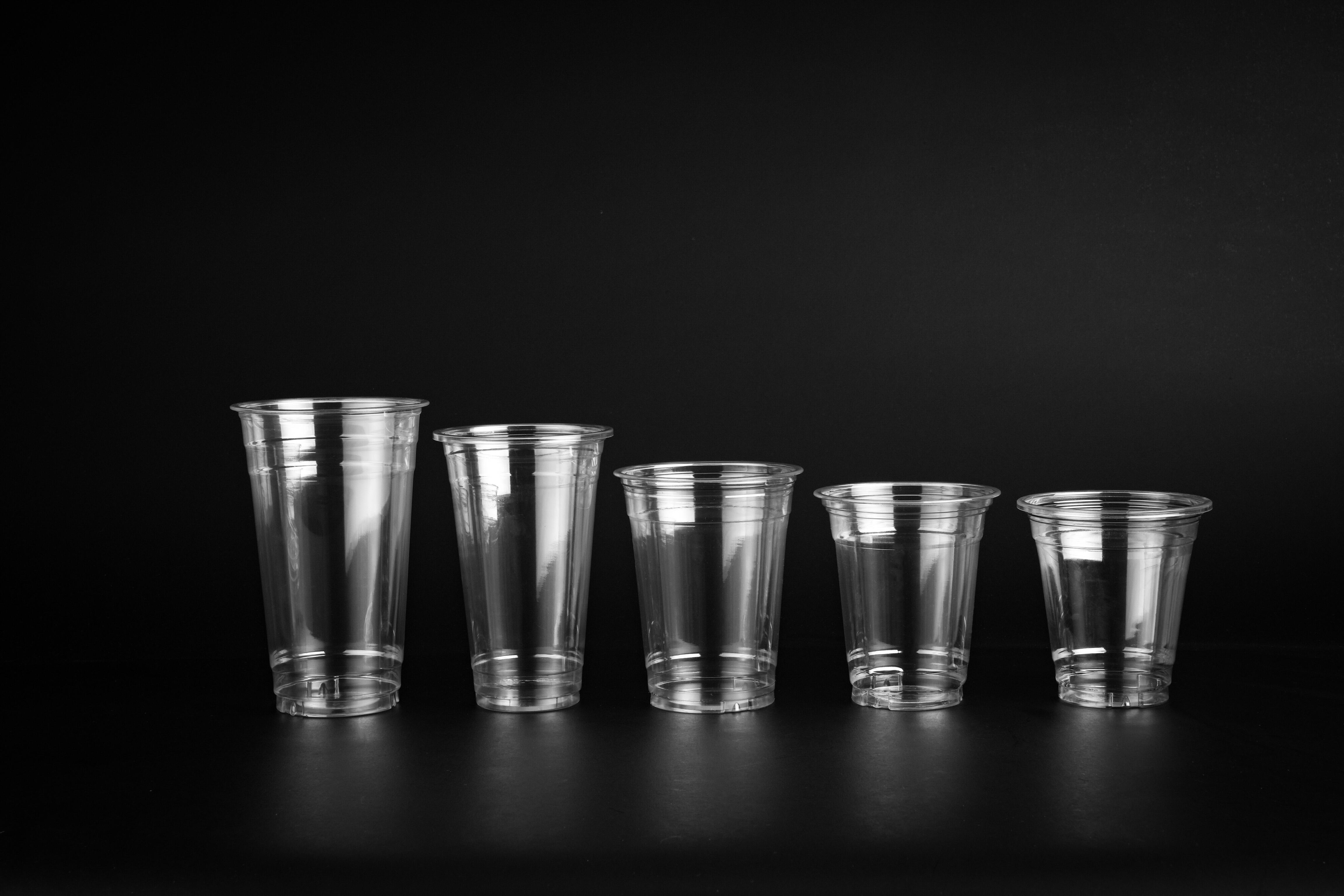
The demand for safe, non-toxic food packaging has driven manufacturers and food service operators to seek alternatives to polycarbonate and other plastics that traditionally contained bisphenol A. Understanding which polymer types qualify as BPA-free plastic food containers requires knowledge of material science, regulatory classifications, and practical performance characteristics. This article examines the specific resin families currently used in manufacturing food-grade containers with lids, their molecular structures that exclude bisphenol compounds, and how these materials meet both safety standards and functional requirements for food contact applications.
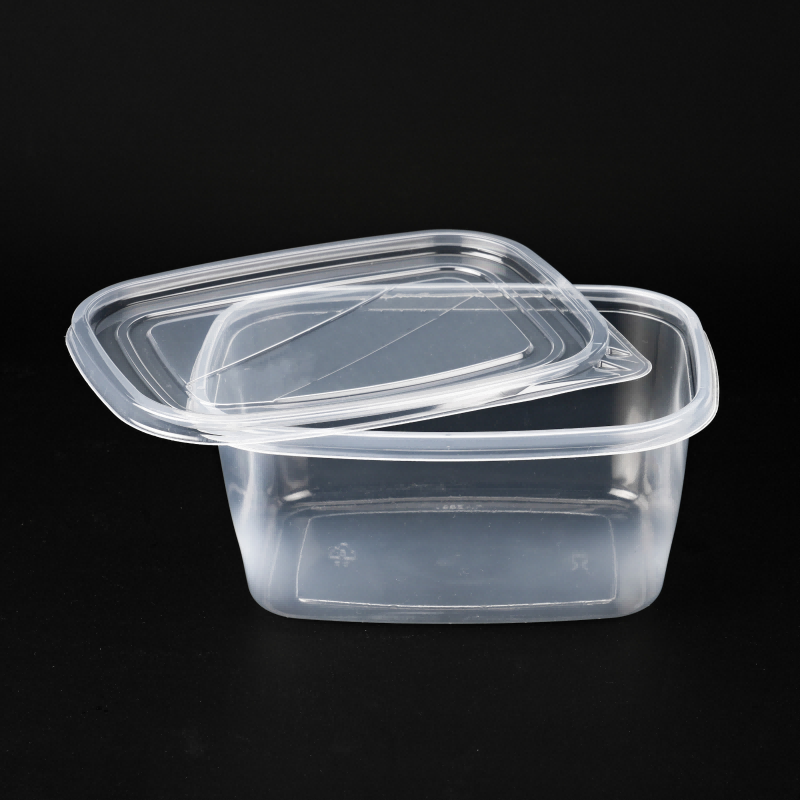
Material selection for BPA-free plastic food containers involves evaluating chemical composition, thermal stability, transparency requirements, and compatibility with various food types including acidic, fatty, and hot preparations. The plastics industry has developed multiple polymer solutions that avoid bisphenol A while maintaining the durability, clarity, and cost-effectiveness needed for commercial food storage and takeaway packaging. Each material category offers distinct advantages in terms of heat resistance, flexibility, barrier properties, and manufacturing versatility, making it essential for buyers to understand which resins align with their specific application needs and regulatory compliance obligations.
Primary Polymer Categories Used in BPA-Free Food Container Manufacturing
Polypropylene as the Dominant Material Choice
Polypropylene stands as the most widely adopted material for BPA-free plastic food containers due to its inherent chemical structure that contains no bisphenol compounds. This thermoplastic polymer consists of propylene monomers arranged in a repeating chain structure, offering excellent chemical resistance and a melting point that allows microwave reheating without structural degradation. Food service operations favor polypropylene containers because they withstand temperatures up to 120 degrees Celsius, resist staining from tomato-based sauces and curry preparations, and maintain structural integrity when storing both hot and cold food items.
The material's non-polar nature prevents migration of polymer components into fatty foods, addressing a critical safety concern in food contact applications. Manufacturers produce polypropylene containers through injection molding processes that create tight-fitting lids with secure closure mechanisms, essential for preventing leakage during transport. The polymer's flexibility at room temperature reduces the risk of cracking during handling compared to more brittle alternatives, while its relatively low density results in lightweight containers that reduce shipping costs and handling effort for high-volume food service operations.
Polypropylene-based BPA-free plastic food containers demonstrate excellent resistance to most cleaning chemicals, allowing commercial dishwasher use without material degradation. This durability extends container lifespan in reusable food storage systems, supporting sustainability initiatives while maintaining food safety standards. The material accepts various surface treatments that enhance printability for branding applications, and it can be formulated in clear or opaque versions depending on light protection requirements for specific food products.
High-Density Polyethylene for Rigid Container Applications
High-density polyethylene offers another polymer option for manufacturing BPA-free plastic food containers requiring exceptional impact resistance and moisture barrier properties. This material consists of linear ethylene chains with minimal branching, creating a crystalline structure that delivers greater strength and rigidity than low-density polyethylene variants. Food packaging applications benefit from high-density polyethylene's resistance to most acids, alcohols, and bases, making it suitable for containing salad dressings, marinades, and other acidic food preparations without container degradation or flavor transfer.
The material's excellent moisture barrier characteristics prevent condensation buildup inside sealed containers, maintaining food quality during refrigerated storage. High-density polyethylene containers resist cracking at low temperatures, performing reliably in freezer applications where other plastics become brittle and prone to failure. This temperature resilience extends from minus 40 degrees Celsius to approximately 110 degrees Celsius, accommodating the full range of food storage conditions from frozen meal preparation to warm food holding in commercial kitchen environments.
Manufacturing processes for high-density polyethylene containers include blow molding and injection molding techniques that produce consistent wall thickness and dimensional stability. The material accepts various closure designs including snap-on lids, threaded caps, and tamper-evident seals that enhance food safety and consumer confidence. While high-density polyethylene typically appears translucent rather than crystal clear, its natural appearance signals food safety consciousness to consumers increasingly concerned about chemical migration from food packaging materials.
Polyethylene Terephthalate for Transparency Requirements
Polyethylene terephthalate serves specialized applications requiring exceptional clarity and gloss for product visibility in retail food packaging. This polymer forms from ethylene glycol and terephthalic acid through condensation polymerization, creating a material structure entirely free of bisphenol compounds. The resulting plastic offers glass-like transparency that showcases food presentation, making it popular for salad containers, fruit packaging, and deli items where visual appeal drives purchasing decisions.
BPA-free plastic food containers manufactured from polyethylene terephthalate demonstrate excellent oxygen barrier properties that extend shelf life for perishable foods by limiting oxidation reactions. The material resists permeation by carbon dioxide and water vapor, maintaining carbonation in beverages and preventing moisture loss in fresh foods. These barrier characteristics make polyethylene terephthalate particularly valuable for modified atmosphere packaging systems that preserve food quality through controlled gas environments.
The polymer's relatively high strength-to-weight ratio allows manufacturers to produce lightweight containers that reduce material costs and transportation expenses while maintaining structural integrity during handling. Polyethylene terephthalate accepts various forming techniques including thermoforming for shallow containers and stretch blow molding for deeper vessels with complex geometries. The material's recyclability through established PET recycling streams supports circular economy initiatives, though food-grade applications require virgin resin to meet safety regulations preventing contamination from previous use cycles.
Specialty Materials for Enhanced Performance Characteristics
Polylactic Acid for Compostable Container Solutions
Polylactic acid represents a bio-based polymer option for BPA-free plastic food containers targeting environmentally conscious markets and jurisdictions with single-use plastic restrictions. This material derives from fermented plant starches, typically corn or sugarcane, creating a renewable alternative to petroleum-based plastics while naturally excluding any bisphenol compounds. The polymer's molecular structure consists of lactic acid units linked through ester bonds, resulting in a material that biodegrades under industrial composting conditions without releasing toxic residues.
Food service applications benefit from polylactic acid's clarity and rigidity that rival conventional plastics, providing adequate structural support for salads, sandwiches, and cold food items. The material performs well at refrigerated temperatures but exhibits lower heat resistance than polypropylene, limiting its use to cold and ambient temperature foods rather than hot meal applications. This temperature limitation stems from the polymer's glass transition temperature around 60 degrees Celsius, above which the material softens and loses dimensional stability.
Manufacturers appreciate polylactic acid's processing characteristics that allow conventional thermoforming and injection molding equipment to produce BPA-free plastic food containers without significant capital investment in specialized machinery. The material accepts food-grade colorants and can be formulated with varying degrees of flexibility through copolymer modifications. However, polylactic acid's sensitivity to prolonged moisture exposure requires careful storage conditions and relatively short shelf life compared to synthetic polymer alternatives, factors that influence inventory management and distribution planning.
Copolyester Blends for Specialized Applications
Copolyester formulations provide another category of BPA-free plastic food containers designed for applications requiring enhanced toughness, chemical resistance, or specific optical properties. These materials combine multiple monomer types during polymerization to create customized performance profiles that address limitations in single-polymer systems. Manufacturers develop copolyester blends specifically formulated without bisphenol compounds, using alternative diol components that maintain polymer integrity while eliminating health concerns associated with BPA migration.
The versatility of copolyester chemistry allows material scientists to balance competing properties such as flexibility and rigidity, clarity and UV resistance, or heat tolerance and impact strength. Food packaging applications benefit from copolyesters engineered to withstand aggressive food types including citrus juices, vinegar-based dressings, and high-fat preparations that challenge standard polyethylene or polypropylene containers. These specialty formulations maintain dimensional stability across wider temperature ranges, supporting applications from frozen food storage through microwave reheating without container warping or failure.
Cost considerations often limit copolyester use to premium food packaging where enhanced performance justifies higher material expenses compared to commodity polymers. However, specific applications such as portion-controlled meal kits, gourmet takeaway services, and institutional food distribution find value in the superior durability and extended product protection these materials provide. The chemical complexity of copolyester formulations requires careful documentation and testing to verify food contact compliance, ensuring all components meet regulatory standards for BPA-free plastic food containers.
Styrene-Based Alternatives Without Bisphenol Content
Certain styrene polymer formulations offer BPA-free options for disposable food containers requiring low cost and ease of manufacturing. While polystyrene itself contains no bisphenol A, manufacturers must verify that processing aids, impact modifiers, and other additives used in container production similarly exclude bisphenol compounds. Clear polystyrene containers provide excellent transparency for cold food display applications, though their brittleness and low heat tolerance restrict use to refrigerated and ambient temperature foods.
High-impact polystyrene incorporates rubber modifiers that improve toughness and reduce cracking during handling, making it suitable for hinged-lid containers common in fast-food clamshell packaging. These BPA-free plastic food containers balance cost efficiency with adequate performance for single-use applications, though environmental concerns about polystyrene recycling and marine pollution have led many jurisdictions to restrict or ban foam and solid polystyrene food packaging. The material's low density creates lightweight containers that minimize shipping costs, a significant advantage for high-volume food service operations distributing large quantities of takeaway packaging.
Manufacturing processes for styrene-based containers include thermoforming from sheet stock and injection molding for more complex geometries requiring integrated hinges or closure features. The material processes at relatively low temperatures compared to polyolefins, reducing energy consumption during production. However, polystyrene's poor barrier properties against oxygen and moisture limit its suitability for extended food storage applications, making it more appropriate for immediate consumption packaging rather than long-term preservation of perishable items.
Performance Comparison and Application Suitability
Heat Resistance and Microwave Compatibility
Heat resistance varies significantly among BPA-free plastic food containers depending on the base polymer's glass transition and melting temperatures. Polypropylene containers withstand microwave reheating and hot-fill applications up to 120 degrees Celsius, making them the preferred choice for hot food takeaway and meal prep containers requiring reheating capability. The material maintains structural integrity and seal performance when subjected to thermal cycling between refrigeration and microwave temperatures, supporting reusable container systems where repeated heating represents normal use patterns.
High-density polyethylene offers moderate heat resistance suitable for warm foods but begins softening above 110 degrees Celsius, limiting its use in high-temperature applications. This thermal limitation restricts high-density polyethylene containers to cold salads, ambient temperature foods, and moderately warm preparations that won't exceed the material's distortion temperature. Polyethylene terephthalate similarly handles warm foods but requires careful temperature control during hot-fill operations to prevent container deformation that compromises seal integrity and appearance.
Material selection for microwave-safe BPA-free plastic food containers must consider both the polymer's heat resistance and its microwave transparency characteristics. Polypropylene's relatively low dielectric loss factor minimizes microwave energy absorption by the container itself, directing heating energy to the food contents rather than the packaging. This property prevents hot spots in container walls that could cause warping or create burn hazards during handling. Manufacturers typically include microwave-safe symbols and heating instructions on containers certified for microwave use, helping consumers avoid thermal damage from improper heating practices.
Chemical Resistance and Food Compatibility
Chemical resistance determines which BPA-free plastic food containers suit specific food types, particularly preparations containing oils, acids, alcohols, or strongly colored ingredients. Polypropylene demonstrates excellent resistance to most food-related chemicals, resisting staining from turmeric and tomato sauces while preventing absorption of oils and fragrances that could cause off-flavors in subsequent uses. This chemical stability makes polypropylene containers suitable for diverse food applications without risk of material degradation or unwanted interactions between packaging and contents.
High-density polyethylene resists most aqueous foods and dilute acids but can be penetrated by strong solvents and essential oils present in some ethnic cuisines and prepared foods. Food service operators using high-density polyethylene containers should verify compatibility with menu items containing high concentrations of aromatic compounds or alcohol-based extracts that might permeate container walls. Polyethylene terephthalate offers good resistance to most foods but requires testing with strongly alkaline preparations that could hydrolyze ester linkages in the polymer backbone over extended contact periods.
Migration testing protocols verify that BPA-free plastic food containers release minimal polymer components into food under specified temperature and contact duration conditions. Regulatory agencies establish migration limits for various food simulants representing aqueous, acidic, alcoholic, and fatty foods, ensuring containers perform safely across typical use scenarios. Manufacturers conduct these tests using standardized methods that expose container materials to food simulants at elevated temperatures for extended periods, measuring any extractable compounds through analytical chemistry techniques. Results demonstrate compliance with food contact regulations and support marketing claims about material safety and food compatibility.
Transparency and Barrier Properties
Visual clarity influences consumer perception and purchase decisions for retail food packaging, making transparency an important consideration when selecting BPA-free plastic food containers. Polyethylene terephthalate delivers crystal-clear containers that showcase food appearance and freshness, supporting impulse purchases and premium product positioning. The material's high gloss surface enhances visual appeal and suggests quality to consumers comparing similar products in retail displays.
Polypropylene containers range from translucent to highly transparent depending on polymer grade and processing conditions. Clarified polypropylene formulations achieve near-PET transparency through nucleating agents that modify crystalline structure, creating containers that combine polypropylene's heat resistance with excellent clarity for applications requiring both properties. Standard polypropylene maintains adequate transparency for most food service applications where color coding or printed graphics supplement visual product identification.
Barrier properties against oxygen, moisture, and aromatic compounds affect food shelf life and quality maintenance in sealed BPA-free plastic food containers. Polyethylene terephthalate provides superior oxygen barrier compared to polyolefin materials, extending shelf life for oxygen-sensitive foods like sliced meats, nuts, and fried snacks. However, all plastic materials exhibit some permeability, requiring food manufacturers to balance barrier requirements against cost considerations and evaluate whether enhanced barriers justify premium material selection or whether adequate preservation occurs through refrigeration and short distribution cycles typical of fresh food supply chains.
Regulatory Compliance and Safety Documentation
Food Contact Regulations for BPA-Free Materials
Regulatory frameworks governing BPA-free plastic food containers vary by jurisdiction but generally require manufacturers to demonstrate that all materials and additives used in container production comply with food contact substance regulations. In the United States, the Food and Drug Administration maintains a list of approved food contact substances through formal food additive petitions and Food Contact Notifications that establish conditions of safe use. Polymers used in BPA-free containers must appear on this list with specifications covering molecular weight, purity requirements, and any restrictions on use conditions such as temperature or food type limitations.
European regulations under Framework Regulation 1935/2004 and Plastics Regulation 10/2011 establish similar compliance requirements, including positive lists of authorized substances and specific migration limits for individual components. Manufacturers supplying BPA-free plastic food containers to European markets must provide declarations of compliance documenting the material composition, migration test results, and proper use instructions. These regulatory systems require traceability through the supply chain, with each party from resin producer through converter to food packer maintaining documentation supporting food contact compliance.
Third-party certifications from organizations like NSF International or certifications to standards such as German LFGB provide additional verification that BPA-free plastic food containers meet stringent safety requirements. These certifications involve independent testing of material composition, migration characteristics, and manufacturing process controls, offering buyers additional assurance beyond supplier declarations. Food service operators and retailers increasingly require these third-party certifications as part of supplier qualification processes, recognizing that independent verification reduces liability risks and demonstrates due diligence in protecting consumer health.
Testing Protocols for BPA Absence Verification
Analytical testing methods verify that BPA-free plastic food containers contain no detectable bisphenol A in either the base polymer or the finished product. Testing laboratories employ techniques including gas chromatography-mass spectrometry and liquid chromatography-mass spectrometry to identify and quantify bisphenol compounds with detection limits well below regulatory concern thresholds. These sensitive analytical methods can detect BPA concentrations in the parts-per-billion range, providing definitive evidence of material purity and manufacturing process control.
Migration testing protocols simulate food contact conditions by exposing containers to food simulants at specified temperatures for defined time periods, then analyzing the simulant for any bisphenol compounds that might have transferred from the packaging. Standard test conditions include exposure to acidic simulant at 40 degrees Celsius for ten days, representing worst-case scenarios for long-term food storage. Additional testing at elevated temperatures simulates hot-fill operations or microwave reheating, ensuring BPA-free plastic food containers maintain their safety characteristics under thermal stress.
Quality control programs in container manufacturing facilities include routine testing of incoming raw materials and finished products to verify ongoing compliance with BPA-free specifications. Manufacturers establish testing frequencies based on risk assessment and regulatory requirements, typically testing each production lot or implementing statistical sampling plans for high-volume continuous production. Documentation systems track test results, maintain certificates of analysis from resin suppliers, and preserve migration study data supporting regulatory compliance claims throughout product distribution and use.
Labeling Requirements and Consumer Communication
Clear labeling helps consumers identify BPA-free plastic food containers and provides necessary information about proper use conditions and recycling options. Manufacturers typically include BPA-free claims prominently on packaging and container surfaces, supported by resin identification codes that indicate the polymer type for recycling purposes. Additional symbols communicate microwave safety, freezer compatibility, and dishwasher suitability, helping users understand container capabilities and limitations that affect food safety and container longevity.
Regulatory authorities in some jurisdictions specify required warning statements or use instructions for plastic food containers, particularly regarding temperature limitations and restrictions on specific food types. BPA-free plastic food containers intended for microwave use must include heating instructions and warnings about uneven heating or hot spots that could cause burns. Containers suitable for reuse require care instructions about proper cleaning methods and guidance about when replacement becomes necessary due to wear, staining, or damage that could compromise food safety.
Marketing communications about BPA-free plastic food containers must avoid misleading claims or implications that BPA-free status alone guarantees complete safety regardless of use conditions. Responsible manufacturers provide balanced information about material properties, appropriate applications, and proper handling practices that maintain food safety throughout the container lifecycle. Educational content helps food service operators and consumers understand that material selection represents one component of food safety systems that also include proper temperature control, hygiene practices, and timely consumption of prepared foods.
FAQ
What does BPA-free mean in plastic food containers?
BPA-free indicates that the plastic material and all additives used in manufacturing the food container contain no bisphenol A, a chemical compound previously used in polycarbonate plastics and epoxy resins that has raised health concerns due to its potential endocrine-disrupting effects. Containers labeled BPA-free use alternative polymer chemistries like polypropylene, polyethylene, or polyethylene terephthalate that do not require bisphenol compounds in their molecular structure. This designation provides assurance that the packaging will not leach BPA into food under normal use conditions, addressing consumer concerns about chemical migration from food contact materials.
Can all BPA-free plastic containers be safely microwaved?
Not all BPA-free plastic food containers are suitable for microwave use, as heat resistance varies significantly among different polymer types. Polypropylene containers typically handle microwave reheating well, maintaining structural integrity up to 120 degrees Celsius, while polylactic acid and some polyethylene formulations soften at lower temperatures unsuitable for microwave applications. Always check for microwave-safe symbols on container labels and follow manufacturer heating instructions to prevent warping, melting, or release of unwanted compounds caused by excessive temperatures. The BPA-free designation addresses chemical composition but does not automatically indicate heat resistance required for microwave compatibility.
How do BPA-free materials affect food shelf life compared to traditional plastics?
BPA-free plastic food containers deliver comparable or superior food preservation characteristics compared to traditional polycarbonate containers, depending on the specific polymer selected. Materials like polyethylene terephthalate provide excellent oxygen and moisture barriers that extend shelf life for perishable foods, while polypropylene offers adequate barrier properties for most refrigerated food applications. The absence of BPA does not inherently improve or diminish barrier performance, as these properties depend on polymer structure and crystallinity rather than specific chemical additives. Proper material selection based on food type and storage conditions determines preservation effectiveness regardless of BPA content.
Are BPA-free plastic containers more environmentally sustainable than other options?
Environmental sustainability of BPA-free plastic food containers depends on multiple factors beyond the absence of bisphenol A, including material source, manufacturing energy requirements, transportation impacts, reusability potential, and end-of-life disposal options. Bio-based options like polylactic acid offer renewable sourcing but require industrial composting facilities rarely available in most communities, while conventional polyolefins provide excellent durability for repeated use but persist in the environment if improperly disposed. Most BPA-free materials including polypropylene and polyethylene terephthalate participate in established recycling systems, though contamination from food residues often limits practical recycling rates. A complete sustainability assessment must consider the entire lifecycle rather than focusing solely on BPA content or any single environmental attribute.