 EN
EN

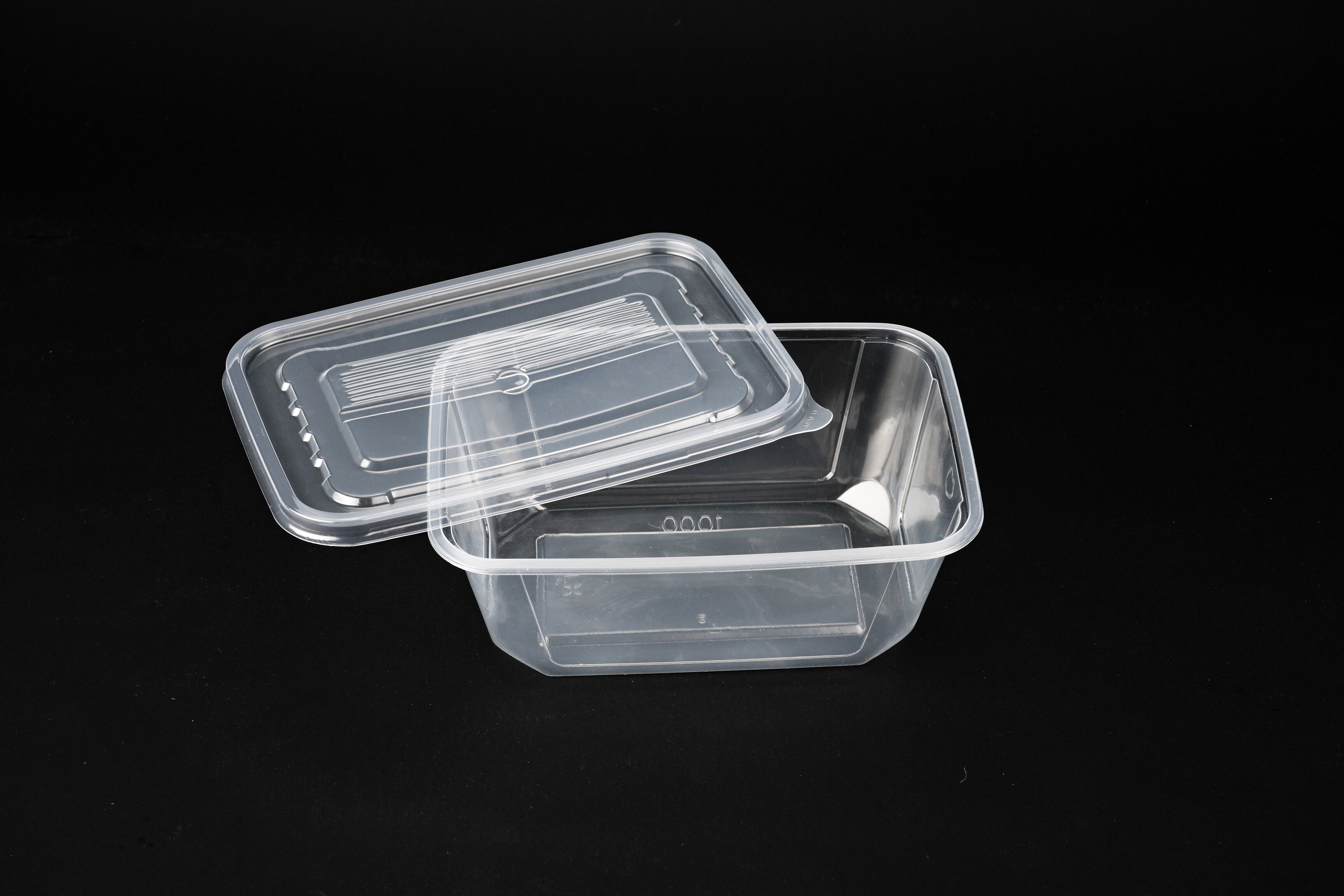
For busy professionals, meal prep enthusiasts, and food service operators, the convenience of moving plastic food containers with lids directly from refrigerator to microwave is undeniably appealing. However, this practice raises critical safety questions about material integrity, chemical migration, and food safety compliance. Understanding whether your plastic food containers with lids can withstand this temperature transition requires knowledge of polymer chemistry, regulatory standards, and proper usage protocols that protect both product quality and consumer health.
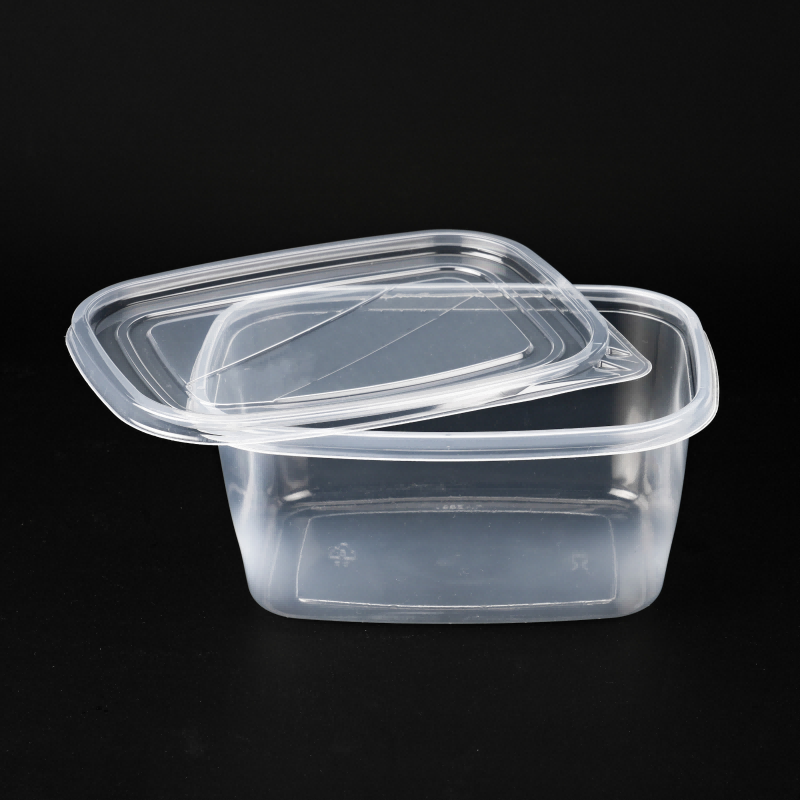
The answer depends entirely on the specific type of plastic material, manufacturing quality, and design features of your containers. Not all plastic food containers with lids are created equal when it comes to thermal shock resistance and microwave compatibility. Some materials will warp, leach chemicals, or compromise seal integrity when subjected to rapid temperature changes, while properly designed microwave-safe containers can handle this transition repeatedly without degradation. This comprehensive analysis examines the technical factors, safety considerations, and practical guidelines that determine whether your containers can safely make this journey from cold storage to reheating.
Material Science Behind Temperature Transition Safety
Polymer Types and Their Thermal Performance
The fundamental safety of moving plastic food containers with lids from refrigerator to microwave hinges on the base polymer material. Polypropylene represents the gold standard for this application, with a melting point around 160 degrees Celsius and exceptional resistance to thermal stress. This semi-crystalline thermoplastic maintains structural integrity across temperature ranges from minus 20 degrees Celsius in freezer storage to 120 degrees Celsius in microwave heating, making it ideal for food service and meal prep applications.
High-density polyethylene also demonstrates reasonable performance for moderate microwave use, though its lower melting point around 130 degrees Celsius requires more cautious heating protocols. Containers manufactured from HDPE can handle gentle reheating but may soften or deform under prolonged high-temperature exposure or when heating fatty foods that reach temperatures exceeding the container walls. Understanding these material limitations prevents structural failure and potential food contamination during the heating process.
In contrast, polystyrene and polyethylene terephthalate containers generally should not transition directly from cold to microwave heat. PS containers often lack sufficient heat resistance and may release styrene compounds when heated, while standard PET exhibits poor thermal stability above 70 degrees Celsius. These materials are better suited for cold storage only, with food requiring transfer to appropriate microwave-safe vessels before reheating.
Thermal Shock Resistance Considerations
Beyond base material selection, the ability of plastic food containers with lids to withstand fridge-to-microwave transitions depends critically on thermal shock resistance. This property describes how materials respond to rapid temperature changes, which create differential expansion rates between inner and outer container surfaces. Well-designed containers incorporate material formulations and wall thickness specifications that distribute thermal stress evenly, preventing crack propagation and structural compromise.
The glass transition temperature of the polymer plays a crucial role in thermal shock performance. Below this temperature, plastics become brittle and prone to stress fractures, while above it they exhibit more flexible behavior. Quality microwave-safe containers utilize polymer grades with glass transition temperatures well below typical refrigeration ranges, ensuring the material remains in its more resilient state throughout the temperature transition. This engineering consideration separates professional food storage solutions from cheaper alternatives.
Container geometry also influences thermal shock resistance significantly. Containers with gradual curves and uniform wall thickness distribute heat more evenly than those with sharp corners or variable thickness zones. These design elements reduce stress concentration points where thermal shock damage typically initiates, extending the usable life of plastic food containers with lids subjected to repeated temperature cycling in commercial and residential applications.
Chemical Migration and Food Safety Implications
The most critical safety concern when moving plastic food containers with lids from cold to hot environments involves potential chemical migration from the container into food. Elevated temperatures accelerate molecular movement, increasing the likelihood that plastic additives, residual monomers, or degradation products will transfer into food contents. Regulatory bodies including the FDA and European Food Safety Authority establish specific migration limits for food contact materials under various temperature conditions.
Microwave heating presents unique migration challenges because of uneven heating patterns and localized hot spots that may exceed average food temperatures by significant margins. Fatty foods particularly concentrate microwave energy and can reach temperatures 20 to 30 degrees Celsius higher than aqueous foods, increasing migration potential at container-food interfaces. This phenomenon explains why even certified microwave-safe plastic food containers with lids carry usage warnings about high-fat content foods.
Modern food-grade containers address migration concerns through careful additive selection and polymer purification processes. BPA-free formulations eliminate bisphenol A, a endocrine-disrupting compound of particular concern, while plasticizer systems use FDA-approved alternatives with minimal migration profiles. However, even compliant materials require proper usage within specified temperature and duration limits to maintain safety margins established through regulatory testing protocols.
Identifying Microwave-Safe Container Features
Regulatory Markings and Certification Standards
Determining whether specific plastic food containers with lids can safely transition from refrigerator to microwave begins with examining certification markings and regulatory symbols. The microwave-safe symbol, typically depicting stylized waves or a microwave oven icon, indicates the manufacturer has tested the container according to relevant standards and verified it meets performance criteria for microwave use. This marking should appear clearly on both container and lid, as these components may use different materials with varying heat resistance.
In the United States, FDA compliance represents the baseline requirement for food contact materials, but microwave-safe designation requires additional validation. Manufacturers must demonstrate that containers maintain structural integrity, do not cause harmful chemical migration, and perform consistently across the expected use temperature range. European markets require compliance with Framework Regulation EC 1935/2004 and specific measures for plastic materials, with testing protocols that simulate repeated use cycles including temperature extremes.
Beyond basic microwave-safe markings, premium plastic food containers with lids often carry additional certifications from independent testing organizations. NSF International certification, LFGB compliance for German market access, and BPA-free verification provide additional assurance layers. These third-party validations confirm that containers meet or exceed baseline regulatory requirements, offering commercial food service operators and institutional buyers documented compliance for safety protocols and liability management.
Design Elements That Support Safe Temperature Transition
Physical design features provide important clues about whether plastic food containers with lids can handle fridge-to-microwave use safely. Vented lid systems that allow steam escape during microwave heating prevent dangerous pressure buildup that could cause explosive lid failure or scalding injuries. These vent designs typically incorporate small openings or valve mechanisms that remain closed during storage but open under slight pressure increase during heating, balancing convenience with safety.
Reinforced rim construction and thick base designs indicate engineering specifically for thermal cycling applications. These structural enhancements distribute expansion forces more effectively and resist warping under temperature stress. Containers intended for repeated temperature transitions typically feature base thickness of at least 1.5 millimeters and rim reinforcement that maintains seal integrity even after hundreds of heating cycles, distinguishing them from disposable or cold-storage-only alternatives.
Color and transparency also signal appropriate applications for plastic food containers with lids. Clear or translucent containers generally use virgin polymer materials without pigments or fillers that might compromise heat stability or introduce migration concerns. Heavily pigmented containers sometimes incorporate additives that reduce microwave suitability, though not universally. When container labeling lacks clear guidance, transparent designs from reputable manufacturers offer safer assumptions for temperature transition applications.
Lid Compatibility and Seal Performance Under Heat
The lid component of plastic food containers with lids deserves particular scrutiny for fridge-to-microwave transitions, as lids often use different materials than base containers and face unique performance challenges. Many containers pair polypropylene bases with polyethylene or flexible PVC lids, creating compatibility concerns when heating. Safe microwave protocols typically require either removing lids entirely or using lids specifically designed with venting features that accommodate internal pressure increases during heating.
Silicone gasket systems incorporated into many premium container lids provide excellent seal performance during cold storage but require careful microwave handling. While silicone itself tolerates high temperatures exceptionally well, the seal compression against the container rim creates a pressure system that must vent safely during heating. Containers lacking explicit microwave-safe lid markings should have lids removed or loosened before heating to prevent seal failure or container deformation from trapped steam pressure.
Some advanced lid designs incorporate two-position mechanisms that lock tightly for transport and storage but rotate to a vented position for microwave use. These dual-mode lids optimize plastic food containers with lids for meal prep and food service applications where workflow efficiency demands minimal handling steps between storage and serving. The engineering sophistication behind these systems reflects growing market demand for containers that safely accommodate complete temperature cycle management without compromising food quality or user safety.
Best Practices for Safe Fridge-to-Microwave Usage
Temperature Transition Protocols
Even when using certified microwave-safe plastic food containers with lids, following proper temperature transition protocols maximizes safety and extends container life. Allowing containers to rest at room temperature for five to ten minutes before microwave heating reduces thermal shock stress by decreasing the temperature differential the material must accommodate. This brief equilibration period proves particularly important for frozen items, where temperature spans can exceed 150 degrees Celsius from freezer to full microwave power heating.
Starting microwave heating at reduced power levels represents another crucial safety practice. Using fifty to seventy percent power for the first heating minute allows heat to distribute more evenly through food contents and container walls, reducing the risk of localized overheating that causes warping or migration issues. This staged heating approach proves especially important for heterogeneous foods with varying fat and moisture content that heat at different rates and create complex thermal gradients within containers.
Monitoring heating duration prevents exceeding safe temperature limits even in properly rated plastic food containers with lids. Most microwave-safe plastics tolerate intermittent heating cycles of two to three minutes but may degrade under continuous heating beyond five minutes. Using interval heating with stirring breaks between cycles both improves food temperature uniformity and gives container materials thermal recovery time, reducing cumulative heat stress that accelerates aging and performance degradation.
Food Type Considerations and Restrictions
The specific foods being reheated significantly impact whether plastic food containers with lids can safely transition from refrigerator to microwave. High-sugar foods including syrups, jams, and dessert preparations reach temperatures well above boiling water during microwave heating because of sugar's effect on boiling point elevation. These extreme temperatures may exceed the safe operating range of even certified containers, requiring transfer to glass or ceramic vessels for reheating to prevent material failure or excessive migration.
Fatty foods present similar challenges, as fats and oils concentrate microwave energy and reach temperatures thirty to forty degrees Celsius higher than surrounding aqueous components. Foods like cheese-heavy preparations, cream sauces, and fatty meat dishes should receive reduced power heating in plastic food containers with lids, with careful monitoring to prevent localized overheating at container contact points. Some manufacturers explicitly exclude high-fat reheating from their microwave-safe certifications, making label review critical for these applications.
Acidic foods including tomato-based sauces, citrus preparations, and vinegar-containing dressings require particular caution because acids can accelerate polymer degradation and increase migration rates. While quality polypropylene containers generally resist acid effects well, repeated heating of acidic contents gradually compromises material integrity. Rotating containers through different food types rather than dedicating specific containers to acidic items helps distribute this exposure stress across container inventory, extending overall fleet life in commercial operations.
Maintenance and Container Life Cycle Management
Even the highest quality plastic food containers with lids have finite service lives when subjected to repeated temperature cycling. Regular inspection for warping, discoloration, cloudiness, or surface roughening identifies containers approaching end-of-life that should be retired from microwave use. These visible changes signal material degradation that compromises both structural performance and food safety, indicating accumulated thermal stress has reduced the safety margins originally built into container design.
Proper cleaning protocols extend the safe service life of reusable containers significantly. While many plastic food containers with lids carry dishwasher-safe ratings, hand washing with moderate temperature water proves gentler on materials and better preserves long-term microwave performance. Harsh detergents and abrasive scrubbing should be avoided as they create surface microdamage that concentrates stress during subsequent heating cycles and provides nucleation sites for crack propagation under thermal shock conditions.
Establishing replacement schedules based on usage intensity helps maintain consistent safety standards in commercial and institutional settings. Food service operations using containers for daily temperature cycling might specify replacement every six to twelve months, while residential users with occasional microwave reheating may find containers remain serviceable for several years. Tracking usage cycles and implementing systematic retirement protocols ensures that plastic food containers with lids maintain certified performance throughout their active service period.
Commercial Applications and Operational Safety
Food Service Industry Requirements
Commercial food service operations face heightened scrutiny regarding plastic food containers with lids used in temperature transition applications. Health department regulations typically require documented compliance with FDA food contact substance standards and explicit microwave-safe certification for any containers used in reheating workflows. Establishments must maintain specification sheets demonstrating container materials meet migration limits and maintain structural integrity under typical use conditions, creating accountability trails for food safety audits.
Meal delivery services and catering operations increasingly specify premium polypropylene containers that support complete temperature cycles from hot-fill through refrigeration to customer reheating. These applications demand containers that maintain seal integrity during transport, resist stress cracking from temperature cycling, and carry clear consumer-facing microwave instructions. The liability implications of container failure or chemical migration incidents drive quality specifications well above minimum regulatory requirements in this competitive market segment.
Institutional foodservice operations including hospitals, schools, and corporate cafeterias benefit from standardized protocols governing plastic food containers with lids in hot-cold-hot cycles. These protocols typically specify exact power levels, heating durations, and food type restrictions that balance convenience with safety compliance. Staff training on proper container identification, lid handling during heating, and damage inspection procedures creates systematic risk management that protects both food quality and organizational liability exposure.
Meal Prep and Food Storage Industry Standards
The meal prep industry has emerged as a major driver for advanced plastic food containers with lids that seamlessly support refrigerated storage and microwave reheating. Commercial meal prep operations often prepare hundreds or thousands of individual portions weekly, requiring containers that withstand repeated temperature cycling while maintaining portion control, freshness preservation, and aesthetic presentation. These demanding applications push container performance requirements beyond typical residential use cases.
Professional meal prep companies increasingly adopt standardized container systems that provide documented temperature performance across their full menu range. This systematization allows centralized testing and protocol development rather than requiring individual validation for each menu item and container combination. The investment in premium certified containers pays dividends through reduced customer complaints, lower replacement costs, and enhanced brand reputation for quality and safety in this rapidly growing market sector.
Portion control and stackability requirements in meal prep applications influence which plastic food containers with lids best support fridge-to-microwave workflows. Standardized footprint designs that nest efficiently during storage and stack securely during transport reduce operational costs while maintaining the thermal performance necessary for safe temperature transitions. These operational considerations explain why meal prep industry specifications often exceed basic microwave-safe certification, demanding containers proven in high-volume commercial applications.
Regulatory Compliance and Documentation Requirements
Organizations using plastic food containers with lids in commercial operations must maintain comprehensive documentation supporting food safety compliance. This documentation begins with material specification sheets from container manufacturers detailing polymer composition, additive formulations, and test results demonstrating compliance with relevant food contact regulations. These specifications form the foundation for HACCP plans and food safety management systems that address packaging as a potential hazard control point.
Migration testing data becomes particularly important when operations involve repeated fridge-to-microwave transitions with diverse food types. Comprehensive safety documentation includes test results showing migration levels remain below regulatory limits under worst-case heating scenarios, including high-fat, high-acid, and extended duration exposures. This testing often exceeds baseline regulatory requirements, providing safety margins that account for real-world usage variation and protect against evolving regulatory standards.
Traceability systems that track container lot numbers through supply chains enable rapid response to any identified safety concerns. When contamination or performance issues emerge, traceability allows precise identification of affected container batches and surgical removal from service rather than broad fleet replacements. This operational sophistication reflects mature quality management in organizations where plastic food containers with lids represent critical infrastructure for food safety compliance and customer satisfaction.
FAQ
What plastic numbers are safe for fridge-to-microwave transitions?
Plastic recycling code number 5, indicating polypropylene, represents the safest choice for fridge-to-microwave transitions with plastic food containers with lids. This material offers excellent thermal stability, minimal migration concerns, and resistance to thermal shock across the full temperature range from refrigeration to microwave heating. Number 2 plastics, high-density polyethylene, can work for gentle reheating but lack the temperature ceiling for high-power or prolonged microwave use. Numbers 1, 3, 6, and 7 plastics generally should not be used for microwave heating regardless of refrigeration history, as these materials either lack adequate heat resistance or present unacceptable migration risks under elevated temperatures.
How can I tell if my plastic container has been damaged by temperature cycling?
Visible signs that plastic food containers with lids have suffered damage from repeated temperature cycling include warping or distortion of container walls, cloudiness or haziness in previously clear plastics, surface roughness or texture changes, discoloration particularly yellowing or browning, and compromised seal performance where lids no longer snap securely. Stress whitening around corners or seams indicates molecular-level damage that compromises structural integrity. Containers showing any of these symptoms should be retired from microwave use and ideally replaced entirely, as the damage signals material degradation that increases migration risks and structural failure potential during subsequent heating cycles.
Do I need to remove the lid before microwaving even on microwave-safe containers?
Best practice recommends either removing lids entirely or ensuring vented positioning before microwaving plastic food containers with lids, even when both components carry microwave-safe certifications. Sealed containers build dangerous internal pressure from steam generation during heating, creating explosion hazards that can cause severe burns and container destruction. Containers specifically engineered with steam vent valves can be microwaved with lids in place, but the vent must function properly and remain unobstructed. When uncertainty exists about vent functionality or lid specifications, removing the lid entirely provides the safest approach, with loose placement over the container opening allowing steam escape while minimizing splatter during heating.
Can I use plastic containers that were microwave-safe when new after several months of use?
Plastic food containers with lids gradually degrade with repeated use, particularly when subjected to temperature cycling stress, and their initial microwave-safe certification assumes containers within their design service life. After several months of regular fridge-to-microwave use, containers should be carefully inspected for degradation signs before continued microwave use. Containers showing visible damage should be retired immediately, while those maintaining good appearance can continue in microwave service with increased monitoring. Conservative replacement schedules based on usage intensity help maintain safety margins, with high-frequency commercial users typically replacing containers every six to twelve months, while occasional residential users may find containers remain serviceable for two to three years when properly maintained and stored.
Table of Contents
- Material Science Behind Temperature Transition Safety
- Identifying Microwave-Safe Container Features
- Best Practices for Safe Fridge-to-Microwave Usage
- Commercial Applications and Operational Safety
-
FAQ
- What plastic numbers are safe for fridge-to-microwave transitions?
- How can I tell if my plastic container has been damaged by temperature cycling?
- Do I need to remove the lid before microwaving even on microwave-safe containers?
- Can I use plastic containers that were microwave-safe when new after several months of use?