טכנולוגיית עמידות לנזילה מתקדמת ותקנים לבטיחות המזון
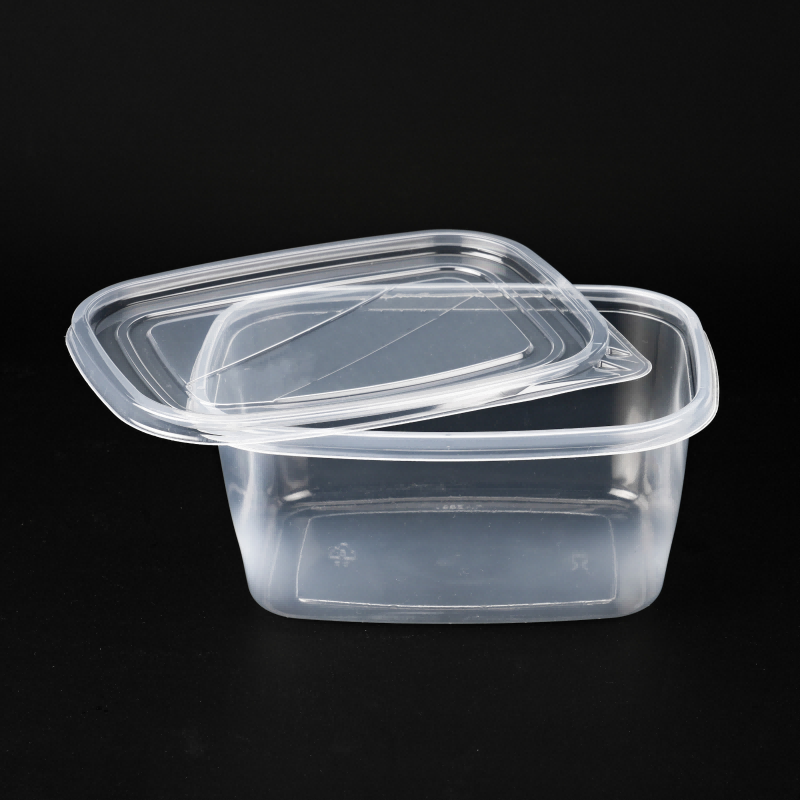
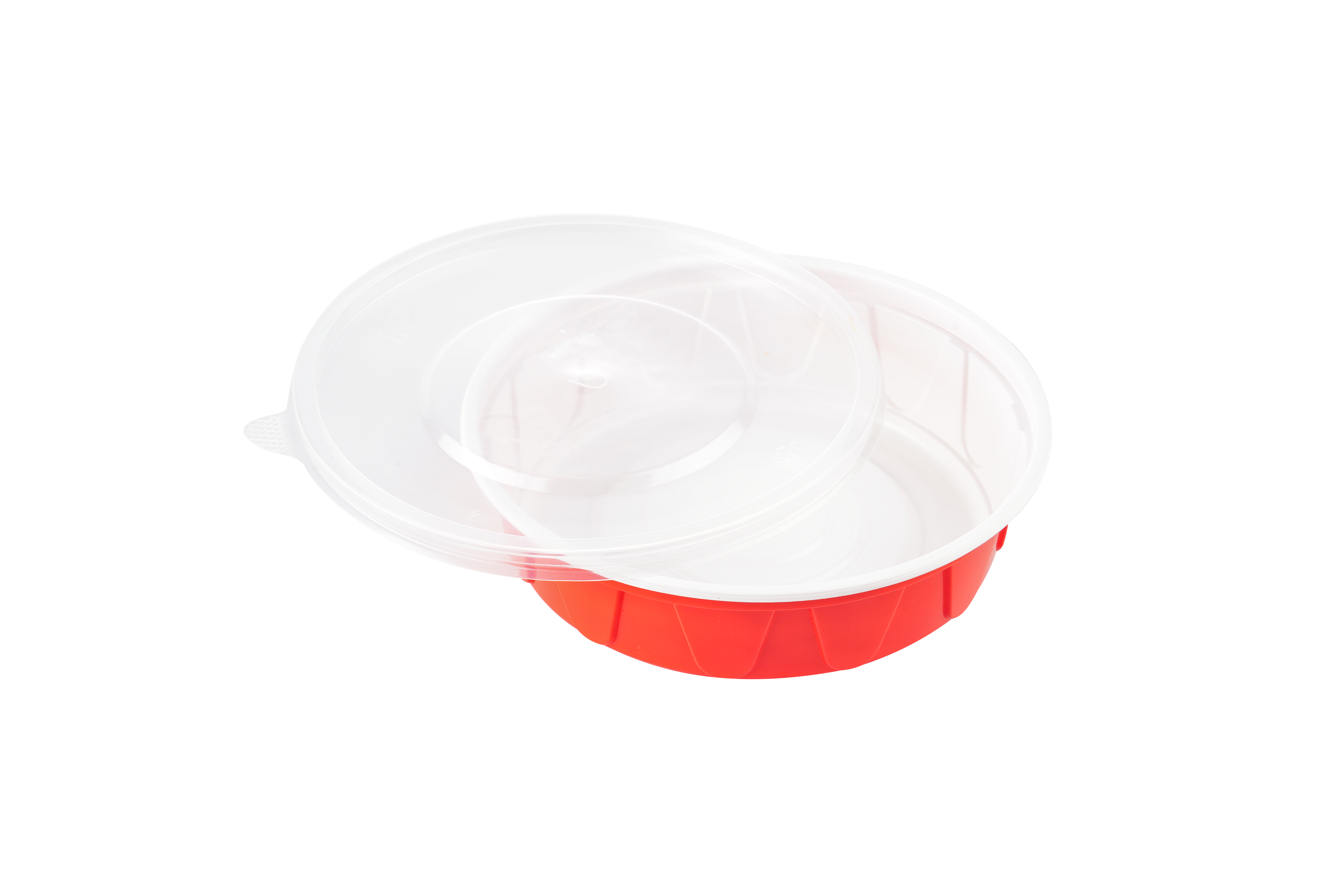
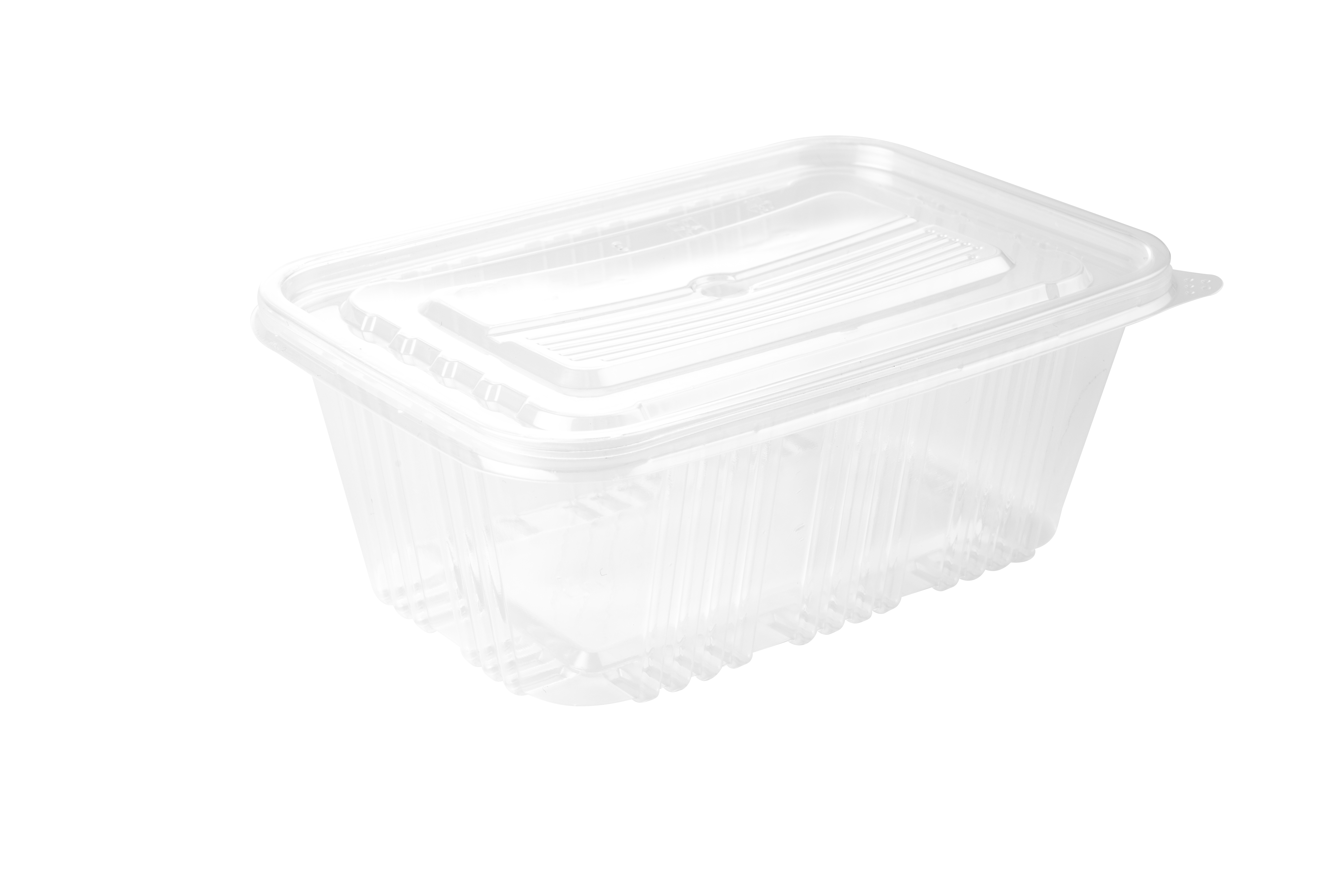
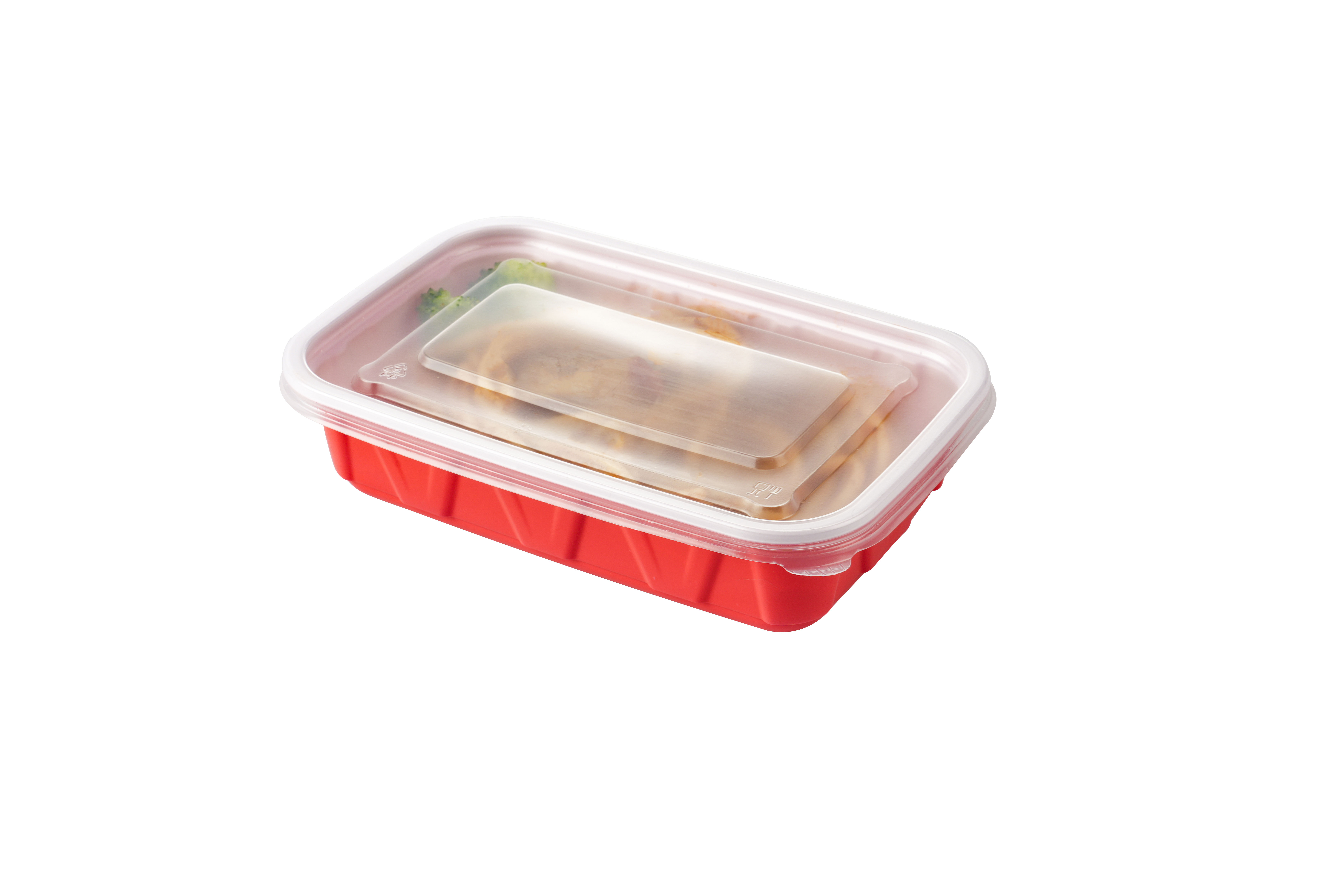
קופסת האוכל להליכה חד-פעמית משלבת טכנולוגיית איטום מתקדמת שמייצרת מחסום בלתי חדיר לחדירת נוזלים, מה שמבטיח שהרוטבים, הצלחות והרכיבים הנוזליים האחרים ישארו כלואים לאורך כל מסע המשלוח. מערכת האיטום החסימה את הדליפות המתקדמת הזו משתמשת בעיצובי שפה מדויקים שמייצרים מספר נקודות מגע בין המכסה לבסיס, ויוצרים איטום אמינה שנותן עמידות בפני הקשיים של ההובלה, כולל תנועות פתאומיות, תנודות בטמפרטורה ושינויים בהנחיית המשלוח. חשיבות התכונה הזו אינה ניתנת להגזמה, מאחר שדליפת נוזלים מהווה אחת הסיבות העיקריות לאשבועת הלקוחות בשירותי משלוחי מזון. כאשר קופסת האוכל להליכה חד-פעמית נכשלת באחיזת הנוזלים כראוי, נוצרת שרשרת של בעיות הכוללות פגיעה בחבילה, פגיעה בהצגת המזון, סיכונים אפשריים לבריאות אנשי המשלוח, וחוויות לקוחות שליליות שיכולות לפגוע באופן קבוע במוניטין של הרестורנט. החדשנות הטכנולוגית שעומדת מאחורי קופסאות האוכל להליכה החד-פעמיות החוסמות דליפות כוללת בחירה זהירה של חומרים, סיבוב ייצור מדויק ובדיקות ביקורת איכות קפדניות שמדמות את תנאי ההובלה במציאות. התאמה לסטנדרטים של ביטחון המזון מבטיחה שמכלי אלו עומדים או חורגים מהדרישות التنظימיות למגע ישיר עם מזון, ונותנת ביטחון לרשתות רסטורנטים ולצרכנים המודעים לבריאות. הערך שהמביא המוצר עולה על האחזה הבסיסית בלבד, שכן טכנולוגיית האיטום העליונה מאפשרת לרשתות הרסטורנטים להציע מגוון רחב יותר של פריטי תפריט, כולל מרקים, צלחות איטיות ומנות עשירות ברוטב, שהיו בעבר קשות לשלוח בצורה יעילה. יכולת זו מתורגמת ישירות להזדמנויות הכנסה מוגדלות וליתרונות תחרותיים בשוק המלוא של שירותי משלוחי מזון. בנוסף, ביצועי האיטום האמינות מפחיתים את הפסולת הנובעת מהזמנות פגומות, וממזערות את בקשות ההחזרה ואת עלויות ההחלפה שיכולות להשפיע משמעותית על שולי הרווח. הביטחון שמגיע מהשימוש בקופסת אוכל להליכה חד-פעמית אמיתית החוסמת דליפות מאפשר לצוות הרסטורנט להתמקד בהכנה של המזון במקום לדאוג לכישלונות באחסון, ובכך משפרת את היעילות הפעולה ואת איכות שירות הלקוחות.

 EN
EN