Vynikajúci výkon a štandardy bezpečnosti potravín
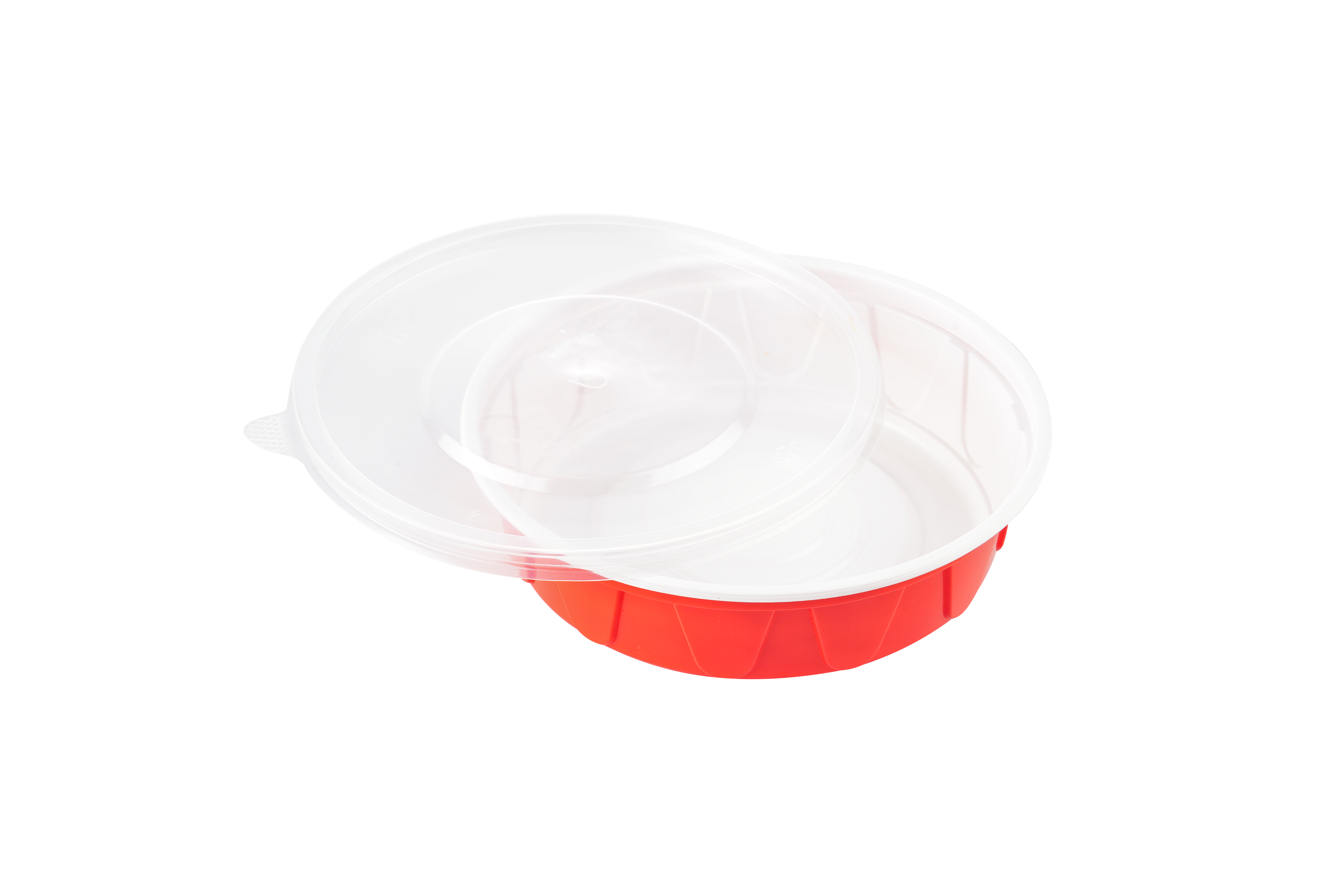
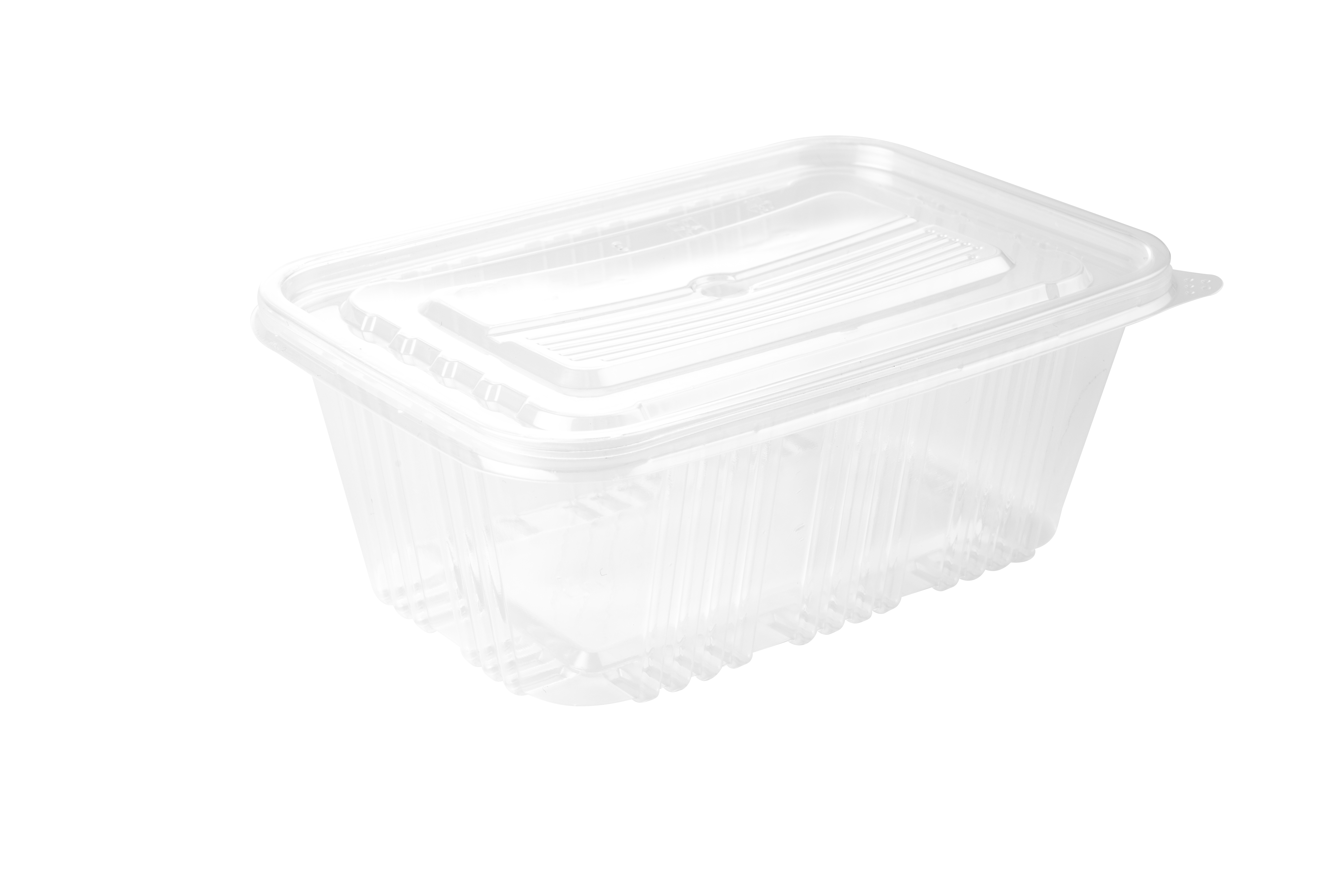
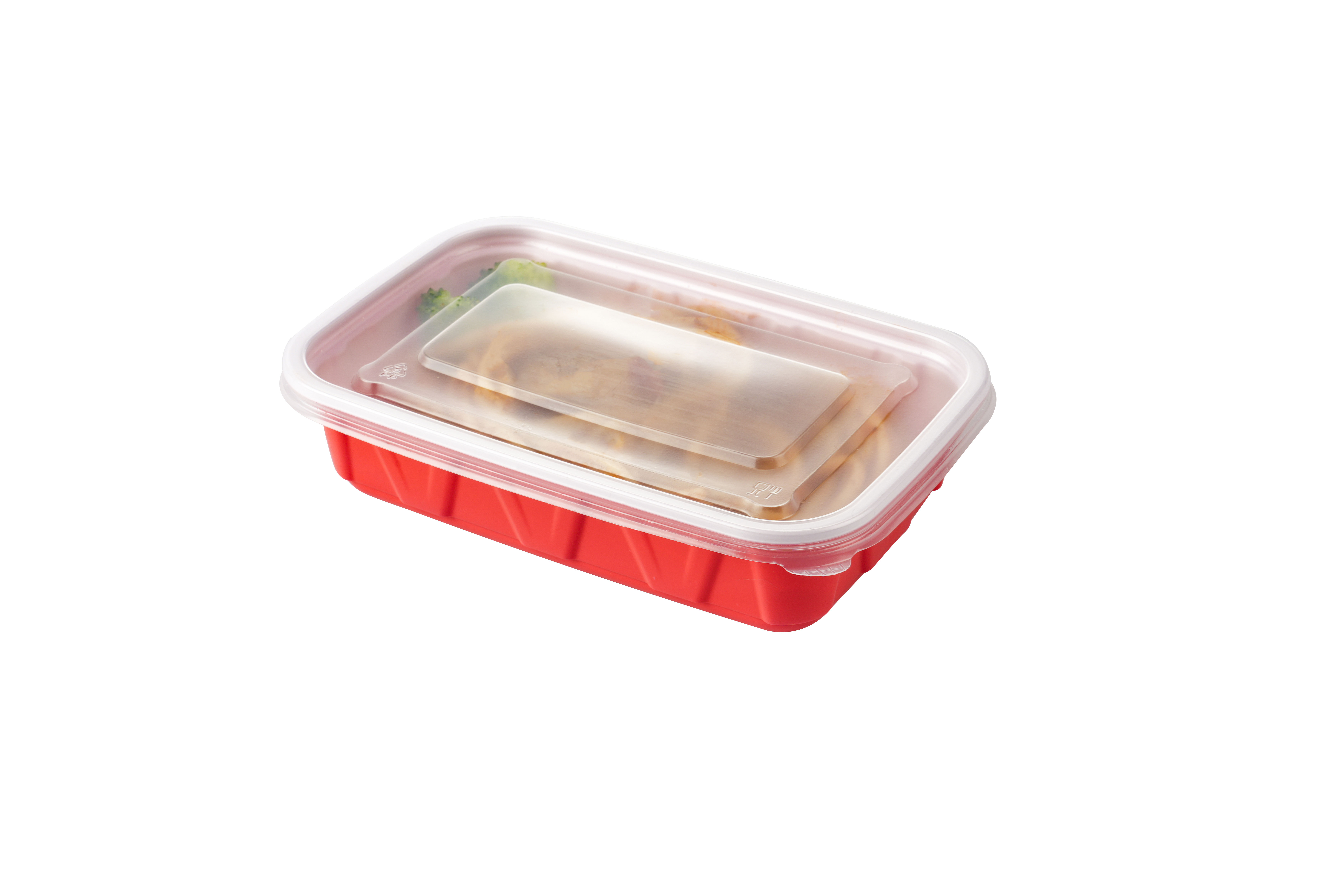
Kompostovateľné obaly na potraviny ponúkajú výnikajúce výkonné vlastnosti, ktoré sa rovnajú alebo dokonca prekonávajú tradičné plastové alternatívy, pričom zároveň zachovávajú úplnú environmentálnu kompatibilitu. Pokročilé bio-polymerové technológie vytvárajú molekulárne štruktúry, ktoré poskytujú vynikajúcu pevnosť, trvanlivosť a odolnosť voči extrémnym teplotám, čo zaisťuje spoľahlivé použitie v potravinárskych aplikáciách pri rôznych kulinárskych požiadavkách. Tieto obaly účinne vydržia teploty od mrazu až po 200 °F (približne 93 °C), čo ich robí vhodnými pre horúce polievky, zmrazené dezerty a všetko medzi tým, bez ohrozenia ich štrukturálnej integrity alebo bezpečnosti. Výrobný proces zahŕňa prírodné bariérové povlaky z rastlinných materiálov, ktoré poskytujú vynikajúcu odolnosť voči tukom a zabraňujú prieniku olejov a tukov, ktorý by mohol oslabiť výkon obalu alebo negatívne ovplyvniť prezentáciu potravín. Schopnosť odolávať vlhkosti zabezpečuje, že obaly uchovávajú svoj tvar a pevnosť aj pri obsahovaní potravín s vysokým obsahom tekutiny, ako sú polievky, omáčky a nápoje, po predĺžené obdobie. Normy bezpečnosti potravín sa dôsledne dodržiavajú prostredníctvom materiálov, ktoré neobsahujú žiadne škodlivé chemikálie, syntetické prísady ani zložky na báze ropy, ktoré by mohli migrovať do potravín. Obaly sú voľné od BPA, ftalátov a iných chemikálií narušujúcich endokrinný systém, ktoré sa bežne vyskytujú v konvenčnom plastovom obale, čím poskytujú zdravovo zvedavým spotrebiteľom bezpečnejšie možnosti ukladania potravín. Záruka nepremáčkavosti zabezpečuje, že obaly zabraňujú výliatkom a udržiavajú čerstvosť potravín počas prepravy a skladovania, čím sa zníži odpad a zvýši spokojnosť zákazníkov. Obaly vykazujú vynikajúcu schopnosť zásobovať sa jeden na druhom a efektívnosť pri skladovaní, čo umožňuje reštauráciám a kateringovým prevádzkam optimalizovať využitie priestoru v prípravných a doručovacích procesoch. Kontrolné opatrenia kvality zaisťujú konzistentnú hrúbku, pevnosť a bariérové vlastnosti v rámci jednotlivých výrobných šarží, čo poskytuje spoľahlivý výkon pre komerčné potravinárske služby. Mnohé kompostovateľné obaly na potraviny disponujú zlepšenými izolačnými vlastnosťami, ktoré pomáhajú dlhšie udržiavať teplotu potravín v porovnaní s tradičnými alternatívami, čím sa zvyšuje kvalita jedál a zážitok zákazníkov. Obaly odolávajú praskaniu, rozštiepeniu alebo degradácii za normálnych podmienok používania a poskytujú spoľahlivú službu po celú dobu ich predpokladanej životnosti. Schválenie FDA a certifikáty pre kontakt s potravinami potvrdzujú, že materiály použité pri výrobe obalov spĺňajú prísne bezpečnostné normy pre priamy kontakt s potravinami.

 EN
EN