 EN
EN

بچی ہوئی غذاء کو فریج میں ذخیرہ کرنے اور پھر براہ راست مائیکرو ویو میں گرم کرنے کی سہولت جدید غذاء کے انتظام کے طریقوں کا ایک بنیادی جزو بن چکی ہے۔ تاہم، حفاظت، مواد کی سالمیت اور ممکنہ کیمیائی نکاس کے بارے میں تشویشیں اکثر صارفین اور غذاء کی فراہمی کے آپریٹرز کو یہ سوال اٹھانے پر مجبور کرتی ہیں کہ کیا ڈھکن والے پلاسٹک کے غذاء کے برتنوں کو ٹھنڈے ذخیرہ کرنے سے لے کر مائیکرو ویو میں گرم کرنے تک کے عمل کے دوران محفوظ طریقے سے استعمال کیا جا سکتا ہے۔ درجہ حرارت کی شدید حدود کے تحت پولیمر کے رویے کے پیچھے کے سائنسی اصولوں، مواد کی تشکیل کے کردار اور مناسب استعمال کے طریقوں کو سمجھنا غذاء کی معیار اور صارفین کی صحت دونوں کے تحفظ کے لیے آگاہ فیصلے کرنے کے لیے ضروری ہے۔
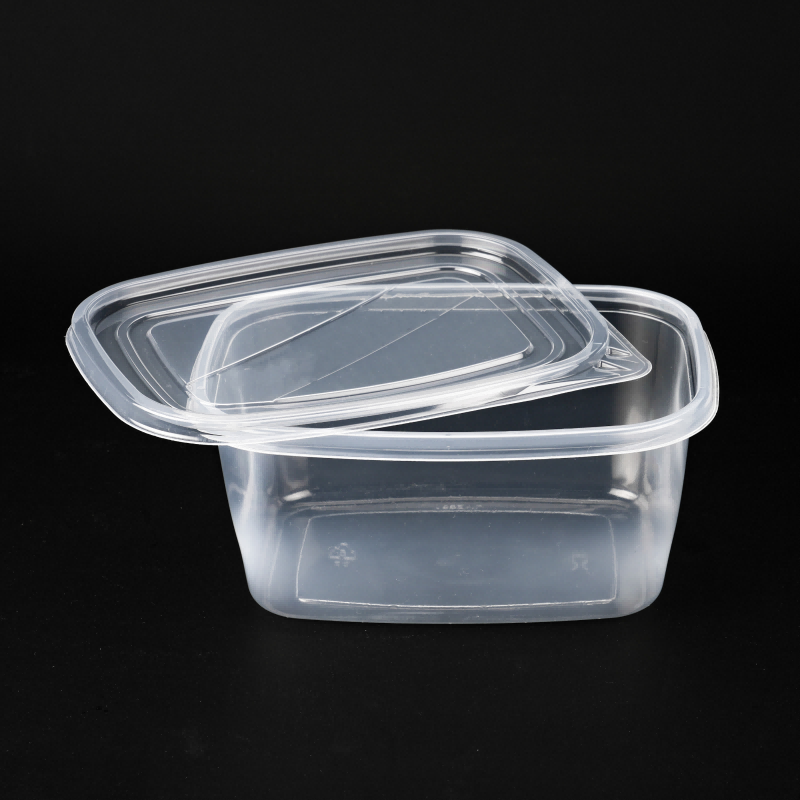
یہ فیصلہ کرنے کا جواب کہ کیا ڈھکن والے پلاسٹک کے کھانے کے برتنوں کو فریج سے مائیکرو ویو تک محفوظ طریقے سے منتقل کیا جا سکتا ہے، بنیادی طور پر خاص پولیمر کی قسم، تیاری کے معیارات، اور مناسب استعمال کے اصولوں پر عمل کرنے پر منحصر ہوتا ہے۔ تمام پلاسٹک ایک جیسے نہیں ہوتے جب کہ حرارتی استحکام اور غذائی رابطے کی حفاظت کے معاملے میں بات آئے۔ وہ برتن جن پر واضح طور پر 'مائیکرو ویو محفوظ' لکھا ہوا ہو، ان کا سخت ٹیسٹ کیا جا چکا ہوتا ہے تاکہ یہ یقینی بنایا جا سکے کہ وہ ٹھنڈے ذخیرہ کرنے کے بعد مائیکرو ویو دوبارہ گرم کرنے کے دوران درجہ حرارت کے اتار چڑھاؤ کو برداشت کر سکیں گے بغیر کہ وہ خراب ہوں، گھُل جائیں، یا غذا میں نقصان دہ مادوں کو خارج کریں۔ اس مضمون میں مواد کے سائنس، حفاظتی سرٹیفیکیشنز، عملی احتیاطیں، اور بہترین طریقوں کا جائزہ لیا گیا ہے جو یہ طے کرتے ہیں کہ آیا آپ کے ڈھکن والے پلاسٹک کے کھانے کے برتن اس عام آشپازی کے کام کے لیے مناسب ہیں یا نہیں۔
پولیمر کی اقسام اور درجہ حرارت کی روک تھام کو سمجھنا
کھانے کے برتنوں میں استعمال ہونے والے عام پلاسٹک
پلاسٹک کے کھانے کے برتن جن کے ڈھکن ہوتے ہیں، مختلف پولیمر کی اقسام سے تیار کیے جاتے ہیں، جن میں سے ہر ایک کی حرارتی خصوصیات اور حفاظتی صلاحیتیں الگ الگ ہوتی ہیں۔ پولی پروپی لین، جو ری سائیکلنگ کوڈ نمبر پانچ کے ذریعے شناخت کیا جاتا ہے، مائیکرو ویو میں استعمال کے لیے محفوظ کھانے کے برتنوں میں سب سے زیادہ استعمال ہونے والی مواد ہے، کیونکہ اس کا پگھلنے کا درجہ حرارت تقریباً 160 درجہ سیلسیئس ہوتا ہے اور یہ حرارتی دباؤ کے مقابلے میں بہترین مزاحمت فراہم کرتا ہے۔ یہ پولیمر 2 سے 4 درجہ سیلسیئس کے قریب ٹھنڈک کے درجہ حرارت اور اس قدر زیادہ حرارت کے تحت بھی اپنی ساختی مضبوطی برقرار رکھتا ہے جو مائیکرو ویو میں کھانے کے اندر درجہ حرارت کو 100 درجہ سیلسیئس سے زیادہ تک پہنچا سکتی ہے۔ پولی پروپی لین کے برتن دوبارہ دوبارہ حرارتی چکر کے تحت بھی ٹیڑھے ہونے، دراڑ پڑنے یا کیمیائی اجزاء کے منتقل ہونے کے مقابلے میں مزاحمت کرتے ہیں۔
پولی ایتھیلین ٹیری فتھالیٹ، جسے عام طور پر پی ای ٹی یا پی ای ٹی ای کے نام سے جانا جاتا ہے اور جسے ری سائیکلنگ کوڈ ایک کے ساتھ نشان زد کیا جاتا ہے، اکثر ایک بار استعمال ہونے والی خوراک کی پیکیجنگ اور کچھ دوبارہ استعمال ہونے والے برتنوں کے لیے استعمال کیا جاتا ہے۔ جبکہ پی ای ٹی ریفریجریشن اور کمرے کے درجہ حرارت پر اچھی کارکردگی کا مظاہرہ کرتا ہے، اس کی حرارتی استحکام پولی پروپی لین کے مقابلے میں محدود ہے، جس کا شیشے جیسا انتقال کا درجہ حرارت تقریباً 70 درجہ سیلسیس ہوتا ہے۔ جب پی ای ٹی کے برتنوں کو مائیکرو ویو کے ذریعے گرم کیا جاتا ہے تو وہ ڈی فارم ہو سکتے ہیں، خاص طور پر اگر خوراک بہت زیادہ درجہ حرارت تک پہنچ جائے یا اگر گرم کرنے کا وقت بڑھا دیا جائے۔ کم کثافت والی پولی ایتھیلین اور زیادہ کثافت والی پولی ایتھیلین، جنہیں بالترتیب کوڈ چار اور دو کے ساتھ نشان زد کیا جاتا ہے، اچھی کیمیائی مزاحمت فراہم کرتی ہیں لیکن ان کے پگھلنے کے درجہ حرارت کم ہونے کی وجہ سے انہیں براہ راست مائیکرو ویو استعمال کے لیے کم مناسب سمجھا جاتا ہے۔
درجہ حرارت کے انتقالات پلاسٹک کے استحکام کو کیسے متاثر کرتے ہیں
فریج سے مائیکرو ویو تک کا انتقال پلاسٹک کے کھانے کے برتنوں کو جن کے ڈھکن ہوتے ہیں، تیز حرارتی پھیلاؤ کے تحت رکھتا ہے، جس سے پولیمر میٹرکس کے اندر مالیکیولر بانڈز پر دباؤ پڑ سکتا ہے۔ جب ایک ٹھنڈا برتن اچانک مائیکرو ویو توانائی کے سامنے آتا ہے تو درجہ حرارت کا فرق غیر یکساں گرم ہونے کے نمونوں کو پیدا کرتا ہے جو مقامی سطح پر تناؤ کے نقاط کا باعث بن سکتے ہیں، خاص طور پر کونوں، کناروں اور مختلف موٹائی والے علاقوں میں۔ اعلیٰ معیار کے مائیکرو ویو محفوظ برتنوں کو یکساں دیوار کی موٹائی اور تناؤ کے مقابلے کے لیے مزاحم پولیمر کے فارمولیشن کے ساتھ ڈیزائن کیا گیا ہے تاکہ یہ حرارتی صدمہ برداشت کر سکیں بغیر ساختی یکسانی یا کھانے کی حفاظت کو متاثر کیے۔
غذائی اشیاء میں نمی، چربی اور شکر کی موجودگی مائیکرو ویو سے دوبارہ گرم کرتے وقت ڈھکن والے پلاسٹک کے غذائی برتنوں کے اندر حرارت کے تقسیم ہونے کو کافی حد تک متاثر کرتی ہے۔ چربی والی غذائیں پانی کے جوش آنے کے درجہ حرارت سے کہیں زیادہ درجہ حرارت تک پہنچ سکتی ہیں، جس میں مقامی گرم مقامات پر کبھی کبھار 150 ڈگری سیلسیئس سے بھی زیادہ درجہ حرارت بھی شامل ہوتا ہے۔ ایسی شدید صورتحال کے لیے ڈیزائن نہ کیے گئے برتنوں میں نرمی، تشکیل میں تبدیلی یا شدید صورتوں میں جزوی پگھلنا ہو سکتا ہے۔ ان حرارتی حرکیات کو سمجھنا اس بات کی وضاحت کرتا ہے کہ کچھ پلاسٹک کے برتن فریج سے مائیکرو ویو تک کے معاملات میں قابل اعتماد طریقے سے کام کرتے ہیں جبکہ دوسرے ناکام ہو جاتے ہیں یا حفاظتی خطرات پیدا کرتے ہیں۔
مواد کے اضافی اجزاء اور ان کا حرارتی رویہ
بنیادی پولیمر کے علاوہ، ڈھکن والے پلاسٹک کے خوراک کے برتنوں میں مختلف اضافیات شامل ہوتی ہیں جو حرارتی کارکردگی اور حفاظت پر اثر انداز ہوتی ہیں۔ پلاسٹی سائزرز، استحکام بخش اجزاء، رنگدار اجزاء اور پروسیسنگ ایڈز کو مطلوبہ خصوصیات جیسے لچک، یو وی مزاحمت یا جاذبی ظاہری شکل حاصل کرنے کے لیے تیاری کے دوران شامل کیا جاتا ہے۔ جب برتنوں کو مائیکرو ویو میں گرم کیا جاتا ہے، خاص طور پر سرد ذخیرہ کرنے کے بعد، تو یہ اضافیات پولیمر کے میٹرکس کے اندر زیادہ حرکت پذیر ہو سکتی ہیں اور اگر مواد کو حرارتی چکر کے لیے مناسب طریقے سے تیار نہ کیا گیا ہو تو یہ خوراک میں منتقل ہونے کا امکان رکھتی ہیں۔
مخصوص طور پر مائیکرو ویو کے استعمال کے لیے ڈیزائن کردہ برتنوں میں غذائی درجہ کے اضافیات استعمال کیے جاتے ہیں جو یخنی (ریفریجریشن) سے لے کر مائیکرو ویو گرم کرنے تک کے درجہ حرارت کے دائرے میں مستحکم رہتے ہیں۔ ان فارمولیشنز کا یو ایس فوڈ اینڈ ڈرگ ایڈمنسٹریشن یا یورپی فوڈ سیفٹی اتھارٹی جیسے اداروں کے ذریعہ طے شدہ ضابطوں کے مطابق منتقلی کے ٹیسٹ کیے جاتے ہیں۔ مائیکرو ویو کے لیے محفوظ سرٹیفیکیشن سے محروم برتنوں میں ایسے اضافیات ہو سکتے ہیں جن کا کبھی بھی اونچے درجہ حرارت پر غذائی رابطے کے اطلاق کے لیے ٹیسٹ نہیں کیا گیا ہو، جس کی وجہ سے ان کی حفاظت کے بارے میں غم و غصہ پیدا ہو جاتا ہے جب وہ پلاسٹک فوڈ کنٹینر لڑکیوں کے ساتھ دوبارہ گرم کرنے کے مقاصد کے لیے استعمال کیے جاتے ہیں۔
حفاظتی سرٹیفیکیشنز اور ضابطہ جاتی معیارات
مائیکرو ویو کے لیے محفوظ علامت کی ضروریات
مائیکرو ویو محفوظ علامت، جو عام طور پر ایک مائیکرو ویو آئیکن کے ساتھ لہردار لکیریں یا پلاسٹک کے خوراک کے برتنوں پر درج کردہ الفاظ 'مائیکرو ویو محفوظ' کی شکل میں دکھائی دیتی ہے جن کے ڈھکن ہوتے ہیں، یہ ظاہر کرتی ہے کہ اس مصنوعات نے مخصوص ٹیسٹنگ پروٹوکولز کو پاس کر لیا ہے۔ ان ٹیسٹوں کا مقصد یہ جاننا ہوتا ہے کہ کیا برتن مائیکرو ویو کے بار بار استعمال کے بعد جسمانی خرابی، زیادہ درجہ حرارت کے اضافے یا خوراک کے نمونوں میں کیمیائی مواد کے منتقل ہونے کے بغیر برداشت کر سکتے ہیں۔ صنعت کاروں کو یہ ثابت کرنا ہوتا ہے کہ ان کے برتن خوراک کی حفاظت کے معیارات کو برقرار رکھتے ہیں جب وہ مقررہ ہدایات کے مطابق استعمال کیے جائیں، بشمول درجہ حرارت کی حدود، گرم کرنے کا دورانیہ اور خوراک کی اقسام کی سفارشات۔
regulatory ادارے وہ زیادہ سے زیادہ قابلِ اجازت منتقلی کی سطحیں طے کرتے ہیں جو مواد کی ہو سکتی ہے جو عام استعمال کی حالتوں کے دوران کھانے میں کنٹینر کے مواد سے منتقل ہو سکتی ہے۔ مائیکرو ویو کے استعمال کے لیے بنائے گئے پلاسٹک کے کھانے کے کنٹینرز کے ساتھ ڈھکن کے لیے، ٹیسٹنگ بدترین صورتحال کی نمائندگی کرتی ہے جن میں اعلیٰ چربی والے کھانے، لمبے وقت تک گرم کرنے کا عرصہ، اور بار بار استعمال کے چکر شامل ہیں۔ ان سخت ضروریات کو پورا کرنے والے کنٹینرز کو سرٹیفیکیشن دی جاتی ہے جس کی اجازت دی جاتی ہے کہ وہ مائیکرو ویو محفوظ لیبل کو حاصل کر سکیں، جو صارفین اور کھانے کے کاروبار کو یہ یقین دلاتا ہے کہ فریج سے مائیکرو ویو تک استعمال مناسب طریقوں کے ساتھ کرنے پر انتہائی کم خطرہ رکھتا ہے۔
BPA-فری اور کھانے کے رابطے کی مطابقت
بِس فینول اے، جسے عام طور پر BPA کے اختصار سے جانا جاتا ہے، ایک کیمیائی مرکب ہے جو تاریخی طور پر کچھ پولی کاربونیٹ پلاسٹک اور اپوکسی رالز میں استعمال کیا جاتا تھا۔ ممکنہ غددِ صماء کو متاثر کرنے والے اثرات کے بڑھتے ہوئے تشویش کی وجہ سے بہت سے صنعت کاروں نے پلاسٹک کے کھانے کے کنٹینرز کو ڈھکن کے ساتھ BPA-فری مواد کا استعمال کرتے ہوئے دوبارہ تشکیل دینا شروع کر دیا، خاص طور پر مصنوعات حرارتی درجہ حرارت کے استعمال کے لیے مخصوص۔ جدید غذائی معیار کے پولی پروپیلین برتنوں میں اساسی طور پر بی پی اے نہیں ہوتا، کیونکہ اس کیمیائی مادے کو ان کے تیاری کے عمل میں استعمال نہیں کیا جاتا، جس سے فریج سے مائیکرو ویو تک استعمال کے دوران کیمیائی عرضہ کے حوالے سے صارفین کو اضافی تحفظ فراہم ہوتا ہے۔
بی پی اے کے بارے میں غور کرنے کے علاوہ ، کھانے کے ساتھ رابطے میں آنے والی جامع تعمیل میں بھاری دھاتیں ، غیر مستحکم نامیاتی مرکبات اور دیگر اضافی مادوں سمیت ممکنہ تارکین وطن کے وسیع پیمانے پر ٹیسٹ شامل ہیں۔ پلاسٹک کے کھانے کے کنٹینرز جن کے ڑکے ہیں جو سرد اور گرم دونوں حالات میں کھانے کے ساتھ رابطے کے لئے تصدیق شدہ ہیں ، کو متعدد مراحل سے جانچ پڑتال کی جاتی ہے جس میں مطلوبہ درجہ حرارت کی حد میں مواد کی کارکردگی کا جائزہ لیا جاتا ہے۔ تسلیم شدہ جانچ لیبارٹریوں کی جانب سے تیسری پارٹی کی تصدیق سے یہ آزادانہ تصدیق ہوتی ہے کہ کنٹینرز بین الاقوامی حفاظتی معیارات پر پورا اترتے ہیں، جس سے ادارہ جاتی خریداروں اور انفرادی صارفین کو مصنوعات کی حفاظت کے بارے میں معروضی یقین دہانی ہوتی ہے۔
علاقائی تنظیمی اختلافات
مختلف علاقوں میں ڈھکن والے پلاسٹک کے خوراک کے برتنوں کو لے کر الگ الگ تنظیمی چوکیاں قائم ہیں، جو اس بات کو متاثر کرتی ہیں کہ مصنوعات کو کس طرح جانچا جاتا ہے، لیبل کیا جاتا ہے اور بازار میں پیش کیا جاتا ہے۔ ریاستہائے متحدہ امریکہ میں، ایف ڈی اے (FDA) خوراک کے رابطے کی مواد کو ایک اطلاعی عمل کے ذریعے تنظیم کرتا ہے، جس میں صنعت کار اپنے مخصوص استعمال کی شرائط کے تحت محفوظ ہونے کا ثبوت فراہم کرتے ہیں۔ یورپی یونین ایک مثبت فہرست کے نقطہ نظر کو اپناتی ہے، جس میں صرف وہ اجزاء جو واضح طور پر منظور شدہ ہوں، خوراک کے رابطے کی مواد میں استعمال کیے جا سکتے ہیں، اور منظور شدہ مرکبات کے لیے مخصوص ہجرت کی حدود طے کی گئی ہیں۔
یہ ضابطہ جاتی تنوع کا مطلب ہے کہ ایک منڈی میں مائیکرو ویو کے استعمال کے لیے منظور شدہ پلاسٹک کے خوراک کے برتن جن کے ڈھکن ہوں، دوسرے خطے میں معیارات کو پورا کرنے کے لیے اضافی ٹیسٹنگ یا دوبارہ فارمولیشن کے متحمل ہو سکتے ہیں۔ بین الاقوامی سطح پر کام کرنے والے کاروباروں یا متعدد سپلائرز سے برتن حاصل کرنے والے کاروباروں کے لیے، ان فرق کو سمجھنا اطاعت یقینی بنانے اور مسلسل حفاظتی معیارات برقرار رکھنے کے لیے نہایت اہم ہو جاتا ہے۔ صارفین ان برتنوں کو منتخب کر کے فائدہ اٹھاتے ہیں جو سب سے سخت ضابطہ جاتی تقاضوں کو پورا کرتے ہیں یا ان سے تجاوز کرتے ہیں، جس سے فریج سے مائیکرو ویو تک برتنوں کے منتقل ہونے کے دوران زیادہ سے زیادہ اعتماد فراہم ہوتا ہے۔
فریج سے مائیکرو ویو تک محفوظ استعمال کے عملی نکات
مناسب برتن کا انتخاب اور معائنہ
فریج سے مائیکرو ویو تک استعمال کے لیے مناسب پلاسٹک کے کھانے کے برتنوں کا انتخاب شروع ہوتا ہے ان کے لیبل اور تصدیق کے نشانات کا غور سے جائزہ لینے سے۔ برتنوں پر صاف طور پر مائیکرو ویو محفوظ (microwave-safe) کا بیان درج ہونا چاہیے، بجائے اس کے کہ ظاہری شکل یا عمومی کھانے کی ذخیرہ کرنے کے دعوؤں پر انحصار کیا جائے۔ اس کے علاوہ، جن برتنوں میں دھندلاہٹ، خراشیں، موڑنا یا رنگ بدل جانا جیسے استعمال کے نشانات نظر آئیں، انہیں مائیکرو ویو کے استعمال کے لیے فارغ کر دینا چاہیے، کیونکہ سطح کی خرابی گرم کرتے وقت کیمیائی اجزاء کے منتقل ہونے کی شرح بڑھا سکتی ہے اور ساختی مضبوطی کو متاثر کر سکتی ہے۔
ڈھکن کی حالت پر خاص توجہ دینے کی ضرورت ہوتی ہے، کیونکہ پلاسٹک کے خوراک کے برتنوں میں ڈھکن عام طور پر بنیادی برتن کے مقابلے میں مختلف مواد یا موٹائی کے استعمال کرتے ہیں۔ کچھ ڈھکنوں کو صرف اسٹوریج اور نقل و حمل کے لیے ڈیزائن کیا جاتا ہے، مائیکرو ویو ہیٹنگ کے لیے نہیں، اس لیے دوبارہ گرم کرنے سے پہلے انہیں ہٹانا یا ہوا چھوڑنا ضروری ہوتا ہے۔ مائیکرو ویو کے دوران ڈھکن کے استعمال کے بارے میں سازندہ کے ہدایات کی جانچ کرنا دباؤ کی تعمیر، غیر یکساں گرمی اور ممکنہ برتن کی ناکامی کو روکتا ہے۔ اعلیٰ معیار کے مائیکرو ویو محفوظ سیٹ واضح طور پر یہ بتاتے ہیں کہ کیا گرم کرتے وقت ڈھکن جگہ پر رہ سکتے ہیں اور مناسب ہوا چھوڑنے کے طریقوں پر رہنمائی فراہم کرتے ہیں۔
درجہ حرارت کے اچانک تبدیلی کا انتظام
جبکہ گھریلو مائیکرو ویو کے لیے محفوظ پلاسٹک کے کھانے کے برتن جن کے ڈھکن ہوتے ہیں، انہیں حرارتی تبدیلیوں کو برداشت کرنے کے قابل بنایا گیا ہے، تاہم درجہ بدرجہ درجہ حرارتی تبدیلیوں کو اپنانے سے برتن کی عمر بڑھائی جا سکتی ہے اور بہترین کارکردگی کو یقینی بنایا جا سکتا ہے۔ فریج سے نکالنے کے بعد برتنوں کو کچھ منٹ تک کمرے کے درجہ حرارت پر رکھنا، مائیکرو ویو گرم کرنے کے آغاز پر حرارتی صدمے کی شدت کو کم کرتا ہے۔ یہ طریقہ خاص طور پر ان برتنوں کے لیے فائدہ مند ہے جن میں پانی کی زیادہ مقدار والے کھانے یا لمبے وقت تک گرم کرنے کی ضرورت والے کھانے رکھے گئے ہوں۔
مایکرو ویو کی طاقت کی ترتیبات اور ان کے برتن پر دباؤ کے تعلق کو سمجھنا محفوظ استعمال کو بہتر بنانے میں مدد دیتا ہے۔ زیادہ سے زیادہ طاقت کے بجائے درمیانی طاقت کی ترتیبات کا استعمال کرنا حرارت کو زیادہ آہستہ اور یکساں طور پر خوراک اور برتن دونوں میں تقسیم کرتا ہے۔ اس طریقہ کار سے گرم مقامات کو کم کیا جاتا ہے جو ڈھکن والے پلاسٹک کے برتنوں کو نقصان پہنچا سکتے ہیں، اور مقامی طور پر زیادہ گرم ہونے کے خطرے کو بھی کم کیا جاتا ہے جو مواد کی سالمیت کو متاثر کر سکتا ہے۔ گرم کرنے کے دوران خوراک کو درمیان میں ہلانا بھی درجہ حرارت کی یکساں تقسیم کو فروغ دیتا ہے، جس سے نہ صرف خوراک کی معیار بلکہ برتن کی حالت کی حفاظت بھی ہوتی ہے۔
خوراک کی قسم اور برتن کی سازگاری
مختلف غذائی اجزاء کا اثر یہ ہوتا ہے کہ ڈھکن والے پلاسٹک کے کھانے کے برتن فریج میں رکھنے کے بعد مائیکرو ویو کی حرارت کے لیے کس طرح ردِ عمل ظاہر کرتے ہیں۔ چربی یا شکر کی زیادہ مقدار والی غذائیں پانی پر مبنی غذاؤں کے مقابلے میں کافی زیادہ درجہ حرارت تک پہنچ سکتی ہیں، جس سے کچھ پلاسٹک کے مواد کے محفوظ استعمال کے درجہ حرارت سے تجاوز ہو سکتا ہے۔ جب چربی والے گوشت، تیل پر مبنی ساسز یا شکر سے بھرپور میٹھے پکوان دوبارہ گرم کیے جا رہے ہوں تو احتیاط کی خاص ضرورت ہوتی ہے تاکہ یقینی بنایا جا سکے کہ برتنوں کو بلند درجہ حرارت کے استعمال کے لیے خصوصی طور پر درجہ بندی کیا گیا ہے۔
ٹماٹر پر مبنی ساس، سائٹرس تیاریاں یا سرکہ شامل کھانوں جیسی ایسڈک غذائیں نیوٹرل pH کی غذاؤں کے مقابلے میں ڈھکن والے پلاسٹک کے کھانے کے برتنوں کے ساتھ مختلف طرح سے تعامل کر سکتی ہیں۔ جبکہ اعلیٰ معیار کے پولی پروپی لین کے برتن ایسڈک مواد کے ساتھ کیمیائی تعامل کے خلاف مزاحمت کرتے ہیں، تاہم لمبے عرصے تک ذخیرہ کرنے کے بعد مائیکرو ویو سے گرم کرنا، اگر برتن مناسب طریقے سے تیار نہ کیے گئے ہوں تو، مواد کے منتقل ہونے کے امکان کو بڑھا سکتا ہے۔ اعلیٰ درجے کے کھانے کے ذخیرہ کرنے کے نظام کے سازندہ اس بات کی تصدیق کے لیے ایسڈک غذاؤں کے مشابہ مواد کے ساتھ مخصوص ٹیسٹنگ کرتے ہیں، اور یہ معلومات خاص مینو آئٹمز یا غذاؤں کے لیے برتن کے انتخاب کو متاثر کرنی چاہیے۔
بہترین طریقے اور استعمال کی ہدایات
سازندہ کی ہدایات اور محدودیتیں
ہر پلاسٹک کے کھانے کے برتن جن کے ڈھکن ہوتے ہیں، کا سازوں نے اپنے مصنوعات کے لیے محفوظ استعمال کے لیے خاص ہدایات فراہم کی ہیں جو ان کے محفوظ آپریشن کے پیرامیٹرز کو بیان کرتی ہیں۔ ان ہدایات میں عام طور پر زیادہ سے زیادہ درجہ حرارت کی حد، تجویز کردہ گرم کرنے کا دورانیہ، مناسب غذائی اقسام اور دیکھ بھال کے طریقے شامل ہوتے ہیں۔ ان ہدایات پر عمل کرنا یقینی بناتا ہے کہ برتن اپنے مقصد کے مطابق کام کریں اور غلط استعمال سے وابستہ خطرات کو کم سے کم کر دیا جائے۔ جب ساز کی دستاویزات غیر واضح ہوں یا دستیاب نہ ہوں تو، فراہم کنندہ سے براہ راست رابطہ کرنا یا مکمل ہدایات کے ساتھ متبادل برتن کا انتخاب کرنا ضروری حفاظتی یقین دہانی فراہم کرتا ہے۔
کچھ اعلیٰ معیار کے پلاسٹک کے خوراک کے برتن جن کے ڈھکن ہوتے ہیں، فریج سے مائیکرو ویو تک استعمال کے لیے زیادہ سے زیادہ سائیکل گنتی کی وضاحت کرتے ہیں، جس سے اس بات کا اعتراف کیا جاتا ہے کہ بار بار حرارتی دباؤ آخرکار پولیمر کی خصوصیات کو خراب کر دیتا ہے۔ پیشہ ورانہ خوراک کی فراہمی کے آپریشنز کو برتنوں کے گردش نظام کو نافذ کرنے سے فائدہ ہوتا ہے جو استعمال کی شرح کو ٹریک کرتا ہے اور تجویز کردہ سائیکل حد تک پہنچنے کے بعد برتنوں کو ریٹائر کر دیتا ہے۔ یہ حفاظتی نقطہ نظر مسلسل حفاظتی معیارات کو برقرار رکھتا ہے اور ان برتنوں کی ناکامی کو روکتا ہے جو خوراک کی معیار کو متاثر کر سکتی ہے یا صارفین کی حفاظت سے متعلق مسائل پیدا کر سکتی ہے۔
وینٹنگ اور دباؤ کو دور کرنے کی تکنیکیں
پلاسٹک کے خوراک کے برتنوں کو مائیکرو ویو میں استعمال کرتے وقت درست وینٹنگ (ہوا نکالنے) کا عمل انتہائی اہم ہوتا ہے، خاص طور پر جب انہیں سرد ذخیرہ کرنے کے بعد استعمال کیا جا رہا ہو جہاں تریل (کنڈینسیشن) اور درجہ حرارت کی وجہ سے دباؤ میں تبدیلیاں واقع ہوتی ہیں۔ بند برتنوں میں گرم کرتے وقت پانی کی آئیں اور بھاپ کے جمع ہونے کی وجہ سے خطرناک دباؤ بڑھ سکتا ہے، جس کی وجہ سے ڈھکن اچانک باہر نکل سکتے ہیں یا برتن پھٹ سکتے ہیں۔ ڈھکن کے ایک کونے کو تھوڑا سا کھول کر یا ایسے برتنوں کا استعمال کرکے جن میں پہلے سے ہی وینٹنگ کا نظام موجود ہو، بھاپ کو محفوظ طریقے سے باہر نکلنے کا موقع فراہم کیا جا سکتا ہے جبکہ چھینٹوں (اسپلش) سے تحفظ برقرار رہتا ہے۔
پلاسٹک کے خوراک کے برتنوں میں جدید ڈیزائنز جن کے ڈھکن ہوتے ہیں، میں انجینئرڈ وینٹنگ خصوصیات شامل ہیں، جیسے کنٹرولڈ بھاپ کے اخراج والے والو یا دباؤ کو مساوی بنانے والے چینلز۔ یہ نئی ایجادات مناسب وینٹنگ کے بارے میں اندازہ لگانے کی ضرورت کو ختم کر دیتی ہیں، جبکہ صرف ڈھکن کو یلا کرنے کے مقابلے میں چھلکنے سے روکنے کی بہتر صلاحیت فراہم کرتی ہیں۔ جب ادارہ جاتی یا تجارتی استعمال کے لیے برتنوں کا انتخاب کیا جاتا ہے، جہاں مستقلگی اور حفاظت سب سے اہم ہوتی ہے، تو مقصد کے مطابق بنائی گئی وینٹنگ خصوصیات والے ڈیزائنز کو ترجیح دینا صارف کی غلطیوں کو کم کرتا ہے اور مختلف قسم کی خوراک اور گرم کرنے کے حالات میں آپریشنل قابل اعتمادی کو بڑھاتا ہے۔
صاف کرنے اور دیکھ بھال کے طریقہ کار
پلاسٹک کے خوراک کے برتنوں کو ڈھکن کے ساتھ بہترین حالت میں برقرار رکھنا مناسب صفائی کے طریقوں کی ضرورت ہوتی ہے جو مواد کی سالمیت کو محفوظ رکھتے ہوئے خوراک کی حفاظت کو یقینی بناتے ہیں۔ تیز رفتار رگڑنے والے اوزار، شدید کیمیائی صاف کرنے والے ادویات اور دھونے کے دوران زیادہ طاقتور مکینیکل دباؤ سے برتنوں کی سطح پر مائیکرو اسکوپک نقصان ہو سکتا ہے، جو بعد میں حرارتی چکر (تھرمل سائیکلنگ) کے دوران ان کے تخریب کو تیز کر دیتا ہے۔ نرم سپنج، ہلکے صابن اور کلورین پر مبنی صاف کرنے والی ادویات سے گریز کرنا سطح کے ہموار ختم ہونے کو برقرار رکھنے میں مدد دیتا ہے، جس سے بیکٹیریا کے چپکنے اور کیمیائی اجزاء کے منتقل ہونے کے خطرات کو کم کیا جا سکتا ہے۔
پلاسٹک کے خوراک کے برتنوں کو ڈھکن کے ساتھ ڈش واشر میں استعمال کرنے کا معاملہ غور طلب ہے، کیونکہ ڈش واشر کے درجہ حرارت اور طاقتور صاف کرنے والی ادویات عام مائیکرو ویو استعمال کے دوران پیدا ہونے والے دباؤ سے زیادہ ہو سکتے ہیں۔ جن برتنوں کو مائیکرو ویو اور ڈش واشر دونوں کے لیے محفوظ قرار دیا گیا ہے، ان کا امتزاجی دباؤ کی حالتوں کے تحت تجربہ کیا گیا ہے، لیکن انہیں گرمائی عناصر سے دور اوپری الریک (ٹاپ ریک) پر رکھنا ان کی عمر بڑھانے میں مدد دیتا ہے۔ سروس زندگی۔ فریج سے مائیکرو ویو تک کے استعمال کے لیے زیادہ سے زیادہ عمر کے لیے، مناسب طریقوں سے ہاتھ سے دھونا اکثر خودکار صاف کرنے کے مقابلے میں بہتر ثابت ہوتا ہے، خاص طور پر ان برتنوں کے لیے جو طلب کرنے والے تجارتی ماحول میں استعمال ہوتے ہیں۔
متبادل طریقے اور مواد کا موازنہ
شیشے اور سرامک برتنوں کے اختیارات
جبکہ ڈھکن والے پلاسٹک کے کھانے کے برتن آسانی، ہلکے وزن کی قابلیت اور ٹوٹنے کے مقابلے میں مضبوطی فراہم کرتے ہیں، شیشے اور سرامک کے متبادل فریج سے مائیکرو ویو تک کے استعمال کے لیے مختلف فوائد پیش کرتے ہیں۔ بوروسیلیکیٹ شیشے کے برتن انتہائی درجہ کی حرارتی صدمے کے مقابلے میں مضبوطی ظاہر کرتے ہیں اور کیمیائی منتقلی کے بارے میں تمام تشویش کو مکمل طور پر ختم کر دیتے ہیں، جس کی وجہ سے یہ حساس غذائی درجوں یا ایسی صورتحال کے لیے مثالی ہیں جہاں زیادہ سے زیادہ حفاظتی یقین کی ضرورت ہو۔ تاہم، شیشے کے برتن وزن میں بھاری، زیادہ شکست پذیر اور عام طور پر پلاسٹک کے اختیارات کے مقابلے میں مہنگے ہوتے ہیں، جو ان کی مخصوص عملی حالات کے لیے مناسبیت کو متاثر کرتے ہیں۔
پلاسٹک کے ڈھکن اور شیشے کے بنیادوں کو جوڑنے والے ہائبرڈ طریقے تیزی سے مقبول ہو رہے ہیں، جو دونوں مواد کی بہترین خصوصیات پیش کرتے ہیں۔ یہ نظام غذاء کے براہِ راست رابطے کے لیے شیشے کی حرارتی استحکام اور ناکارہ قدرت کو برقرار رکھتے ہیں، جبکہ ذخیرہ کرنے کے لیے پلاسٹک کے ڈھکنوں کی سہولت اور درست سیل کی حفاظت کا فائدہ اُٹھاتے ہیں۔ جب آپ غور کر رہے ہوتے ہیں کہ کیا پلاسٹک کے غذائی برتن جن کے ڈھکن ہوں، فریج سے مائیکرو ویو تک محفوظ طریقے سے استعمال کیے جا سکتے ہیں، تو ان متبادل اور ہائبرڈ اختیارات کا جائزہ لینا مختلف مواد کے انتخاب میں موجود معاملاتِ توازن کو سمجھنے کے لیے ایک مناسب پس منظر فراہم کرتا ہے۔
سیلیکون پر مبنی ذخیرہ کرنے کے حل
غذائی درجہ کا سلیکون دوبارہ استعمال ہونے والے غذائی برتن کے منڈی میں ایک اور مواد ہے جو مقبولیت حاصل کر رہا ہے، جو لچک، وسیع درجہ حرارت کی رواداری اور غیر چپکنے والی خصوصیات فراہم کرتا ہے۔ سلیکون کے برتن فریزر اور اونچے درجہ حرارت کے اوون دونوں کے استعمال کو برداشت کر سکتے ہیں، جس کی وجہ سے یہ حرارتی سائیکلنگ کے درخواستوں کے لیے بہت ہی جامع ہیں۔ تاہم، سلیکون کے مصنوعات کو معیار کے لیے عام طور پر زیادہ احتیاط سے معائنہ کرنے کی ضرورت ہوتی ہے، کیونکہ کم درجہ کا سلیکون ایسے بھرنے والے اجزاء پر مشتمل ہو سکتا ہے جو غذائی حفاظت اور عمل کی خصوصیات کو متاثر کرتے ہیں۔
سیلیکون کے اختیارات کا مقابلہ روایتی پلاسٹک کے کھانے کے برتنوں سے جن میں ڈھکنیں ہوتی ہیں، مختلف استعمال کے معاملات کے فائدے واضح کرتا ہے۔ سیلیکون کی لچک اسے گھٹانے والے ڈیزائن کی اجازت دیتی ہے جو ذخیرہ کرنے کی جگہ بچاتے ہیں، جبکہ اس کی اعلیٰ درجہ حرارت کی برداشت مائیکرو ویو کے استعمال کے دوران مقامی طور پر زیادہ گرم ہونے کے خدشات کو ختم کر دیتی ہے۔ معیاری سیلیکون کی مصنوعات کی بلند قیمت انہیں مخصوص حل کے طور پر جگہ دیتی ہے نہ کہ روایتی پلاسٹک کے برتنوں کی جامع جگہ لینے والی متبادل، خاص طور پر تجارتی کھانے کی سروس میں جہاں لاگت فی استعمال کی معیشت مواد کے انتخاب کے فیصلوں کو متاثر کرتی ہے۔
قابلِ تحلیل اور پودوں پر مبنی متبادل
ماحولیاتی پائیداری کے تعلق سے فکر نے روایتی پلاسٹک کے کھانے کے برتنوں اور ان کے ڈھکنوں کے بجائے قابلِ تحلیل اور پودوں پر مبنی متبادل کی ترقی کو فروغ دیا ہے۔ کان کے آٹے سے حاصل شدہ پولی لاکٹک ایسڈ جیسے مواد ماحول پر کم اثر انداز ہوتے ہیں، لیکن عام طور پر یہ روایتی پولی پروپی لین کے مقابلے میں درجہ حرارت کی محدود حدود کے اندر ہی استعمال کیے جا سکتے ہیں۔ بہت سے قابلِ تحلیل برتن ایک بار استعمال کے لیے ڈیزائن کیے گئے ہیں اور ان میں دوبارہ استعمال کے لیے ضروری مضبوطی نہیں ہوتی، جس کی وجہ سے یہ فرج سے مائیکرو ویو تک بار بار استعمال کرنے والے کھانے کے ذخیرہ کرنے کے نظام کے لیے کم مناسب ہوتے ہیں۔
ماحول دوست متبادل کی کارکردگی کی حدود کو سمجھنا اس بات کو سمجھنے میں مدد دیتا ہے کہ حرارتی چکر کارکردگی کی قابل اعتماد ضروریات والے استعمالات میں اعلیٰ معیار کے روایتی پلاسٹک کے کھانے کے برتنوں کو ڈھکن کے ساتھ کیوں غالب مقام حاصل ہے۔ جب کہ مواد کی سائنس میں ترقی جاری ہے، آنے والی نسل کے بائیوپالیمرز آخرکار موجودہ مصنوعی اختیارات کی حرارتی استحکام اور پائیداری کو برابر کر سکتے ہیں جبکہ ان کے استعمال کے بعد کے تربیتی خصوصیات میں بہتری بھی لاسکتے ہیں۔ جب تک کہ یہ ٹیکنالوجیاں بالغ نہیں ہوتیں، برتنوں کا انتخاب کرتے وقت کارکردگی کی ضروریات، حفاظتی نکات، ماحولیاتی اثرات اور معاشی عوامل کے درمیان توازن قائم کرنا ضروری ہوتا ہے۔
فیک کی بات
کیا تمام پلاسٹک کے کھانے کے برتن جن پر ری سائیکلنگ کے کوڈ درج ہوں، مائیکرو ویو استعمال کے لیے محفوظ ہیں؟
نہیں، ری سائیکلنگ کوڈز پولیمر کی قسم کو ظاہر کرتے ہیں لیکن وہ مائیکرو ویو کی حفاظت کی تصدیق نہیں کرتے۔ صرف وہ برتن جن پر واضح طور پر 'مائیکرو ویو محفوظ' کا لیبل لگا ہوا ہو، ان کا اس بات کو یقینی بنانے کے لیے ٹیسٹ کیا گیا ہے کہ وہ مائیکرو ویو کی حرارت کو برداشت کر سکیں گے بغیر کہ وہ خراب ہوں یا نقصان دہ مادے خارج کریں۔ پولی پروپیلین، جسے ری سائیکلنگ کوڈ پانچ کے ساتھ نشان زد کیا گیا ہے، عام طور پر مائیکرو ویو محفوظ برتنوں کے لیے استعمال ہوتا ہے، لیکن اس کوڈ کی موجودگی تنہا یہ ضمانت نہیں دیتی کہ مخصوص مصنوعات کا مائیکرو ویو کے استعمال کے لیے ٹیسٹ اور تصدیق کی گئی ہے۔ ہمیشہ واضح مائیکرو ویو محفوظ علامتوں یا کارخانہ دار کے بیانات کو تلاش کریں، نہ کہ صرف ری سائیکلنگ شناختی کوڈز پر اعتماد کریں۔
کیا میں فریزر میں اسٹوریج اور مائیکرو ویو سے دوبارہ گرم کرنے کے لیے ایک ہی پلاسٹک کے کھانے کے برتنوں اور ان کے ڈھکنوں کا استعمال کر سکتا ہوں؟
کئی اعلیٰ معیار کے پلاسٹک کے کھانے کے برتن جن کے ڈھکن ہوتے ہیں، کو فریزر، ریفریجریٹر اور مائیکرو ویو کے استعمال سمیت متعدد درجہ حرارت کے اطلاقات کے لیے ڈیزائن کیا گیا ہے، لیکن یہ صلاحیت واضح طور پر سازندہ کی طرف سے بیان کردی جانا ضروری ہے۔ فریزر سے مائیکرو ویو تک استعمال کے لیے سرٹیفائیڈ برتنوں کو انتہائی درجہ حرارت کے فرق کو برداشت کرنے کی صلاحیت کو یقینی بنانے کے لیے اضافی ٹیسٹنگ سے گزرنا پڑتا ہے، جو سادہ ریفریجریٹر سے مائیکرو ویو تک منتقلی کے دباؤ سے کہیں زیادہ ہوتا ہے۔ متعدد درجہ حرارت کی سرٹیفیکیشن کے لیے پروڈکٹ لیبلنگ کو چیک کریں، اور یہ نوٹ کریں کہ کچھ برتن الگ الگ فریزر اور مائیکرو ویو کے لیے محفوظ ہو سکتے ہیں، لیکن انہیں درمیانی تھوڑے ہونے کے بغیر ان انتہائی درجہ حرارت کے درمیان براہِ راست منتقلی کے لیے ٹیسٹ نہیں کیا گیا ہوتا۔
میں پلاسٹک کے کھانے کے برتنوں (جن کے ڈھکن ہوں) میں کھانا کتنی بار دوبارہ گرم کر سکتا ہوں، اس سے پہلے کہ برتن کو تبدیل کر دیا جائے؟
پلاسٹک کے کھانے کے برتنوں کا محفوظ دوبارہ استعمال کا دورانیہ جو ڈھکن کے ساتھ ہوتے ہیں، ان کے مواد کی معیار، استعمال کے حالات اور دیکھ بھال کے طریقوں پر منحصر ہوتا ہے۔ درجہ اول مائیکرو ویو محفوظ برتن عام طور پر صنعت کار کی ہدایات کے مطابق استعمال کرنے پر سینکڑوں حرارتی چکروں کو برداشت کر سکتے ہیں، جبکہ کم معیار کے مصنوعات کا استعمال صرف درجنوں بار کے بعد ہی خراب ہو سکتا ہے۔ بصری معائنہ تبدیلی کے فیصلے کے لیے عملی رہنمائی فراہم کرتا ہے: ان برتنوں کو ریٹائر کر دیں جن میں دھندلاہٹ، گھُماؤ، دراڑیں، مستقل بو یا رنگ تبدیل ہونے کے نشانات نظر آئیں۔ پیشہ ورانہ فوڈ سروس کے آپریشنز اکثر مسلسل حفاظتی معیارات کو یقینی بنانے کے لیے صنعت کار کی سفارشات یا اپنے اندرونی ٹیسٹنگ پروٹوکول کی بنیاد پر منظم تبدیلی کے شیڈول لاگو کرتے ہیں۔
کیا مجھے مائیکرو ویو میں گرم کرنے سے پہلے پلاسٹک کے کھانے کے برتنوں کا ڈھکن اتارنا چاہیے، یا کیا میں ڈھکن لگائے ہوئے ہی کھانا گرم کر سکتا ہوں؟
کیا ڈھکن والے پلاسٹک کے خوراک کے برتنوں پر ڈھکن مائیکرو ویو ہیٹنگ کے دوران رکھے جا سکتے ہیں، یہ مخصوص مصنوعات کی ڈیزائن اور سازندہ کے ہدایات پر منحصر ہے۔ کچھ نظاموں میں ڈھکنوں کو ایسے ڈیزائن کیا گیا ہے کہ وہ بھاپ نکالنے کے آلات سے لیس ہوں تاکہ چھینٹے کو روکتے ہوئے محفوظ طریقے سے مائیکرو ویو استعمال کیا جا سکے، جبکہ دوسرے ڈھکن صرف ذخیرہ کرنے کے لیے بنائے گئے ہوتے ہیں اور انہیں گرم کرنے سے پہلے ہٹا دینا ضروری ہوتا ہے۔ جب ڈھکن مائیکرو ویو کے لیے محفوظ ہوں تو انہیں بھاپ نکالنے کے لیے مناسب طریقے سے رکھنا چاہیے، عام طور پر ایک کونے کو تھوڑا سا کھولا رکھنا یا اندرونی بھاپ نکالنے کی خصوصیات کا استعمال کرنا۔ کبھی بھی ڈھکن کو مکمل طور پر بند کر کے مائیکرو ویو نہ کریں، کیونکہ دباؤ کا اضافہ برتن کی خرابی یا ڈھکن کے زوردار چھوٹنے کا باعث بن سکتا ہے۔
موضوعات کی فہرست
- پولیمر کی اقسام اور درجہ حرارت کی روک تھام کو سمجھنا
- حفاظتی سرٹیفیکیشنز اور ضابطہ جاتی معیارات
- فریج سے مائیکرو ویو تک محفوظ استعمال کے عملی نکات
- بہترین طریقے اور استعمال کی ہدایات
- متبادل طریقے اور مواد کا موازنہ
-
فیک کی بات
- کیا تمام پلاسٹک کے کھانے کے برتن جن پر ری سائیکلنگ کے کوڈ درج ہوں، مائیکرو ویو استعمال کے لیے محفوظ ہیں؟
- کیا میں فریزر میں اسٹوریج اور مائیکرو ویو سے دوبارہ گرم کرنے کے لیے ایک ہی پلاسٹک کے کھانے کے برتنوں اور ان کے ڈھکنوں کا استعمال کر سکتا ہوں؟
- میں پلاسٹک کے کھانے کے برتنوں (جن کے ڈھکن ہوں) میں کھانا کتنی بار دوبارہ گرم کر سکتا ہوں، اس سے پہلے کہ برتن کو تبدیل کر دیا جائے؟
- کیا مجھے مائیکرو ویو میں گرم کرنے سے پہلے پلاسٹک کے کھانے کے برتنوں کا ڈھکن اتارنا چاہیے، یا کیا میں ڈھکن لگائے ہوئے ہی کھانا گرم کر سکتا ہوں؟