 EN
EN

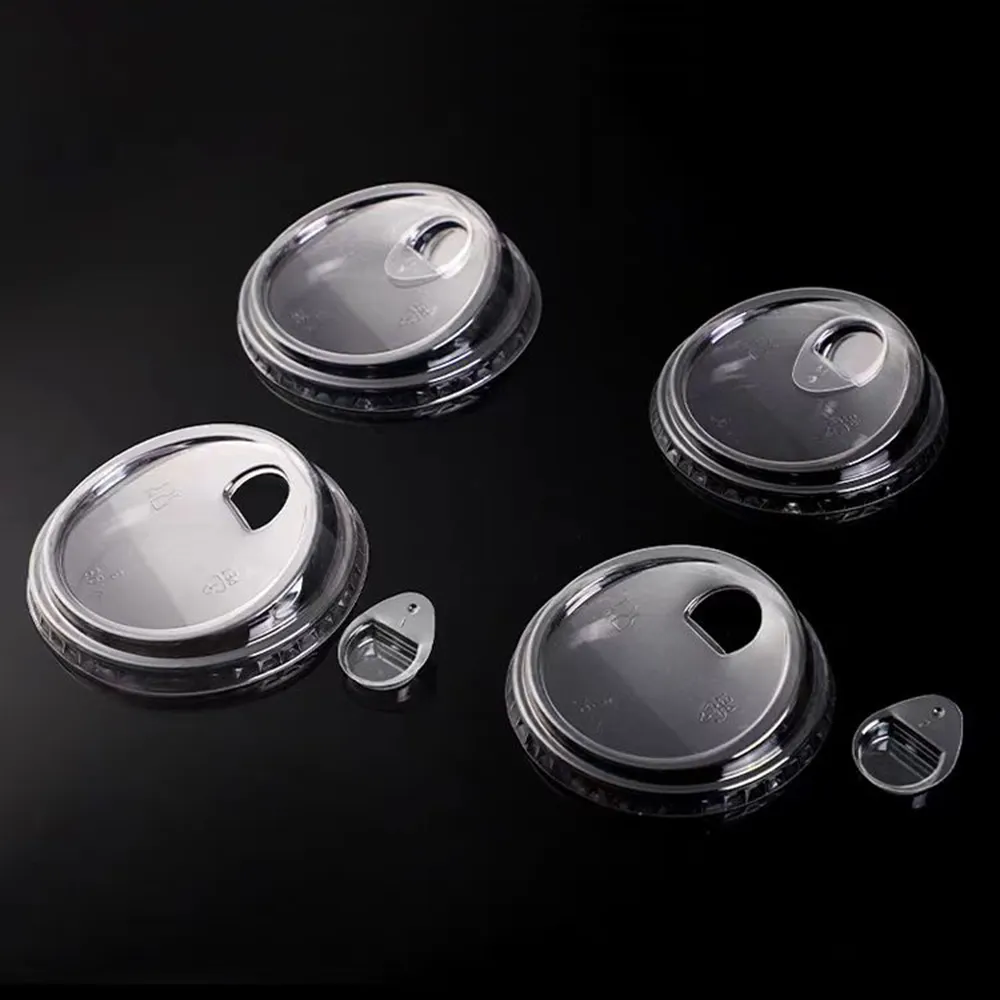
The question of whether coffee cup lids recycling works alongside paper or plastic cups remains one of the most common misconceptions in waste management. Many consumers toss their entire cup assemblies into recycling bins, believing the entire unit will be processed together. However, the reality of coffee cup lids recycling is far more complex, involving material separation challenges, contamination risks, and equipment limitations at municipal recycling facilities.

Understanding the mechanics of coffee cup lids recycling requires insight into how modern recycling infrastructure operates. Most recycling facilities use optical sorters, screens, and conveyor systems designed to separate materials by size, density, and composition. When coffee cup lids recycling attempts to combine plastic lids with paper cups, equipment interference occurs, reducing efficiency and compromising the quality of recovered materials. This article explores the technical and practical reasons why coffee cup lids recycling demands careful material separation and examines sustainable alternatives that reduce waste while respecting facility constraints.
Material Composition and Separation Challenges
Why Plastic Lids Cannot Process With Paper Cups
Coffee cup lids recycling faces immediate obstacles because lids are typically manufactured from polypropylene or polystyrene plastic, while cups are made from paperboard with polyethylene coating. These materials have different melting points, densities, and processing requirements. When coffee cup lids recycling occurs in the same sorting stream, the lightweight plastic lids jam screening equipment designed to separate paper from contaminants. Recycling facilities employ screens with specific opening sizes; coffee cup lids recycling causes lids to bypass paper sorting screens or lodge in the machinery, requiring manual removal and facility downtime.
The contamination risk associated with coffee cup lids recycling mixed with cups extends to the finished material. Plastic lids introduce incompatible polymers into the paper pulping process, degrading the quality of recycled fiber. Facilities that accept commingled coffee cup lids recycling report increased maintenance costs and reduced throughput. Many municipal programs now explicitly prohibit plastic lids from paper cup streams to protect equipment and preserve material purity.
Sorting Infrastructure Limitations
Modern coffee cup lids recycling infrastructure was designed with material separation in mind, but most facilities lack dedicated sorting lines for every polymer type. Optical sorters used in coffee cup lids recycling operations identify materials by reflectance and density signatures, but small plastic lids easily escape detection within mixed streams. Size-based screens in coffee cup lids recycling systems typically range from half-inch to two-inch openings; lids frequently slip through or cause jamming because their dimensions fall into problematic ranges.
Advanced coffee cup lids recycling facilities in major metropolitan areas employ additional sorting stages, including air classification and manual picking lines. However, these innovations remain concentrated in regions with high-volume material streams. Smaller communities lack the capital investment to install equipment capable of handling coffee cup lids recycling separately, making material separation at the source essential for effective recycling outcomes.
Contamination Impact on Recycled Material Quality
How Mixed Plastics Degrade Paper Stream Quality
When coffee cup lids recycling occurs with paper cups in single-stream systems, contamination cascades through the recovery process. During pulping, plastic lids fail to dissolve in water and chemical solutions, creating hard particles that damage refiners and screens. Facilities managing coffee cup lids recycling contamination report 10 to 15 percent yield loss in recovered pulp, directly reducing profitability and environmental benefit. These contaminant particles compromise the structural integrity of recycled fiber, limiting downstream applications to lower-grade products.
The economic impact of coffee cup lids recycling mixed streams extends to end-users. Paper mills receiving commingled batches reduce purchase prices by 5 to 20 percent due to quality uncertainty. Manufacturers designing products for recycled content face sourcing challenges when coffee cup lids recycling contamination creates inconsistent material properties. This economic pressure cascades backward to municipalities, which often subsidize recycling programs and bear the cost of contamination remediation.
Fiber Purity and Secondary Market Value
Secondary material markets reward purity; contamination directly reduces value in coffee cup lids recycling mixed batches. Tissue manufacturers and specialty paperboard producers demand fiber purity above 99 percent for consistent production. When coffee cup lids recycling introduces plastic particles, material batches are often rejected or downgraded to packaging applications requiring lower specifications. This market reality incentivizes facilities to implement strict coffee cup lids recycling separation protocols and educate consumers about proper disposal.
Processors of recovered plastic also face quality challenges from coffee cup lids recycling contamination with paper. Moisture absorption from paper degrades plastic properties, increasing brittleness and reducing processing flexibility. Facilities cannot effectively manage coffee cup lids recycling contamination when paper and plastic mix, forcing operators to discard entire batches rather than risk product failures in downstream manufacturing.
Best Practices for Coffee Cup and Lid Disposal
Proper Separation Methods at the Source
Effective coffee cup lids recycling begins with consumer awareness and proper disposal practices. Remove lids before placing cups in recycling containers; store separated lids in a designated collection area at home or work. Many progressive facilities have implemented coffee cup lids recycling stations with distinct compartments for lids and cups, dramatically improving material purity. This source separation approach eliminates sorting challenges and preserves the integrity of both material streams throughout the recycling process.
Organizations implementing successful coffee cup lids recycling programs prioritize education and convenience. Labeling containers with clear instructions about coffee cup lids recycling requirements increases compliance rates by 40 to 60 percent. Workplaces that provide visual reminders and easy-access collection bins report measurable improvements in material quality and contamination reduction. Professional waste management services often offer specialized coffee cup lids recycling coaching to maximize facility compliance and environmental outcomes.
Alternative Solutions for Sustainable Cup Consumption
Beyond traditional coffee cup lids recycling efforts, innovative alternatives reduce the waste challenge entirely. Reusable cups with durable lids eliminate the need for coffee cup lids recycling in single-use contexts, delivering substantial environmental and economic benefits. Many coffee retailers now offer discounts for customers bringing reusable vessels, incentivizing behavior change that renders coffee cup lids recycling programs less critical for high-frequency consumers.
Compostable and biodegradable cup systems present another pathway beyond traditional coffee cup lids recycling. Industrial composting facilities accept certified compostable cups and lids together, eliminating the separation challenge that frustrates conventional coffee cup lids recycling operations. However, these systems require access to dedicated composting infrastructure, limiting their practical applicability in regions lacking such facilities. coffee cup lids recycling remains viable where consumers choose premium disposable options designed for efficient sorting and material recovery.
FAQ
Can plastic lids go in recycling with paper cups?
Most municipal recycling programs explicitly request that plastic lids be removed before placing paper cups in collection bins. Plastic lids cause jamming in sorting equipment and contaminate the paper fiber stream, reducing material quality and facility efficiency. Check your local program guidelines, as standards vary by region. Some advanced facilities can manage coffee cup lids recycling together, but separation at the source remains the safest approach for protecting recycling infrastructure.
What should I do with plastic coffee cup lids?
Store plastic lids separately and contact your local waste authority to confirm whether they accept plastic lids through standard recycling programs. Many communities do not have infrastructure to process coffee cup lids recycling, and these lids may end up in landfills regardless. Some specialized collection programs accept clean plastic lids, and certain retailers participate in take-back schemes. Alternatively, composting facilities occasionally accept plastic lids if certified compostable, though most conventional plastic lids belong in trash when local coffee cup lids recycling programs cannot accommodate them.
How can businesses improve coffee cup and lid recycling programs?
Businesses can establish dedicated coffee cup lids recycling stations with clear labeling, ensuring employees separate materials before disposal. Partnering with professional waste management providers experienced in coffee cup lids recycling optimization maximizes material recovery and contamination prevention. Educating staff about why coffee cup lids recycling requires separation, alongside promoting reusable cup incentives, dramatically reduces overall waste volume. Organizations adopting these comprehensive approaches often achieve 70 to 80 percent material recovery rates while reducing reliance on single-use cup systems entirely.