 EN
EN

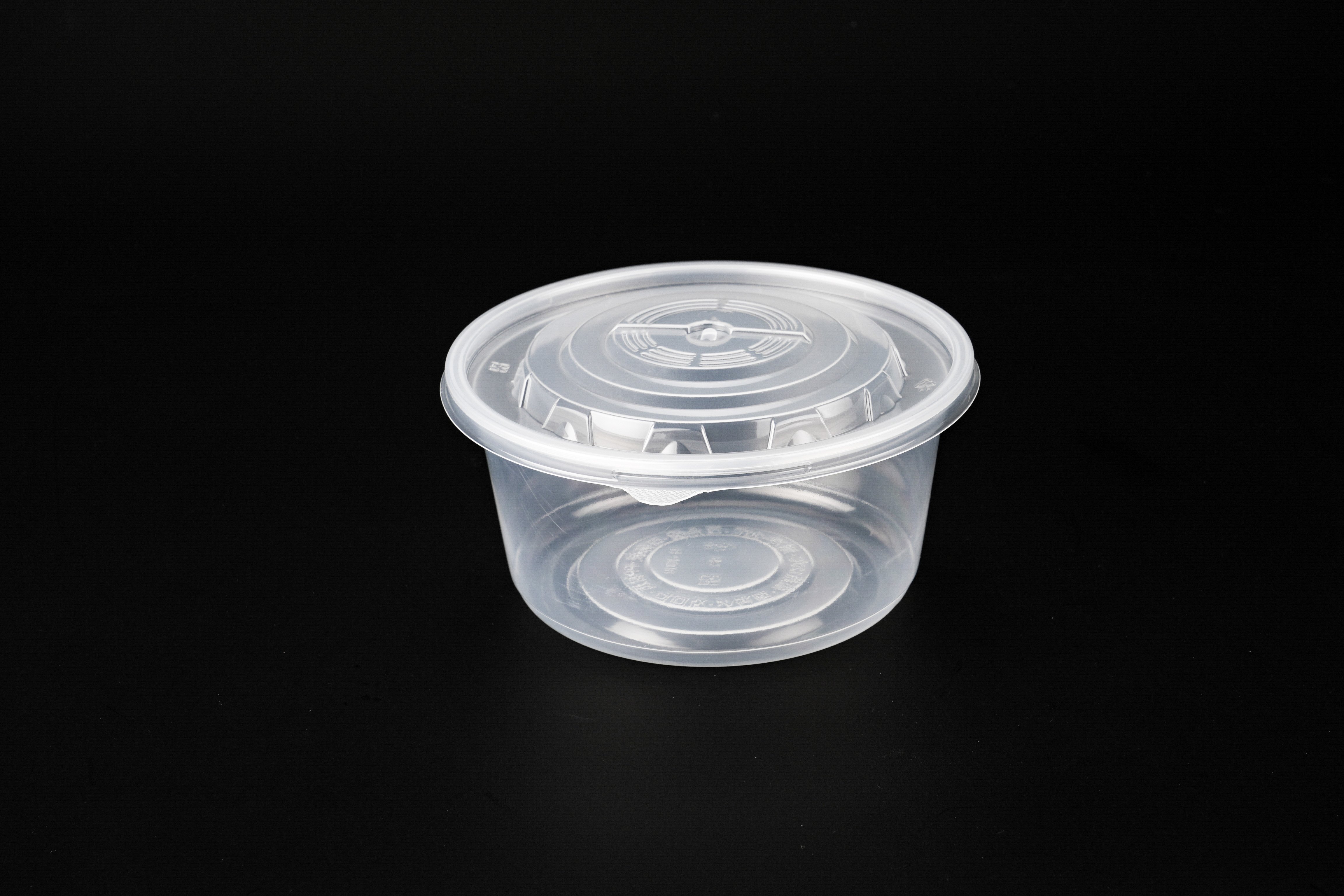
Selecting the right lid for your food grade salad bowls is critical for maintaining food safety, preventing leaks during transport, and ensuring customer satisfaction in foodservice operations. Whether you operate a quick-service restaurant, catering business, or prepared foods department, the lid you choose directly impacts product presentation, shelf life, and brand reputation. Understanding the available lid options, sealing mechanisms, and material compatibility will help you make informed decisions that align with your operational needs and regulatory requirements.
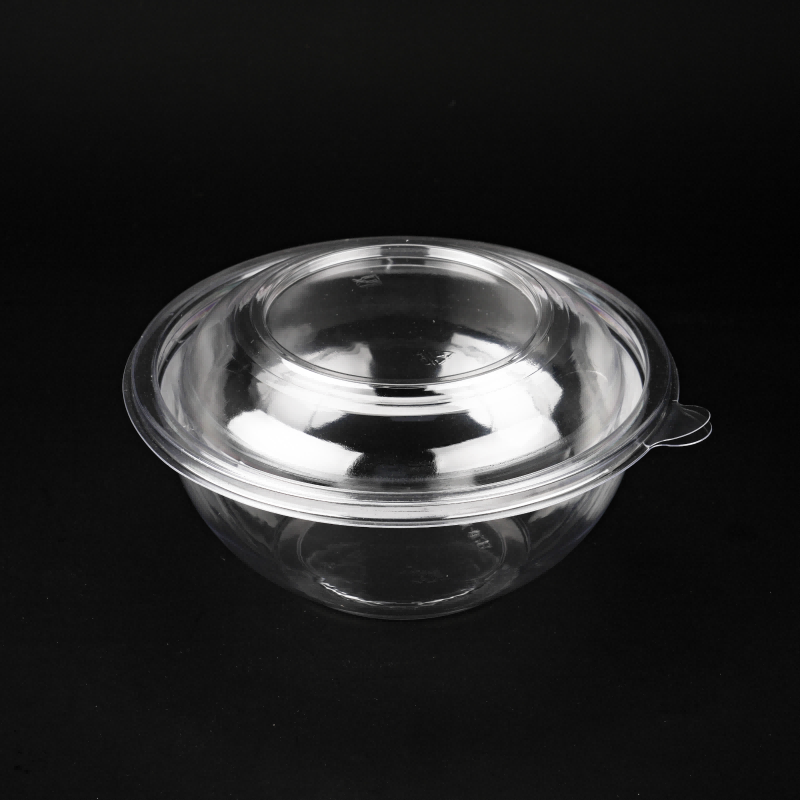
The performance of food grade salad bowls depends not only on the bowl material but also on the quality and design of the lid system. Leak-proof seals are essential for maintaining product integrity, preventing cross-contamination, and meeting health department regulations. This comprehensive guide explores the most effective lid options available today, the mechanisms that create secure seals, and how to evaluate which solution best fits your specific operational context.
Understanding Lid Sealing Mechanisms for Food Grade Salad Bowls
How Secure Seals Work in Food Grade Salad Bowls
The seal quality in food grade salad bowls depends on three primary factors: the surface contact area between lid and bowl, the material compatibility between components, and the compression force applied during closure. When a lid seats properly on food grade salad bowls, the contact creates an airtight barrier that prevents moisture loss, maintains product freshness, and stops liquids from leaking during storage or transport. The most effective seals incorporate a ribbed or flanged rim on the bowl that works with a complementary lip design on the lid, ensuring consistent pressure distribution across the entire perimeter.
Material Properties That Enable Leak-Proof Performance
Food grade salad bowls manufactured from polypropylene, polystyrene, or PET plastic offer distinct sealing characteristics. Polypropylene provides excellent flexibility and heat resistance, allowing the bowl material to compress slightly and accommodate lid variations without compromising the seal. PET plastic offers superior clarity and rigidity, which supports consistent lid seating on food grade salad bowls. The lid material must match the thermal properties of the bowl to prevent differential expansion, which could create micro-gaps that allow leakage. Silicone or polyethylene gaskets, when integrated into the lid design, enhance seal reliability by filling minor surface imperfections and reducing air penetration through food grade salad bowls.
Common Lid Types for Food Grade Salad Bowls
Hinged Dome Lids for Food Grade Salad Bowls
Hinged dome lids are widely used in food grade salad bowls because they provide convenient access while maintaining visibility of the product. These lids feature a curved shape that creates additional headspace for salad ingredients and dressings. When engineered correctly, the hinge mechanism and the seal flange work together to deliver leak-proof performance. The lid attaches directly to the bowl at the hinge point, allowing users to open and close without removing the lid completely. For food grade salad bowls designed for grab-and-go applications, hinged dome lids offer the speed and convenience that customers demand while maintaining the structural integrity of the seal during transport and storage.
Snap-On and Press-Fit Lid Options for Food Grade Salad Bowls
Snap-on lids provide a secure, removable seal for food grade salad bowls that require flexibility in packaging and reuse. These lids feature internal tabs or notches that engage with corresponding ridges on the bowl's rim, creating a mechanical lock that prevents accidental separation. Press-fit lids rely on a tapered profile that creates compression as the lid is pushed onto the food grade salad bowls, establishing an airtight seal through contact pressure alone. Both designs are popular because they can be applied and removed multiple times, making them suitable for commissaries and operations where bowls are refilled or portioned throughout the service day. The food grade salad bowls paired with snap-on systems must maintain consistent rim dimensions to ensure reliable engagement and seal performance across the entire inventory.
Tamper-Evident and Safety-Sealed Lids
For operations prioritizing food safety certification and liability reduction, tamper-evident lids for food grade salad bowls provide visible assurance that the product has not been compromised. These lids feature a breakaway seal or perforated strip that customers must deliberately remove, creating clear evidence of tampering if the seal remains intact. Many tamper-evident designs integrate gasket materials that not only provide leak protection but also improve the visibility of the evidence strip, making tampering attempts immediately obvious. Food grade salad bowls equipped with tamper-evident lids are particularly valuable in healthcare, educational, and catering environments where product safety verification is mandatory before service.
Material Compatibility and Regulatory Requirements
FDA Compliance and Food Contact Standards for Food Grade Salad Bowls
All lids for food grade salad bowls must comply with FDA food contact material regulations, which establish acceptable plastic resins, additives, and migration limits. Food grade salad bowls and their lids are subject to testing protocols that verify no harmful chemicals leach into the food, even when exposed to temperature extremes or acidic contents such as vinaigrette dressings. Suppliers must provide documentation confirming that the lid material meets CFR 177 standards and has been tested for migration compliance. When selecting lids for food grade salad bowls, verify that manufacturers supply certificates of compliance and can demonstrate traceability through supply chain documentation. This regulatory foundation ensures that your food grade salad bowls protect both product quality and consumer health.
Temperature Resistance and Thermal Performance
The seal integrity of food grade salad bowls can be compromised by temperature fluctuations that cause differential expansion between the bowl and lid materials. High-quality lids designed for food grade salad bowls maintain their seal performance across the entire temperature range from freezer storage through hot-hold display, typically ranging from minus 20 degrees Fahrenheit to 180 degrees Fahrenheit. Materials with low thermal expansion coefficients, such as engineered polypropylene blends, prevent the seal gap from widening as temperature changes. For food grade salad bowls that experience rapid temperature transitions, such as moving from a cold storage unit to a heated display case, the lid system must be engineered to accommodate this stress without compromising the seal or allowing condensation to enter the container.
Practical Selection Criteria and Best Practices
Evaluating Seal Performance and Durability
Test the seal performance of potential lid options for food grade salad bowls by filling bowls with water, sealing them, and inverting them for several minutes to detect any leakage. Repeat this test with dressings or oils to confirm that the seal maintains integrity against substances with different viscosity and surface tension properties compared to plain water. Inspect the bowl and lid contact surfaces for visible defects, scratches, or inconsistencies that could compromise seal reliability. Food grade salad bowls subjected to repeated use, washing, and resealing will eventually show wear, so establish a replacement cycle based on visual inspection and performance testing rather than relying solely on manufacturer specifications.
Operational Considerations for Food Grade Salad Bowls
Train your staff to seat lids on food grade salad bowls using consistent pressure and technique to maximize seal repeatability. Ensure that bowls and lids are clean and dry before sealing, as moisture or food residue on the contact surface will prevent proper seal formation. Store food grade salad bowls upright with lids secure to prevent accidental opening, and rotate inventory using first-in-first-out methods to ensure that older bowls with potential seal degradation are used before newer stock. Document seal failures or leakage incidents to identify patterns that may indicate a systemic issue with a specific lid batch or supplier, allowing corrective action before widespread customer complaints occur.
FAQ
What is the minimum seal performance standard for food grade salad bowls?
Industry standards recommend that food grade salad bowls lids prevent any visible leakage when filled with liquids and inverted for at least five minutes. The seal must maintain integrity across the entire service temperature range and survive at least fifty opening and closing cycles if the lids are reusable. Your supplier should provide test data confirming that food grade salad bowls meet or exceed these minimums before you commit to large-volume orders.
Can food grade salad bowls lids withstand microwave heating?
Most polypropylene-based lids for food grade salad bowls are microwave-safe up to moderate temperatures, typically 160 to 180 degrees Fahrenheit, but you should always verify this with your supplier. PET-based lids may not withstand microwave temperatures and could release chemicals or deform. If microwave use is essential for your operation, select food grade salad bowls specifically marketed as microwave-compatible, and test a small quantity before deploying across your entire foodservice program.
How do I prevent condensation buildup inside food grade salad bowls with sealed lids?
Condensation forms when warm salads cool inside sealed food grade salad bowls, and the moisture condenses on the inner surface of the lid. To minimize this, allow salads to cool to room temperature before sealing the lids, or select lids with small vent holes that equalize internal pressure while maintaining the primary seal. Some suppliers offer food grade salad bowls with micro-perforated lids designed specifically to reduce condensation while preserving food freshness and extending shelf life.