 EN
EN

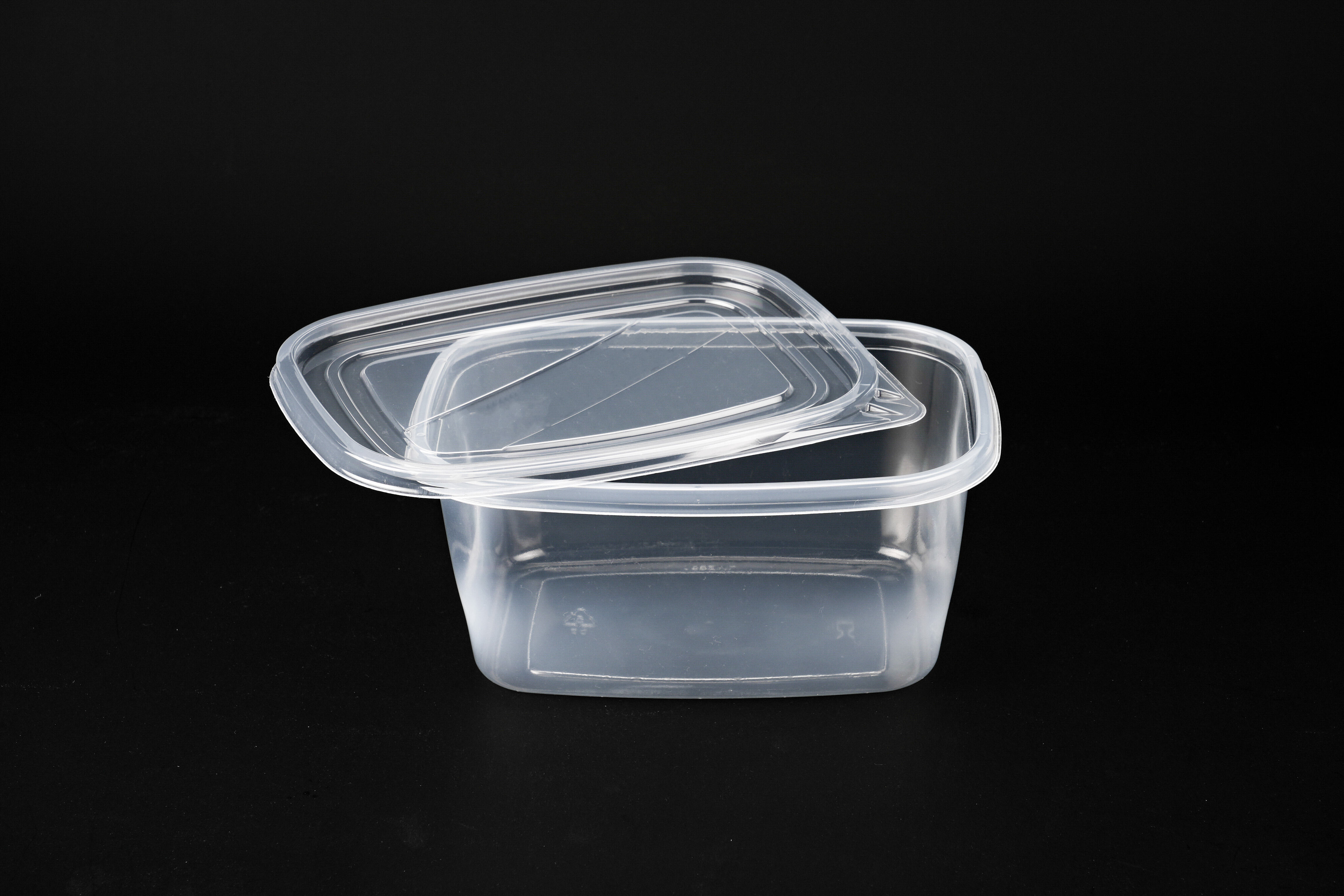
The global bubble tea market has experienced explosive growth over the past decade, and with it has come a critical question for cafes, tea shops, and foodservice operators: can plastic cups and lids with straw slots genuinely accommodate the unique demands of boba tea service? It is not simply a matter of popping a lid onto a cup and calling it done. Boba tea — with its oversized tapioca pearls, thick bases, and wide-bore straws — places very specific physical and functional requirements on disposable packaging that standard beverage cups often fail to meet. Understanding whether this cup-and-lid format can truly rise to the challenge requires a close look at materials, design engineering, straw compatibility, and the real-world dynamics of boba tea operations.
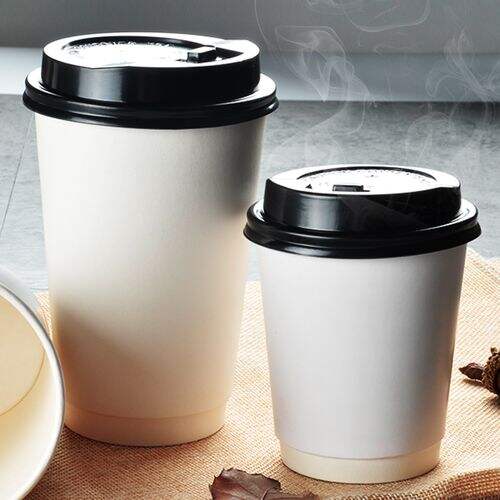
The short answer is yes — but only when the right specifications are met. Not all plastic cups and lids with straw slots are created equal, and the difference between a cup that works seamlessly for boba tea and one that causes spills, straw collapse, or customer frustration often comes down to engineering details that operators must understand before making purchasing decisions. This article walks through the key factors that determine whether a plastic cup and lid system with straw slots is truly boba-ready, what to look for in design and material, and how to evaluate fit for high-volume boba tea environments.
Understanding the Unique Demands of Boba Tea Packaging
Why Boba Tea Is Different From Standard Beverages
Boba tea is not simply an iced drink with a straw. It is a layered, textured beverage that contains tapioca pearls typically ranging from 6 to 8 millimeters in diameter, and the straws used to consume them are correspondingly wide — usually between 12 and 14 millimeters in diameter. This immediately sets boba tea apart from standard cold brew coffee, soft drinks, or smoothies, all of which use much narrower straws that pass easily through conventional straw slots.
Beyond straw width, boba tea bases are often thick and viscous, including taro, matcha, brown sugar milk, and fruit tea with jelly. These textures create pressure dynamics inside the cup that a poorly designed lid may not be able to handle. When a customer sucks hard through a wide-bore boba straw, negative pressure builds quickly inside the cup. A lid that lacks a secure seal, or a straw slot that allows air to escape around the straw, will cause the drink to behave unpredictably — potentially collapsing the straw or failing to create the suction needed to pull pearls upward.
Plastic cups and lids with straw slots must therefore be engineered with boba-specific use in mind. The slot must be precisely sized, the lid must create a near-airtight seal around the inserted straw, and the cup itself must be rigid enough to withstand the pressure changes without deforming. This is a far more demanding set of requirements than most standard disposable cup systems are built to satisfy.
The Role of Cup Capacity and Geometry
Boba tea is typically served in large volumes — 16 oz, 20 oz, and even 24 oz servings are common across both retail and franchise formats. The cup must accommodate not only the liquid volume but also a substantial layer of tapioca pearls sitting at the bottom, which effectively reduces usable liquid space. Operators who select plastic cups and lids with straw slots that are sized for standard 12 oz cold drinks will quickly discover that there is insufficient room for a complete boba tea serving.
Beyond sheer volume, the geometric profile of the cup matters. Cups with a wider base and a slightly tapered or straight mid-section allow pearls to sit and settle naturally without jamming at the bottom corners. Cups that taper too aggressively at the base can create pockets where pearls cluster and block straw suction, frustrating the customer experience. When evaluating plastic cups and lids with straw slots for boba service, operators should consider the internal geometry, not just the labeled volume.
Straw Slot Design: The Make-or-Break Feature
Diameter Compatibility With Boba Straws
The straw slot is the most critical design element that determines whether plastic cups and lids with straw slots can actually support boba tea. A standard beverage lid straw slot is typically designed for 7 to 9 mm diameter straws. A boba straw requires a slot that can accept 12 to 14 mm diameter straws without force, tearing, or leaking. These are fundamentally different dimensions, and a mismatch here renders the entire cup-and-lid system unsuitable for boba service regardless of how well the cup itself is designed.
Boba-compatible plastic cups and lids with straw slots are engineered with a wider pre-scored slot or a cross-cut aperture that expands appropriately when a boba straw is inserted. The best designs create a snug seal around the straw once it is inserted, preventing liquid from wicking upward around the outside of the straw — a common failure point in non-optimized lids. This seal also ensures that the negative pressure created during drinking is maintained within the cup, allowing even dense pearls near the bottom to be drawn up successfully.
It is worth noting that some lid designs use a dome or raised center section specifically to provide more vertical accommodation for wide straws. When the straw slot is recessed into a dome rather than sitting flush with a flat lid, the straw can be inserted at a more natural angle, and the height above the drink surface accommodates the wider straw diameter without interference. Operators sourcing plastic cups and lids with straw slots for boba tea should prioritize dome-lid designs with explicitly rated boba-straw compatibility.
Sealing Integrity Around the Straw Opening
A straw slot that is too loose around the boba straw creates two compounding problems. First, liquid can leak upward around the exterior of the straw, creating mess on the cup exterior and in the customer's hand. Second, air enters freely around the straw, breaking the pressure seal inside the cup. Without that seal, the straw becomes ineffective at drawing pearls up from the bottom — customers end up tipping the cup repeatedly or shaking it to redistribute pearls near the straw opening.
High-quality plastic cups and lids with straw slots engineered for boba tea use a flexible polymer material around the slot that grips the straw firmly once inserted. This gripping action must be strong enough to prevent lateral movement of the straw during transport, while remaining easy enough to insert and remove without damaging the lid. The material composition of the lid itself — typically high-clarity PET or polypropylene — affects how much flex and grip the straw slot can provide.
Polypropylene lids tend to offer better flexibility and grip, while PET lids offer superior clarity and rigidity. For boba tea, a slightly more flexible lid material is often preferable because it conforms more naturally to the boba straw's larger diameter and creates a more reliable seal. When operators evaluate plastic cups and lids with straw slots, requesting product samples and physically testing straw insertion and seal quality is a step that should not be skipped.
Material Suitability for Cold and Room-Temperature Boba Service
Thermal Performance of Cup Plastics
Boba tea is almost always served cold or at room temperature, which works in favor of plastic cup performance. Unlike hot beverages, which can soften or distort certain plastics and raise concerns about chemical leaching, cold boba tea keeps the cup material rigid and dimensionally stable throughout the service window. This means that the full range of common food-grade plastics — PET, PP, and PETG — are technically suitable for boba tea cups from a thermal standpoint.
That said, some boba tea variants are served slightly warm, particularly taro milk teas and brown sugar milk teas that are not fully chilled before serving. In these cases, the thermal resistance of the plastic becomes a more important consideration. Operators who serve warm boba tea should ensure that their plastic cups and lids with straw slots are rated for temperatures up to at least 60°C to prevent any deformation at the cup walls or lid interface. Most commercial-grade boba cups are rated appropriately, but verification with the supplier is always advisable.
Clarity, Presentation, and the Boba Customer Experience
One of the distinguishing features of boba tea as a beverage category is its visual appeal. The layered colors of a taro or brown sugar boba tea, the suspended pearls, and the milk foam are all part of the product experience. For this reason, plastic cups and lids with straw slots used in boba service are almost universally expected to be high-clarity or crystal-clear, allowing the full visual presentation of the drink to be seen from the outside.
PET is generally considered the gold standard for optical clarity in disposable boba cups. It produces a glass-like appearance that showcases the drink beautifully and is chemically compatible with acidic fruit teas as well as dairy-based milk teas. Polypropylene cups, while excellent for structural performance, tend to have a slightly milky or hazy appearance that can diminish the visual premium of a carefully crafted boba tea. For operators who prioritize presentation, plastic cups and lids with straw slots in PET material are typically the preferred choice.
Lid clarity is equally important. A high-clarity dome lid not only allows the straw slot to function correctly but also keeps the top of the cup visually appealing — particularly relevant for boba teas with cheese foam or whipped toppings that sit just below the lid. The entire cup-and-lid system should present as a unified, premium visual package that supports the brand positioning of the tea shop or cafe.
Operational Fit for High-Volume Boba Tea Environments
Speed of Assembly and Staff Efficiency
In a high-volume boba tea environment — particularly during peak hours at franchise locations or event venues — the speed at which staff can assemble, fill, seal, and hand over drinks is a critical operational metric. Plastic cups and lids with straw slots that require excessive force to snap into place, or that frequently misalign during the sealing process, introduce friction into the workflow that accumulates significantly across hundreds of drinks per day.
The best plastic cups and lids with straw slots for boba operations feature a positive snap-fit connection that staff can confirm by feel without looking down. The lid should seat flush with the cup rim in one smooth press, requiring no secondary adjustment. Pre-scored straw slots that open cleanly the first time — without tearing irregularly or requiring a tool — also contribute meaningfully to service speed. When sourcing for operational environments, operators should time their staff during sample trials to quantify the efficiency difference between cup-and-lid systems before committing to a large order.
Leak Resistance During Transport and Delivery
Delivery has become an increasingly important channel for boba tea businesses, and this places additional demands on plastic cups and lids with straw slots. A drink that sits in a delivery bag for 20 minutes, potentially at an angle, must arrive at the customer without leaking through the straw slot or losing its lid. This is a significantly more stringent requirement than tabletop or counter service, where the cup is handed directly to a customer.
For delivery-optimized operations, some boba shops use a two-step sealing approach — a heat-sealed film applied over the cup rim first, then a dome lid snapped on top — which effectively eliminates any leak risk through the straw slot until the customer is ready to insert their straw. In this workflow, the straw slot in the dome lid is used when the customer opens the cup, not during transport. Plastic cups and lids with straw slots that are compatible with heat-sealing film systems offer the most flexibility across both in-store and delivery service models.
Operators should also evaluate the lip-lock depth of the lid-to-cup interface. A deeper groove engagement between the cup rim and lid provides significantly better resistance to lid pop-off during transport, particularly when bags are set down quickly or jostled in transit. Shallow snap-fit lids are adequate for counter service but are often insufficient for delivery environments where physical handling is less controlled.
FAQ
Are all plastic cups and lids with straw slots compatible with boba straws?
No. Standard beverage lids with straw slots are typically designed for 7–9 mm straws, while boba straws require 12–14 mm slots. Only cups and lids specifically engineered with boba-compatible slot dimensions will work correctly with wide-bore boba straws. Always verify slot sizing before ordering.
What plastic material is best for boba tea cups?
PET (polyethylene terephthalate) is the most commonly recommended material for boba tea cups due to its exceptional clarity, rigidity, and chemical compatibility with both fruit-based and dairy-based drinks. Polypropylene is also used and offers good flexibility, though it typically lacks the optical clarity of PET.
Can plastic cups and lids with straw slots be used for hot boba tea drinks?
Most standard PET boba cups are rated for cold or room-temperature use only. If you plan to serve warm boba tea drinks, you should confirm that your cups and lids are rated for the relevant temperature range — typically up to 60°C minimum. Using non-heat-rated cups for warm beverages can cause deformation and compromise lid seal integrity.
How do I ensure no leaking through the straw slot during delivery?
For delivery operations, many boba shops use a heat-seal film applied directly over the cup rim before placing the dome lid on top. This creates a two-layer seal that prevents any leakage through the straw slot during transport. The customer then pierces the film with the boba straw when they are ready to drink, maintaining freshness and preventing spillage throughout the delivery window.