 EN
EN


When businesses, event organizers, or foodservice operators start sourcing beverage packaging, one of the most practical questions they face is what insulated options exist for plastic cups and lids for cold drinks. The answer is more nuanced than simply choosing a cup with a thicker wall. Insulation in cold drink packaging involves a combination of material science, structural design, and lid engineering — all working together to keep beverages colder for longer, minimize condensation, and deliver a premium tactile experience to the end consumer.
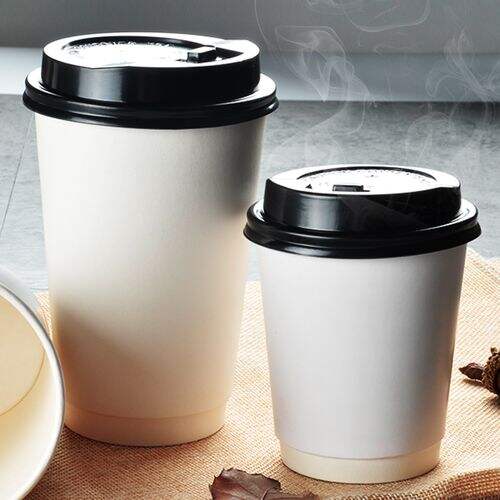
Understanding the full landscape of insulated plastic cups and lids for cold drinks helps procurement managers, café owners, and catering professionals make smarter sourcing decisions. Whether you are operating a high-volume juice bar, a stadium concession stand, or a corporate catering operation, the right insulated cup-and-lid combination affects product quality, customer satisfaction, and even brand perception. This article breaks down the major insulation categories, design features, and lid options available in today's market for cold drink applications.
Why Insulation Matters in Cold Drink Plastic Cup Design
The Thermal Challenge of Cold Beverages
Cold beverages present a unique thermal management challenge that is often underestimated in packaging decisions. Unlike hot drinks, where the goal is to keep heat inside, cold drinks must resist heat gain from the surrounding environment. When the ambient temperature is significantly higher than the drink temperature, heat flows rapidly into the cup — warming the beverage and generating condensation on the outer surface.
Condensation is more than just a nuisance. In foodservice environments, surface moisture from uninsulated plastic cups and lids for cold drinks can damage countertops, create slip hazards, and make cups uncomfortable to hold. For branding purposes, wet surfaces can also cause printed sleeves or labels to peel or smear, reducing the professional appearance of the product being served.
Insulated cup designs address this problem at the structural level by creating a barrier — either through air gaps, foam materials, or specialized polymers — that slows the transfer of heat from the environment into the cup's contents. The result is a drink that stays colder longer and a cup that remains comfortable and dry in the hand.
How Insulation Affects Customer Experience
Beyond temperature retention, insulation significantly affects the tactile and sensory experience of drinking. A consumer holding a well-insulated cup of iced coffee or cold-pressed juice notices the difference immediately — the cup feels comfortable rather than sweaty or uncomfortably cold. This seemingly small detail contributes to the overall perceived quality of the beverage and the brand serving it.
For businesses investing in plastic cups and lids for cold drinks, choosing insulated options is not just a functional decision but a customer experience decision. Premium insulation signals care and professionalism. It also reduces the frequency of complaints about warm drinks or soggy cup holders, which can quietly erode customer loyalty over time.
Double-Wall Insulated Plastic Cups for Cold Drinks
Structure and Thermal Mechanism
Double-wall plastic cups are among the most widely used insulated options for cold beverages in both foodservice and retail settings. As the name suggests, these cups feature two concentric walls of plastic with an air gap trapped between them. This air gap acts as a natural insulator, significantly slowing the rate of heat transfer compared to a single-wall design.
The physics behind double-wall insulation are straightforward: still air is a poor conductor of heat, so trapping a layer of air between the inner and outer wall creates a thermal buffer. This design keeps the outer surface of the cup closer to room temperature even when the inner contents are at near-freezing temperatures, which dramatically reduces condensation and keeps the cup comfortable to hold without a sleeve.
For plastic cups and lids for cold drinks in high-volume settings, double-wall construction offers a meaningful performance advantage without requiring the use of additional materials like paper sleeves or foam wraps. This streamlines service and reduces waste — an increasingly important consideration in sustainability-conscious markets.
Applications and Common Use Cases
Double-wall plastic cups are particularly popular in premium cold coffee applications — cold brew, iced lattes, and blended espresso drinks — where maintaining a low temperature for the duration of the drinking experience is expected by customers. They are also extensively used for freshly squeezed juices, iced teas, and premium carbonated beverages in sit-down or takeaway formats.
In corporate or hospitality catering, double-wall plastic cups and lids for cold drinks are often selected for buffet stations and self-service drink dispensing areas because they reduce the mess caused by condensation pooling on serving tables. The lids used with double-wall cups typically feature a dome or flat profile with tight-sealing rims to ensure spill resistance, especially when beverages are transported or handed to customers on the move.
Foam and Expanded Polystyrene Insulated Cold Drink Cups
Material Properties and Insulation Performance
Expanded polystyrene — commonly known as foam — has long been one of the most thermally efficient materials used in disposable cup manufacturing. Foam cups achieve their insulation through a cellular structure filled with trapped air pockets, which dramatically limits both conductive and convective heat transfer. The result is a cup that provides superior temperature retention for cold beverages compared to standard single-wall plastic alternatives.
When it comes to plastic cups and lids for cold drinks, foam options are particularly valued in high-demand settings where beverages need to stay cold for extended periods — drive-through windows, outdoor events, and long-haul transport scenarios. The lightweight nature of foam also adds to its appeal in high-volume operations, as it reduces transportation costs and makes handling easier for service staff.
Foam cups are typically paired with flat or straw-slot lids made from polypropylene or polyethylene, which provide a reliable seal without compromising the cup's structural integrity. The compatibility between foam cup rims and cold drink lids is a critical specification point that procurement teams must verify to ensure consistent performance across their product line.
Sustainability Considerations in Foam Cup Selection
It is worth acknowledging that expanded polystyrene faces increasing regulatory and reputational pressure in many markets due to its limited recyclability. Operators selecting foam-based plastic cups and lids for cold drinks must weigh the undeniable thermal performance benefits against local disposal regulations and brand sustainability commitments. In some jurisdictions, foam cups are restricted or banned outright for single-use foodservice applications.
As a result, many operators are transitioning to alternative insulated formats — such as double-wall plastic or insulated paper-plastic hybrid cups — that offer comparable thermal performance with more favorable environmental profiles. This shift is reshaping the insulated cold drink cup market and driving innovation in material technology across the packaging industry.
Insulated Lids Designed Specifically for Cold Drink Cups
Dome Lids and Their Role in Cold Drink Sealing
Lids are an equally important component of any insulated cold drink packaging system. For cold beverages served with ice, whipped cream, or blended components, dome lids are the standard solution. Dome lids provide additional vertical space above the cup's rim, allowing room for garnishes and toppings while maintaining a secure seal that prevents spills during handling or transit.
From an insulation standpoint, dome lids contribute to temperature retention by sealing the open top of the cup and reducing the rate of evaporative cooling — a process that can paradoxically warm certain beverages in humid environments. Well-fitted dome lids for plastic cups and lids for cold drinks also help maintain carbonation in fizzy beverages, which is a key quality parameter for operators serving sodas or sparkling waters.
The material composition of dome lids matters for cold drink applications. Polyethylene terephthalate (PET) is frequently used for dome lids because of its optical clarity, allowing customers to see the beverage contents, and its ability to maintain rigidity at cold temperatures without becoming brittle. This clarity also supports visual merchandising in café and retail beverage settings.
Flat Lids with Straw Slots and Sippy Options
For beverages consumed through a straw — such as smoothies, bubble teas, iced coffees, and cold-pressed juices — flat lids with pre-punched or cross-cut straw slots are the preferred lid style. These lids sit flush with the cup rim, offering a low-profile seal that is practical for high-volume service and easy stacking during storage and transport.
Cross-cut straw slots provide a self-sealing effect around the straw once inserted, reducing the risk of spills when the cup is tilted or moved. This design is especially valuable for plastic cups and lids for cold drinks in delivery and takeaway contexts, where beverages spend considerable time in transit and must maintain integrity without leaking.
Sippy-style flat lids — which feature a small raised drinking spout rather than a straw slot — are gaining traction as straw-free alternatives, driven by regulatory moves to reduce single-use plastic straw consumption. These lids are now available in versions compatible with most standard cold drink cup diameters and offer comparable insulation performance to traditional straw-slot designs.
Specialty and Hybrid Insulated Options for Cold Drink Packaging
Vacuum-Insulated Reusable Plastic Cups
While most disposable cup discussions focus on single-use formats, the market for reusable insulated plastic cups has grown significantly, particularly in the premium and branded merchandise segments. Vacuum-insulated reusable plastic cups — sometimes constructed from BPA-free Tritan plastic or similar durable polymers — offer exceptional temperature retention by creating a near-complete vacuum between double walls, eliminating virtually all convective and conductive heat transfer.
These reusable formats are increasingly offered as branded promotional items or deposit-scheme cups in stadiums, festivals, and corporate events. Although they represent a different procurement model compared to standard disposable plastic cups and lids for cold drinks, they are worth considering for operations seeking to reduce waste volumes while maintaining high insulation performance for cold beverages.
The lids used with reusable vacuum-insulated plastic cups are typically threaded or snap-fit closures with silicone gaskets, offering a spill-proof seal that outperforms most disposable lid options. These lids contribute meaningfully to the overall insulation system by sealing the vacuum chamber's effectiveness from the top opening.
Insulated Paper-Plastic Hybrid Cups with Cold Drink Lids
A growing category in the cold drink packaging space is the insulated paper-plastic hybrid cup — a cup constructed with a paperboard outer shell lined with a thin plastic inner layer, sometimes featuring a corrugated or air-pocket sleeve integrated into the design. These cups aim to combine the recyclability narrative of paper with the moisture resistance of plastic, making them attractive for operators navigating sustainability regulations.
Although hybrid cups are most commonly associated with hot drinks, manufacturers have developed cold drink-specific versions with enhanced moisture barriers to prevent the paperboard from absorbing condensation. When paired with compatible flat or dome lids, these hybrid options deliver reasonable insulation performance for cold beverages in moderate-duration service scenarios — sufficient for most takeaway and quick-service restaurant applications.
For operators evaluating plastic cups and lids for cold drinks within a sustainability framework, insulated hybrid cups represent a pragmatic middle ground. They do not match the thermal performance of foam or double-wall plastic cups over extended periods, but they satisfy regulatory requirements in an increasing number of markets while still providing a noticeably better cold-retention performance than single-wall options.
FAQ
What type of insulated plastic cup keeps cold drinks coldest for the longest time?
Double-wall plastic cups and vacuum-insulated reusable plastic cups offer the strongest temperature retention for cold beverages over extended periods. For single-use disposable applications, double-wall designs provide the best balance of thermal performance, cost efficiency, and minimal condensation, making them the top choice for most foodservice operators sourcing plastic cups and lids for cold drinks.
Do lids contribute to the insulation performance of cold drink cups?
Yes, lids play an important role in maintaining cold drink temperatures. A well-fitting lid reduces evaporative heat exchange, helps maintain carbonation in fizzy beverages, and prevents ambient heat from entering the cup through the open top. For plastic cups and lids for cold drinks, selecting a lid with a secure rim fit — whether dome, flat straw-slot, or sippy style — directly improves overall temperature retention performance.
Are foam cups still a viable option for cold drink insulation despite sustainability concerns?
Foam cups remain highly effective insulators and are still widely used in many markets for cold drink applications. However, operators must evaluate local regulations and brand sustainability commitments before specifying foam-based plastic cups and lids for cold drinks. In markets where foam is restricted, double-wall plastic or insulated hybrid options offer strong alternative performance without regulatory risk.
What should procurement teams check when matching lids to insulated cold drink cups?
The most critical specification is rim diameter compatibility — lids must match the exact cup opening size to achieve a secure, leak-resistant seal. Material compatibility also matters, particularly for cold environments where some plastics can become brittle. Teams sourcing plastic cups and lids for cold drinks should also verify that the lid style — dome, flat straw-slot, or sippy — aligns with the type of beverage being served and the service context, whether dine-in, takeaway, or delivery.
Table of Contents
- Why Insulation Matters in Cold Drink Plastic Cup Design
- Double-Wall Insulated Plastic Cups for Cold Drinks
- Foam and Expanded Polystyrene Insulated Cold Drink Cups
- Insulated Lids Designed Specifically for Cold Drink Cups
- Specialty and Hybrid Insulated Options for Cold Drink Packaging
-
FAQ
- What type of insulated plastic cup keeps cold drinks coldest for the longest time?
- Do lids contribute to the insulation performance of cold drink cups?
- Are foam cups still a viable option for cold drink insulation despite sustainability concerns?
- What should procurement teams check when matching lids to insulated cold drink cups?