 EN
EN

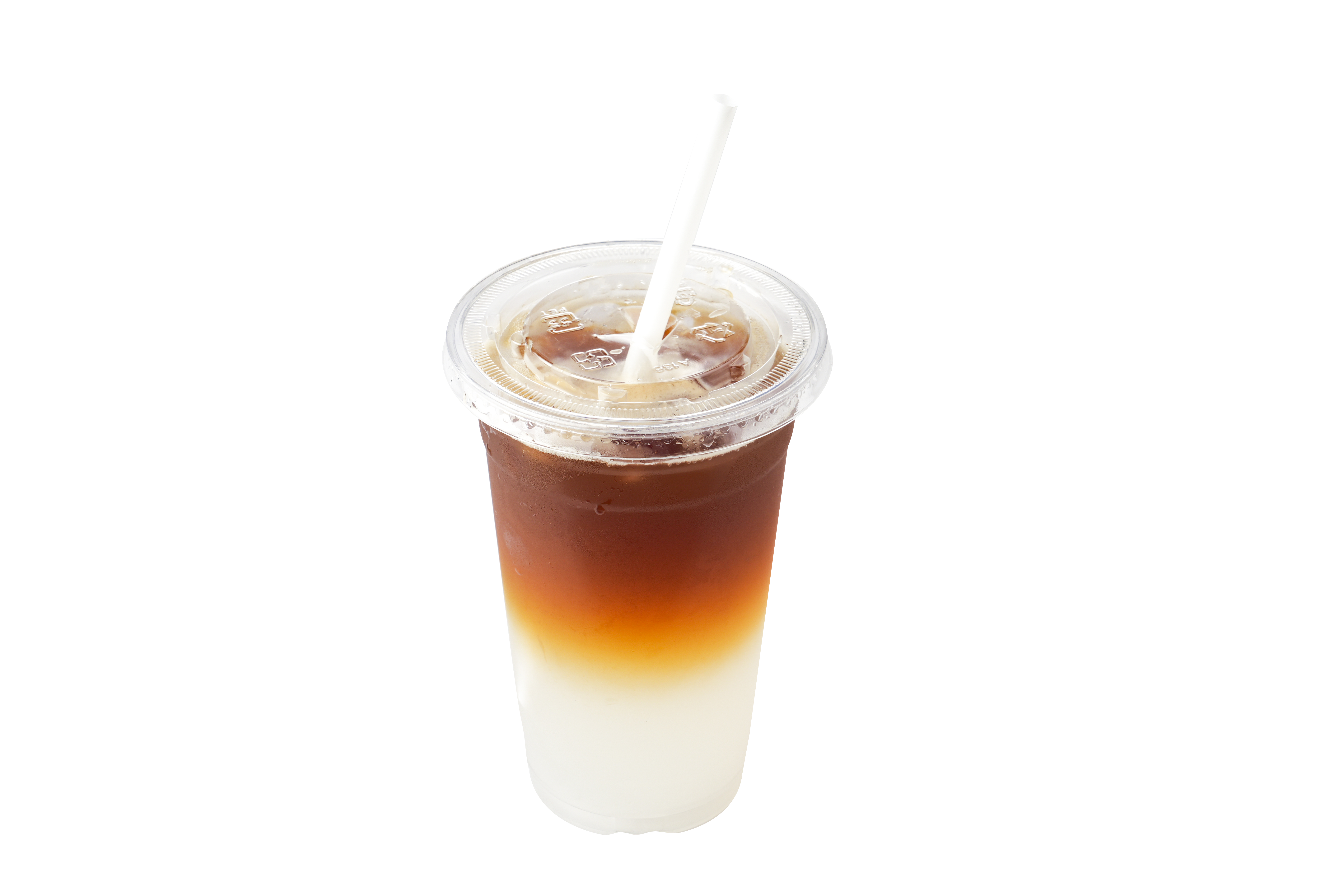
When it comes to hot coffee takeaway, the lid is far more than a simple cover. It is a critical functional component that determines how safely and comfortably a customer can carry and drink their beverage on the go. Among the various lid designs available in the food service industry today, vented lids for plastic cups have emerged as a leading solution — combining heat management, spill resistance, and consumer convenience into a single elegant design. Understanding what makes this lid type particularly suited to hot beverages starts with examining the engineering principles behind it and how those principles translate into real-world performance.
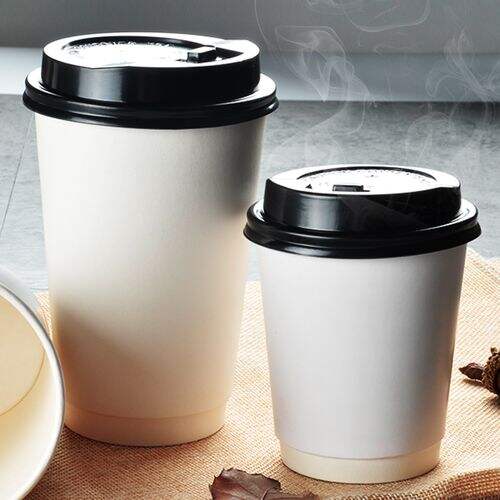
The global takeaway coffee market continues to grow rapidly, and with it, demand for packaging that meets both operational and customer expectations. Coffee shops, convenience stores, and quick-service restaurants all rely on reliable cup-and-lid combinations to deliver beverages safely. vented lids for plastic cups have become the preferred choice for this segment because they address a set of very specific challenges that arise when serving steaming hot drinks in a portable format. This article explores the key design attributes, functional advantages, and practical considerations that make vented lids uniquely well-suited to hot coffee takeaway.
The Engineering Logic Behind Vented Lid Design
How Venting Controls Internal Pressure
When a hot liquid like freshly brewed coffee is sealed inside a plastic cup with a fully closed lid, steam pressure builds rapidly inside the container. This pressure creates two immediate problems: it increases the risk of the lid popping off during transport, and it can force hot liquid back toward the drinking spout, creating a scalding hazard for the consumer. Vented lids for plastic cups are specifically designed to neutralize this internal pressure by incorporating a small opening or channel that allows steam to escape in a controlled manner.
The vent is typically positioned away from the primary drinking aperture, which means the escaping steam does not interfere with the sipping experience. This deliberate placement reflects careful ergonomic and safety thinking. By releasing excess steam, the lid maintains a stable pressure differential between the inside of the cup and the surrounding air, which in turn keeps the lid firmly seated on the cup rim throughout transit.
It is worth noting that the vent size is engineered to balance two competing needs: allowing enough airflow to prevent pressure buildup while remaining small enough to resist liquid splashing out under normal handling conditions. This precision in vent sizing is one of the distinguishing features of quality vented lids for plastic cups used in professional food service applications.
Material Compatibility with High-Temperature Beverages
Not all plastic lid materials perform equally when exposed to beverages at serving temperatures, which for coffee typically range between 70°C and 85°C. Vented lids for plastic cups used in hot beverage applications are generally manufactured from heat-tolerant plastics such as polypropylene (PP), which maintains structural integrity at elevated temperatures without warping, softening, or releasing compounds into the beverage.
The selection of an appropriate plastic substrate is not purely about safety — it also affects the functional performance of the vent itself. A lid that softens at high temperatures may experience distortion around the vent opening, compromising its pressure-release function or creating unintended gaps in the seal. High-quality vented lids for plastic cups are formulated and tested to retain their dimensional accuracy even after extended contact with hot contents.
This material discipline also has implications for food safety compliance. In most markets, food-contact plastics are subject to regulatory standards that govern what materials may be used in direct contact with hot beverages. Responsible manufacturers of vented lids for plastic cups ensure their products meet these standards, giving operators confidence in the safety and legality of their packaging choices.
Functional Advantages Specific to Hot Coffee Takeaway
Steam Escape and Drinking Comfort
One of the most immediately noticeable advantages of vented lids for plastic cups in a hot coffee context is the improvement in drinking comfort. Without a vent, customers often experience a vacuum effect when sipping from a sealed cup — the act of drawing liquid through the spout creates negative pressure inside the cup, which makes sipping harder and can cause the cup walls to deform inward. The vent resolves this by allowing air to enter the cup to replace the liquid being consumed, maintaining consistent flow and a natural drinking rhythm.
This might seem like a minor detail, but in a competitive takeaway environment where customer experience directly influences loyalty and reviews, the quality of the drinking experience matters significantly. Vented lids for plastic cups deliver a smooth, uninterrupted sip every time, which is especially appreciated by consumers who are managing a cup while walking, commuting, or driving.
Additionally, allowing controlled steam escape prevents excessive condensation from forming under the lid near the drinking aperture. Condensed steam near the spout can drip onto a customer's hands or clothing, which is an unpleasant experience that reflects poorly on the brand serving the coffee. A well-designed vent placement routes steam away from this area, keeping the drinking zone cleaner and drier.
Spill Resistance and Secure Fit During Transit
The physical journey from counter to consumer is full of opportunities for spills — jostling in a bag, being placed on a vehicle seat, or simply being carried through a crowded space. Vented lids for plastic cups are engineered to maintain a secure fit on the cup rim under these conditions, even while managing the pressure dynamics described above. The lid-to-cup interface typically features a snap-lock or friction-fit channel that grips the cup rim firmly without requiring excessive force to apply or remove.
Because the vent manages internal pressure, the lid does not need to flex or deform to accommodate steam buildup, which means the seal around the rim remains consistently intact. This is a meaningful difference compared to non-vented lids, which may show signs of partial lifting or distortion as pressure accumulates. In practical terms, vented lids for plastic cups give operators confidence that the beverage will arrive with the customer in the same condition it left the counter.
Some vented lid designs also incorporate a recloseable plug or tab over the drinking aperture, which further reduces the risk of spills during transit. This feature is particularly popular in markets where takeaway coffees are commonly carried in delivery bags or placed in cup holders for extended periods.
Operational Considerations for Coffee Shops and Food Service Operators
Speed and Ease of Application at the Counter
In a busy coffee shop environment, every second counts during the service process. Vented lids for plastic cups are designed to be applied quickly and consistently without requiring special tools or techniques. A straightforward press-fit mechanism allows baristas and service staff to secure a lid with a single downward motion, maintaining workflow speed even during peak periods.
The standardized dimensions of vented lids for plastic cups also simplify inventory management. Most reputable lid suppliers offer products designed to fit common cup diameter sizes across the industry, which means operators can often source lids that are compatible with their existing cup inventory without custom tooling. This compatibility reduces procurement complexity and ensures reliable supply continuity.
Furthermore, because the vent eliminates the need for customers to manually pierce or peel a section of the lid to allow airflow, the entire lid-application step at the counter is streamlined. The lid arrives ready to use, pre-vented, and fully functional — which is a practical operational advantage that adds up over hundreds of transactions per day.
Portion Control and Customization Opportunities
Beyond their functional role, vented lids for plastic cups also represent a branding and presentation opportunity for food service operators. The visible surface of the lid — particularly around the vent and drinking aperture — can be printed or embossed with branding elements, safety messaging, or cup sizing information. This makes the lid a subtle but effective touchpoint in the overall brand experience.
From a portion control perspective, the presence of a secure, vented lid also reinforces the perceived value and professionalism of the product being served. Customers associate well-fitted, thoughtfully designed lids with quality and care — and this association reflects positively on the business providing the coffee. Vented lids for plastic cups help operators signal that they take both product quality and consumer safety seriously.
Operators sourcing cups and lids for their hot beverage programs should consider the full system — cup, lid, and vent design — as an integrated packaging decision rather than selecting components in isolation. A well-matched cup and vented lid combination will perform better in terms of sealing, heat retention, and consumer experience than mismatched components assembled from different suppliers.
Environmental and Regulatory Context for Vented Lid Selection
Sustainability Considerations in Lid Material Choices
The increasing focus on sustainability in food packaging has prompted meaningful innovation in the materials used for vented lids for plastic cups. While traditional petroleum-based plastics remain common due to their cost efficiency and performance characteristics, there is growing availability of lids made from recycled content plastics or bio-based polymers that offer comparable heat resistance and structural performance.
For operators with sustainability commitments, choosing vented lids for plastic cups made from recyclable materials — and communicating this clearly to consumers — can be a meaningful differentiator. However, it is important to verify that the sustainability claims made about any lid product are substantiated and that the material chosen does not compromise the heat-related performance required for safe hot beverage service.
Some jurisdictions are also introducing regulations that restrict the use of certain single-use plastic formats, which may affect lid specifications in the coming years. Operators should stay informed about the regulatory trajectory in their market and choose packaging partners who are actively developing compliant and forward-compatible products.
Food Safety Standards and Compliance Requirements
Any lid used in direct contact with a food or beverage product must meet applicable food safety standards in the jurisdiction where it is used. For vented lids for plastic cups deployed in hot coffee applications, this typically means compliance with standards governing the migration of chemical substances from packaging into the beverage under high-temperature conditions.
Operators purchasing vented lids for plastic cups should request documentation of material compliance from their suppliers, including test results demonstrating conformity with relevant food contact material regulations. This documentation is not only a legal safeguard but also part of responsible due diligence in any professional food service operation.
Working with established, reputable suppliers of vented lids for plastic cups who can provide full traceability and compliance documentation is strongly advisable. The stakes of non-compliance — including product recalls, regulatory fines, and reputational damage — far outweigh any short-term cost savings from purchasing non-compliant or unverified packaging materials.
FAQ
What is the purpose of the vent hole in vented lids for plastic cups?
The vent hole in vented lids for plastic cups serves two primary functions: it releases steam pressure that builds up inside the cup when holding a hot beverage, and it allows air to enter the cup as liquid is consumed, creating a smooth and uninterrupted drinking flow. Without this vent, internal pressure can cause lids to lift or pop off, and a vacuum effect can make sipping difficult and uncomfortable for the consumer.
Are vented lids for plastic cups safe for use with very hot coffee?
Yes, provided the lids are manufactured from appropriate heat-tolerant materials such as polypropylene (PP) and meet food contact material safety standards for the intended temperature range. Quality vented lids for plastic cups are designed and tested to maintain their shape, seal integrity, and food safety compliance when used with hot beverages typically served between 70°C and 85°C. Always verify material specifications and regulatory compliance documentation with your supplier.
How do vented lids for plastic cups improve the customer takeaway experience?
Vented lids for plastic cups improve the takeaway experience in several practical ways: they prevent the lid from detaching due to steam pressure, they eliminate the vacuum effect that makes sipping difficult, and they reduce condensation around the drinking aperture. Together, these features make carrying and drinking hot coffee on the go more comfortable, cleaner, and safer — all of which contribute positively to customer satisfaction and brand perception.
Can vented lids for plastic cups be used with different cup sizes?
Vented lids for plastic cups are typically manufactured in standardized sizes that correspond to common cup rim diameters, such as those used for 8oz, 12oz, 16oz, and 20oz cups. Operators should confirm that the lid diameter matches their specific cup specifications to ensure a secure and reliable fit. Most suppliers offer size charts or fitting guides, and working with a supplier who provides matched cup-and-lid systems is the most reliable approach for consistent performance.