 EN
EN

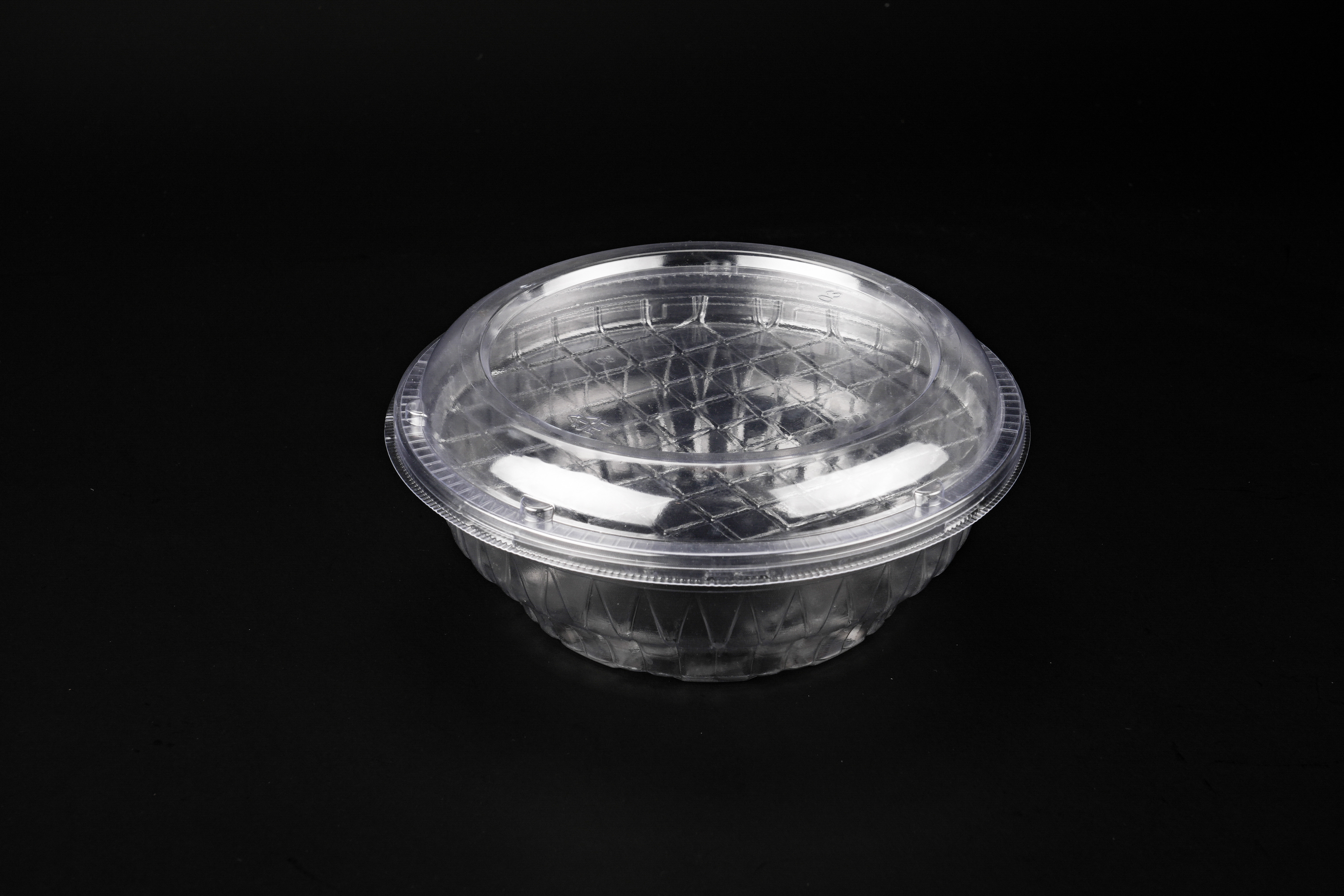
When presentation matters as much as taste, food grade salad bowls play a decisive role in how customers perceive your product. Crystal-clear food grade salad bowls are engineered to let vibrant greens, colorful toppings, and layered ingredients speak for themselves. Whether you operate a catering service, a deli counter, or a meal-prep brand, the visual quality of your packaging directly shapes purchase decisions and brand trust.
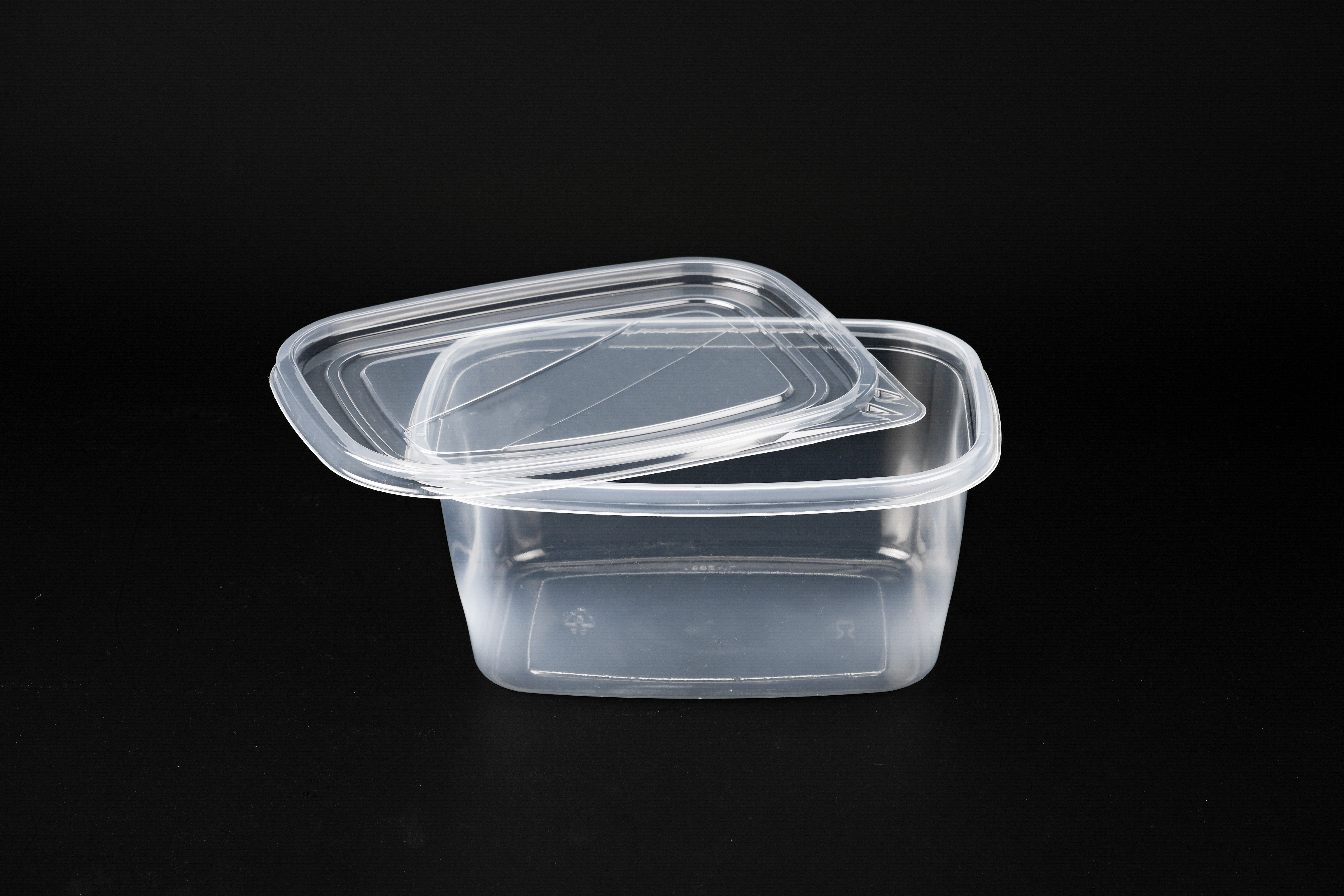
Food grade salad bowls designed with optical clarity are not simply a cosmetic upgrade. They represent a functional choice that connects food safety standards, material science, and visual merchandising into a single package. Understanding what makes food grade salad bowls so effective for ingredient display helps buyers, foodservice operators, and retailers make smarter sourcing decisions.
The Role of Material Clarity in Food Grade Salad Bowls
Why Transparency Sets Food Grade Salad Bowls Apart
The defining characteristic of premium food grade salad bowls is their optical transparency. Unlike opaque or lightly tinted containers, crystal-clear food grade salad bowls allow a full, unobstructed view of every ingredient layer inside. This matters enormously in retail and food service settings where customers make split-second visual judgments. When shoppers can see crisp lettuce, bright cherry tomatoes, and golden croutons without opening the container, they are far more likely to choose that product over one they cannot inspect.
Food grade salad bowls achieve this clarity through the use of materials such as RPET, PET, or BPA-free polypropylene. These materials are specifically selected because they transmit light effectively without yellowing, clouding, or distorting the appearance of ingredients. High-clarity food grade salad bowls also resist surface scratching during transit, preserving the pristine visual impression right up to the point of sale.
Material Safety and Compliance in Food Grade Salad Bowls
True food grade salad bowls must meet recognized safety standards that govern which materials are safe for direct food contact. These standards restrict harmful substances such as BPA, phthalates, and heavy metals from being present in the container material. When food grade salad bowls carry verified BPA-free or food-contact-approved certifications, operators and consumers can trust that no harmful compounds will migrate into the salad contents.
Compliance matters especially for food grade salad bowls used in ready-to-eat applications. Since salad ingredients often include dressings, acidic components like citrus or vinegar, and oils, the bowl material must remain chemically inert under these conditions. Certified food grade salad bowls are formulated to maintain structural and chemical stability across this range of food contact scenarios.
Design Features That Enhance Ingredient Visibility
Structural Design Choices in Food Grade Salad Bowls
Beyond raw material clarity, the structural design of food grade salad bowls plays a critical role in how ingredients are displayed. Bowls with smooth, flat sidewalls minimize visual distortion and allow a cleaner view of interior contents compared to heavily ribbed or textured designs. Wide-mouth food grade salad bowls also improve accessibility and make the visual presentation more immediate when the container is placed on a shelf or counter.
The depth and curvature of food grade salad bowls also influence how ingredients stack and settle. Shallower food grade salad bowls encourage a wide, flat display of toppings and greens, which looks abundant and appealing. Deeper food grade salad bowls support layered presentations such as grain bowls or chef salads where distinct ingredient zones are part of the visual appeal. Matching bowl geometry to the intended salad type is a practical strategy that maximizes the showcase value of food grade salad bowls.
Lid Design and Seal Quality in Food Grade Salad Bowls
A clear lid is just as important as the bowl itself. Food grade salad bowls paired with anti-fog lids maintain visual clarity even when refrigerated or exposed to temperature changes. Standard lids can develop condensation that obscures ingredient visibility, defeating the purpose of using crystal-clear food grade salad bowls in the first place. Anti-fog coatings or vented lid designs specifically address this challenge.
Secure snap-on lids for food grade salad bowls also prevent ingredient shifting during handling and delivery. When a beautifully arranged salad arrives at its destination with intact layering and presentation, it reinforces the quality signal that food grade salad bowls are meant to project. A well-sealed food grade salad bowl protects both food safety and the visual story that ingredients tell.
Business and Merchandising Value of Food Grade Salad Bowls
Retail Shelf Impact of Food Grade Salad Bowls
In a competitive retail environment, food grade salad bowls with maximum clarity function as a silent salesperson. Consumers shopping in a deli, grocery produce section, or prepared food aisle respond to visual cues before reading labels or checking prices. Crystal-clear food grade salad bowls turn the product itself into the most compelling marketing element on the shelf. The freshness, color variety, and composition of the salad are instantly communicated without any additional signage.
Brands that invest in high-quality food grade salad bowls often see improvements in perceived product value. When a container looks premium, the food inside is perceived as premium. This perception gap between clear food grade salad bowls and dull or cloudy alternatives can meaningfully impact both sell-through rates and repeat purchase behavior.
Sustainability Considerations for Food Grade Salad Bowls
Modern food grade salad bowls increasingly incorporate recycled or recyclable materials without compromising transparency. RPET-based food grade salad bowls, for example, deliver the same optical clarity as virgin PET while supporting sustainability goals that resonate with today's environmentally aware consumers. Choosing recyclable food grade salad bowls also aligns foodservice operators and retailers with growing regulatory expectations around single-use packaging.
The durability of food grade salad bowls matters from a sustainability perspective as well. Bowls that crack, warp, or cloud prematurely create waste before even reaching the consumer. Investing in structurally robust food grade salad bowls reduces replacement rates and contributes to a more efficient supply chain overall.
FAQ
What materials are used in crystal-clear food grade salad bowls?
Crystal-clear food grade salad bowls are typically made from PET, RPET, or BPA-free polypropylene. These materials are chosen for their transparency, chemical inertness, and compliance with food-contact safety standards. They remain clear under refrigeration and resist yellowing over normal use conditions.
How do anti-fog lids improve food grade salad bowls for display?
Anti-fog lids prevent condensation from forming on the interior surface of the lid, which would otherwise blur the view of ingredients inside food grade salad bowls. This feature is especially important for refrigerated display cases where temperature differentials are common. Anti-fog technology keeps the ingredient presentation sharp and visually appealing throughout the product's shelf life.
Are food grade salad bowls suitable for dressings and acidic ingredients?
Yes. Certified food grade salad bowls are formulated to be chemically stable when in contact with acidic dressings, citrus juices, vinegar, and oils. The food-contact certification process specifically tests for chemical migration under these conditions. As long as food grade salad bowls carry valid food-contact compliance markings, they are safe and appropriate for use with a full range of salad ingredients and dressings.