 EN
EN

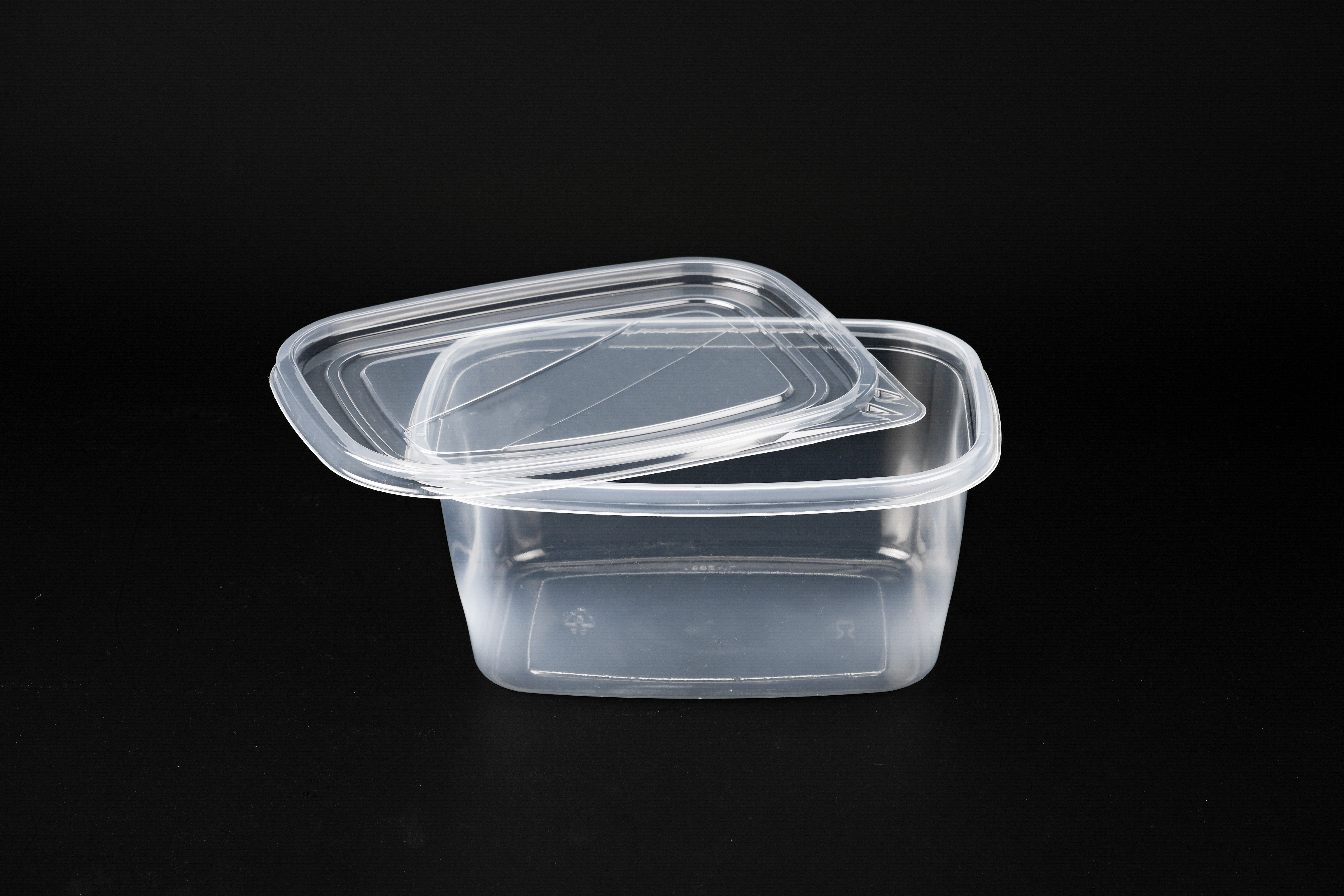
When selecting food grade salad bowls for commercial kitchens, catering operations, or everyday food service, material choice is the single most important factor that determines durability and break resistance. Food grade salad bowls must withstand physical stress, temperature changes, and repeated handling without cracking, shattering, or leaching harmful substances into the food they hold. Understanding which materials deliver these qualities helps buyers make smarter, safer decisions.
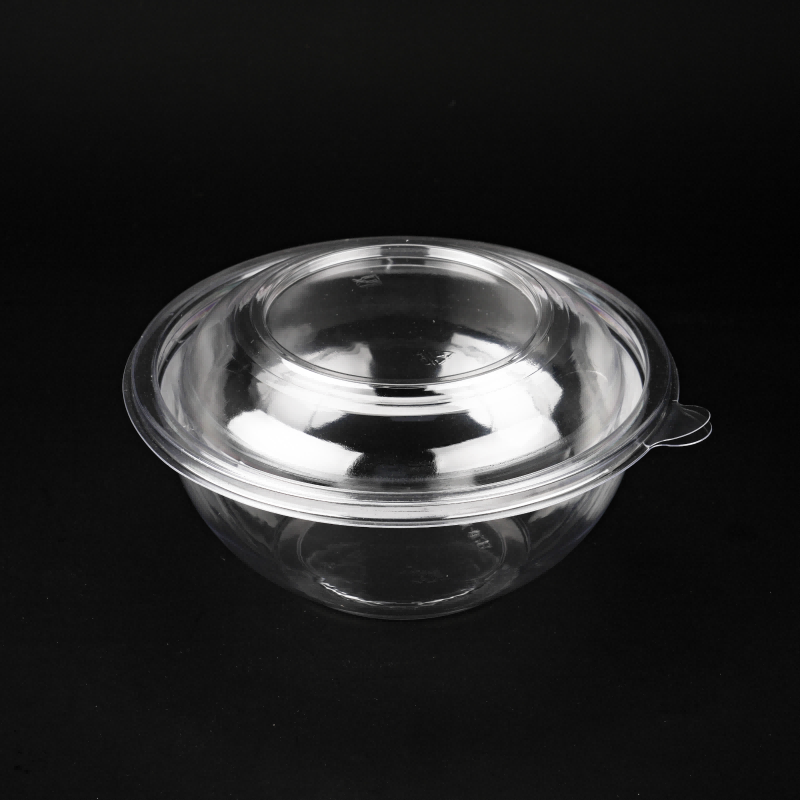
Food grade salad bowls appear across a wide range of industries, from fast-casual restaurants and hospital cafeterias to school lunch programs and meal prep delivery services. Each setting places different stress on the bowls, but all demand the same core qualities: structural integrity, food safety certification, and resistance to breakage under normal use. This article examines the primary materials used in food grade salad bowls and explains how each one contributes to durability and break resistance.
Key Material Categories Used in Food Grade Salad Bowls
Polypropylene and Its Role in Structural Strength
Polypropylene, commonly abbreviated as PP, is one of the most widely used plastics in food grade salad bowls today. It is valued because it combines lightweight handling with impressive impact resistance, meaning food grade salad bowls made from PP can be dropped or stacked without cracking under typical service conditions. Polypropylene is also resistant to moisture absorption, which keeps food grade salad bowls dimensionally stable even when holding wet ingredients like dressed greens or marinated vegetables.
From a food safety perspective, polypropylene is fully approved for direct food contact by major regulatory bodies including the FDA. Food grade salad bowls made from PP do not release harmful plasticizers when used at normal serving temperatures, making them a dependable choice for operators who prioritize both safety and durability. The material also tolerates mild temperature variation well, so food grade salad bowls do not warp when moving from a cooled prep station to a room-temperature service line.
PET and Crystal-Clear Break Resistance
Polyethylene terephthalate, known as PET, is the material behind many transparent food grade salad bowls that need to display contents attractively. PET offers excellent clarity alongside a strong resistance to stress cracking, which makes food grade salad bowls made from this polymer particularly suitable for retail grab-and-go displays where appearance and structural reliability are both critical. PET food grade salad bowls maintain their shape under compression during stacking and transport, reducing product loss and customer complaints.
One practical advantage of PET in food grade salad bowls is its stiffness-to-weight ratio. The material resists flex under load more effectively than some softer plastics, so food grade salad bowls filled with heavy grain salads or protein toppings hold their form without collapsing. PET is also widely recyclable, which aligns with sustainability goals that many food service operations now prioritize.
How Thickness and Wall Design Affect Durability
Wall Gauge and Its Direct Impact on Break Resistance
Even the best material performs poorly if food grade salad bowls are manufactured with insufficient wall thickness. Wall gauge, the measurement of how thick the bowl walls are, directly determines how much force food grade salad bowls can absorb before deforming or cracking. Thicker walls distribute stress more evenly, so food grade salad bowls with a robust gauge are far less likely to fail when stacked under weight during storage or transported in bulk delivery.
Industry-standard food grade salad bowls for commercial use typically maintain consistent wall thickness throughout the base and sidewalls to prevent weak points. Unevenly molded food grade salad bowls often crack first at thinned areas near the rim or base corners. Buyers evaluating food grade salad bowls should ask manufacturers about wall gauge specifications and inspect sample units for uniform thickness before committing to large orders.
Rim and Base Reinforcement Techniques
Beyond raw material and wall gauge, the structural design of food grade salad bowls plays a significant role in break resistance. Rolled rims add rigidity to the top edge of food grade salad bowls, preventing the common failure mode where the rim chips or splits under stacking pressure. A reinforced base provides a stable platform so food grade salad bowls do not rock or tip during service, reducing the risk of drops and the damage that follows.
Many high-performance food grade salad bowls also feature ribbed or corrugated sidewall patterns that increase structural stiffness without adding significant material weight. These design features allow food grade salad bowls to remain lightweight and cost-effective while still meeting the durability demands of high-volume food service environments. The combination of quality material and smart structural engineering defines the most reliable food grade salad bowls on the market.
Evaluating Food Safety Certifications for Reliable Performance
Why Certification Matters for Food Grade Salad Bowls
Durability alone is not enough when selecting food grade salad bowls for professional food service. The bowls must also comply with food safety regulations to ensure that no harmful chemicals migrate into the food during normal use. Food grade salad bowls that carry BPA-free certification confirm that the material does not contain bisphenol A, a chemical linked to health concerns. Certified food grade salad bowls protect both end consumers and the brands serving them.
Reputable food grade salad bowls typically carry certifications from bodies such as the FDA in the United States or equivalent authorities in other markets. These certifications require that the materials used in food grade salad bowls meet strict migration limits, meaning the plastic or composite does not release detectable levels of contaminants under standard food contact conditions. Operators should request documentation confirming that the food grade salad bowls they purchase have passed these evaluations.
BPA-Free Standards and Long-Term Reliability
BPA-free food grade salad bowls are now the standard expectation in modern food service, but buyers should also consider whether the replacement materials in these food grade salad bowls have been independently tested. Some alternative plasticizers used in BPA-free food grade salad bowls require the same rigorous evaluation to confirm long-term safety. Choosing food grade salad bowls from established suppliers who provide full material disclosure and third-party test reports gives operations the confidence that their bowls are genuinely safe and durable over time.
FAQ
What is the most durable material for food grade salad bowls?
Polypropylene is widely considered one of the most durable materials for food grade salad bowls due to its impact resistance, moisture stability, and food safety approvals. PET is also highly durable and offers the added benefit of clarity for display-oriented applications. The best food grade salad bowls combine quality material with adequate wall thickness and reinforced design features.
How can I verify that food grade salad bowls are truly food safe?
To verify that food grade salad bowls are genuinely food safe, request documentation showing compliance with FDA regulations or equivalent standards. Look for BPA-free labeling and ask suppliers for third-party migration test reports. Reputable food grade salad bowls come with traceable certifications that confirm the materials used meet established food contact safety thresholds.
Do food grade salad bowls resist breaking under cold storage conditions?
Quality food grade salad bowls made from PP or PET maintain their structural integrity under cold storage conditions, including refrigerator temperatures commonly used in food prep environments. However, food grade salad bowls should not be subjected to extreme freezing and rapid thermal cycling unless the product specifications confirm suitability. Always review the temperature range stated by the manufacturer before placing food grade salad bowls in cold chain operations.