 EN
EN

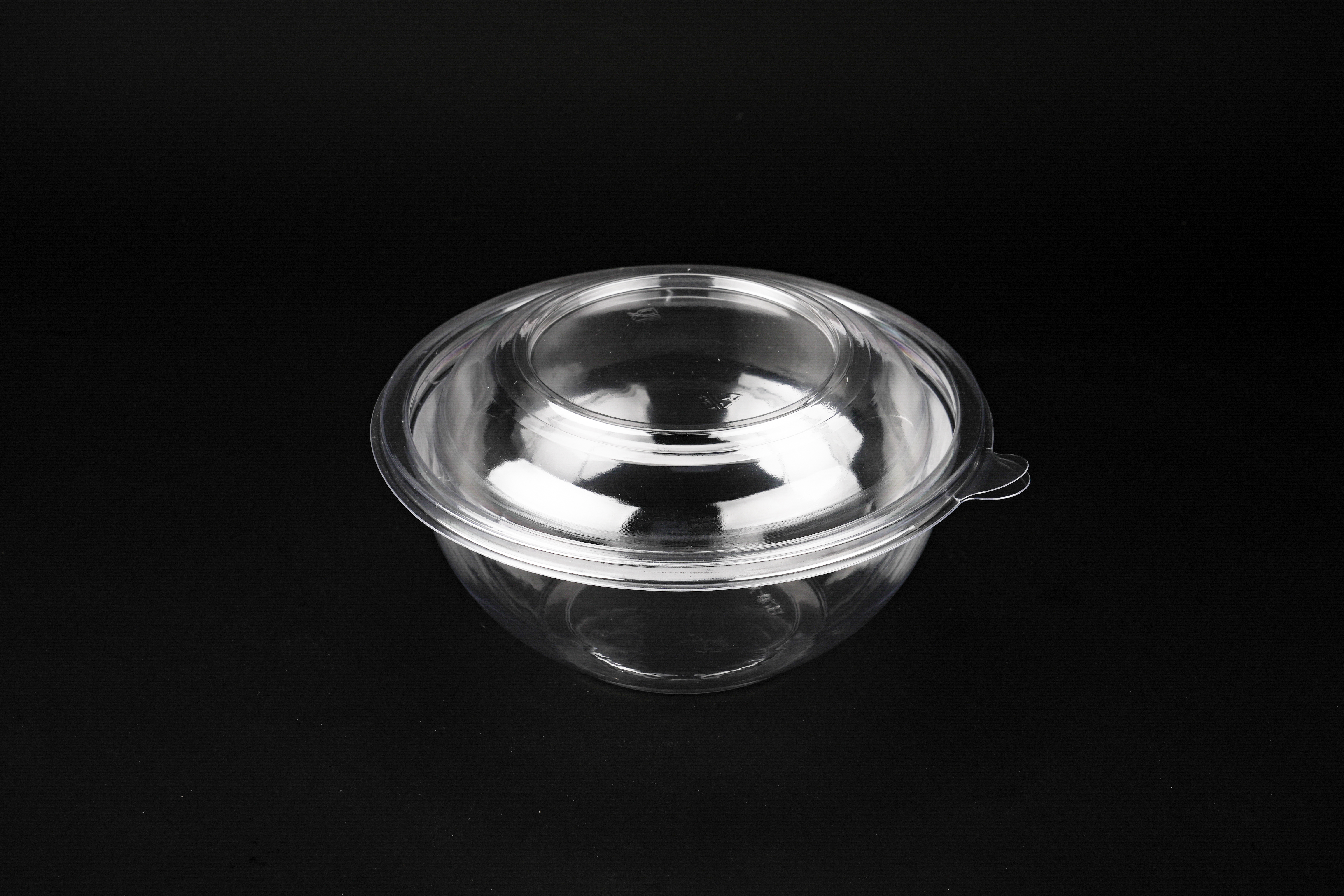
Selecting the right food grade salad bowls that are also microwave-safe for reheating is a decision that directly affects food safety, operational efficiency, and customer satisfaction. Whether you manage a restaurant, a catering service, or a meal-prep delivery brand, the bowls you choose must meet strict material standards and perform reliably when heat is applied. Not all food grade salad bowls are created equal, and choosing the wrong type can lead to chemical leaching, deformation, or even health hazards.
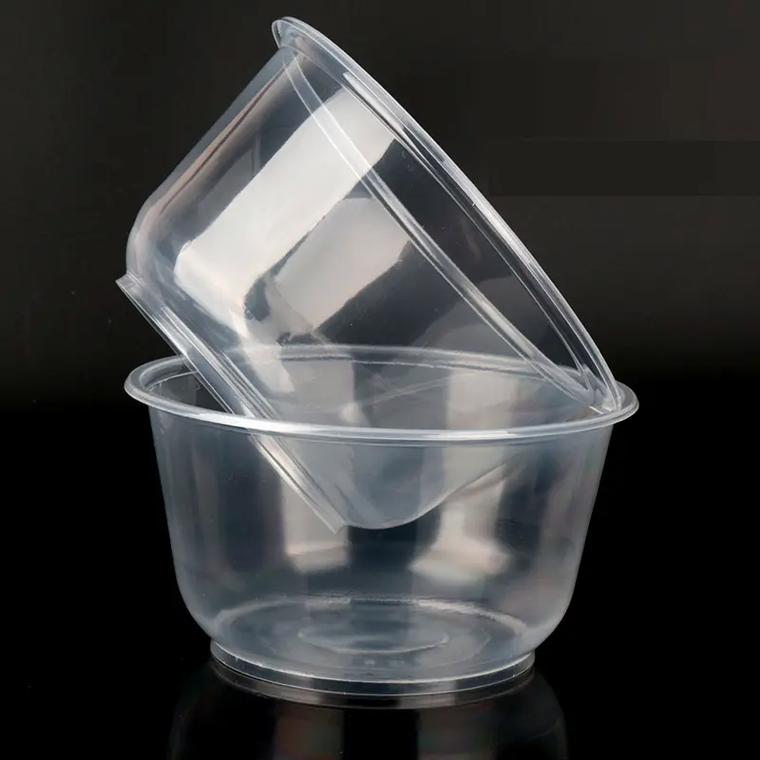
This guide breaks down exactly how to evaluate food grade salad bowls for microwave compatibility, what certifications to look for, which materials perform best under reheating conditions, and how to align your bowl selection with your specific operational needs. By understanding these factors, buyers can source food grade salad bowls with confidence and avoid costly mistakes in the supply chain.
Understanding Materials Used in Food Grade Salad Bowls
Why Material Choice Determines Microwave Safety
The foundation of any microwave-safe food grade salad bowls evaluation begins with material composition. Food grade salad bowls are manufactured from a range of plastics and biopolymers, each reacting differently to microwave energy. Polypropylene, commonly labeled PP, is widely regarded as one of the safest materials for food grade salad bowls intended for microwave use. PP food grade salad bowls retain structural integrity under moderate heat and resist warping better than many alternatives.
Polyethylene, or PE, is another material used in food grade salad bowls, though it is generally suited for cold or ambient storage rather than microwave reheating. PLA, a plant-based biopolymer, is increasingly popular for eco-conscious food grade salad bowls, but most PLA food grade salad bowls are not rated for microwave use because they soften at relatively low temperatures. When sourcing food grade salad bowls for reheating purposes, PP remains the most reliable material category to prioritize.
Recognizing the Difference Between Food Grade and Standard Bowls
Not every salad bowl on the market qualifies as food grade salad bowls. Genuine food grade salad bowls are manufactured without harmful additives such as BPA, phthalates, or recycled industrial plastics. The 'food grade' designation means the raw materials used in food grade salad bowls have been tested and confirmed safe for direct contact with food. This distinction is critical when customers expect that food grade salad bowls will not contaminate their meals during storage or reheating. Always verify that any supplier explicitly labels their products as certified food grade salad bowls rather than relying on general descriptions.
Key Certifications to Verify Before Purchasing
Microwave-Safe Labeling on Food Grade Salad Bowls
Legitimate microwave-safe food grade salad bowls carry visible symbols or text indicating their microwave compatibility. The most common marker is the microwave-safe icon, which typically depicts a microwave with wavy lines. However, for food grade salad bowls used in commercial or food service environments, you should also confirm compliance with regulatory standards. In many markets, food grade salad bowls must comply with FDA regulations in the United States or EU food contact material regulations in Europe. These frameworks establish migration limits to ensure that food grade salad bowls do not release harmful substances into food when heated.
Request documentation from your supplier confirming that their food grade salad bowls have been tested according to these standards. Reputable manufacturers of food grade salad bowls will provide migration test reports, material safety data sheets, and certificates of compliance. Purchasing food grade salad bowls without this documentation is a risk that no responsible buyer should take, especially in regulated food service contexts.
Temperature Ratings for Food Grade Salad Bowls
Beyond labeling, food grade salad bowls should carry a specified temperature range. For microwave reheating, food grade salad bowls should ideally be rated to withstand at least 120 degrees Celsius, as standard microwave reheating typically reaches between 80 and 100 degrees Celsius. Food grade salad bowls with a higher temperature tolerance provide a safety margin. Always cross-reference the temperature rating with your actual reheating application to ensure the food grade salad bowls you select are appropriately specified for your needs.
Practical Selection Criteria for Buyers and Operators
Matching Bowl Design to Food Service Requirements
Microwave-safe food grade salad bowls come in a range of sizes, lid configurations, and structural designs. For meal-prep delivery, food grade salad bowls with tight-fitting, vented lids are preferable because they allow steam to escape without creating pressure buildup during reheating. In cafeteria or canteen settings, food grade salad bowls that are stackable and easy to handle reduce operational friction. The design of food grade salad bowls should align with how they will actually be used in your workflow, from prep to packaging to reheating to disposal or washing.
Consider also the capacity of food grade salad bowls. Standard food grade salad bowls for individual portions typically range from 500 ml to 1000 ml. Choosing appropriately sized food grade salad bowls prevents overcrowding during reheating, which can affect even heat distribution. The right size of food grade salad bowls contributes to a better end-user experience.
Evaluating Suppliers of Food Grade Salad Bowls
When comparing suppliers of food grade salad bowls, focus on consistency, documentation, and minimum order requirements. Reliable suppliers of food grade salad bowls will have a transparent production process, consistent raw material sourcing, and a track record of supplying certified food grade salad bowls to regulated markets. Ask for product samples before committing to a large order. Testing sample food grade salad bowls in your actual microwave environment gives you direct evidence of performance. Look for any signs of deformation, discoloration, or off-putting odors after heating, as these indicate that the food grade salad bowls may not meet the safety standards they claim.
Price is always a consideration when sourcing food grade salad bowls in volume, but it should never override safety requirements. Lower-priced food grade salad bowls that lack proper certification represent a false economy when compliance failures or customer complaints arise. The goal is to find food grade salad bowls that balance cost efficiency with verified safety performance.
FAQ
Are all food grade salad bowls safe for microwave reheating?
No, not all food grade salad bowls are rated for microwave use. Food grade salad bowls made from PLA or standard PE are generally not microwave-safe. For microwave reheating, choose food grade salad bowls explicitly labeled as microwave-safe and made from PP material with a temperature rating above 120 degrees Celsius.
How can I confirm that food grade salad bowls meet regulatory standards?
Request migration test reports, certificates of compliance, and material safety data sheets from your supplier. Legitimate food grade salad bowls suppliers can provide documentation confirming compliance with FDA or EU food contact material regulations. Do not accept food grade salad bowls without verifiable certification.
What size of food grade salad bowls works best for meal-prep delivery with reheating?
For meal-prep delivery, food grade salad bowls in the 750 ml to 1000 ml range with vented, secure lids are most practical. These food grade salad bowls allow adequate portion sizes and safe steam release during microwave reheating, making them a reliable choice for individual meal portions.