 EN
EN

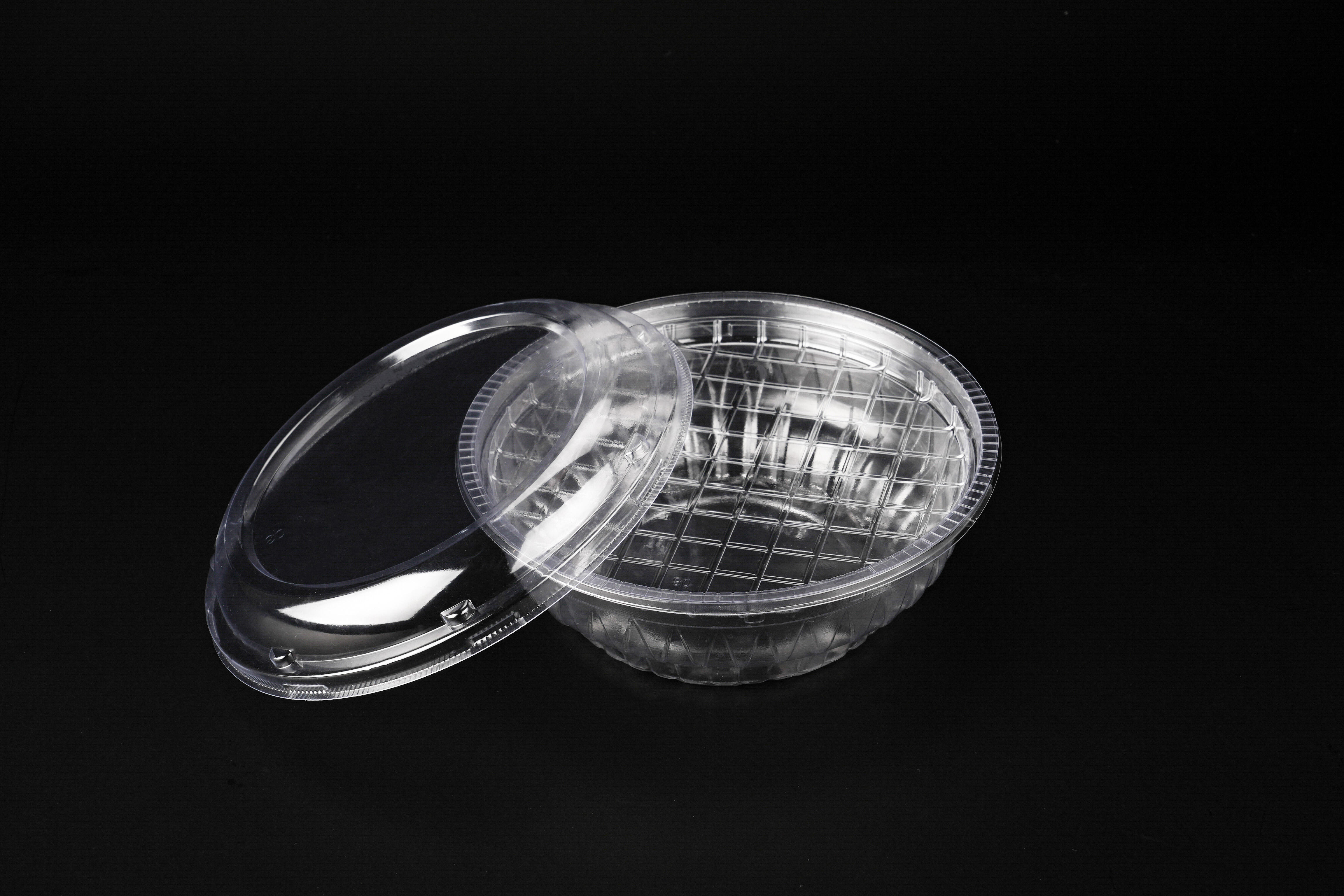
As restaurant owners and food service operators increasingly prioritize sustainability, a critical question emerges regarding the environmental impact of takeout packaging: can PET clear salad containers be recycled after your restaurant's salad sales? The answer is yes, but with important considerations that affect both recycling success rates and your establishment's environmental footprint. Understanding the recyclability of PET clear salad containers is essential for restaurants committed to reducing waste while maintaining the quality and presentation standards that customers expect from fresh salad offerings.
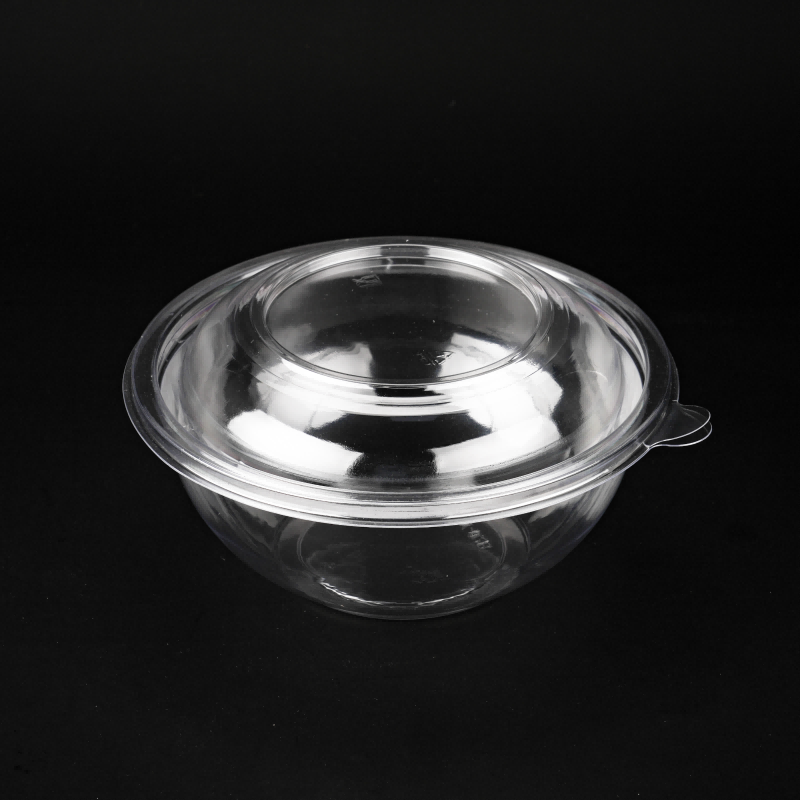
The recyclability of PET clear salad containers depends on several factors including local recycling infrastructure, container contamination levels, and proper disposal practices by both restaurant staff and customers. Polyethylene terephthalate, commonly known as PET or PETE (recycling code #1), is one of the most widely recycled plastics globally, making these containers an environmentally responsible choice when managed correctly. However, the journey from your restaurant's service counter to successful recycling requires understanding the specific conditions that enable PET clear salad containers to be processed effectively and transformed into new products rather than ending up in landfills.
Understanding PET Material Properties and Recycling Compatibility
Chemical Composition of PET Clear Salad Containers
PET clear salad containers are manufactured from polyethylene terephthalate, a thermoplastic polymer resin that offers exceptional clarity, strength, and barrier properties ideal for food packaging applications. This material is created through a polymerization process that combines ethylene glycol and terephthalic acid, resulting in long molecular chains that provide structural integrity while maintaining transparency. The chemical stability of PET makes it highly suitable for recycling because the polymer chains can be broken down and reformed multiple times without significant degradation of material properties, which is crucial for restaurants seeking sustainable packaging solutions.
The molecular structure of PET used in clear salad containers allows for efficient mechanical recycling processes where the material can be ground into flakes, washed, melted, and reformed into new products. Unlike some plastics that deteriorate rapidly during recycling, PET maintains its integrity through multiple recycling cycles, making it a preferred material for closed-loop recycling systems. Restaurants using PET clear salad containers benefit from this inherent recyclability, as the material can theoretically be recycled indefinitely with proper processing, though practical recycling typically involves mixing with virgin material to maintain quality standards.
Recycling Infrastructure Recognition of PET
Municipal recycling programs across North America, Europe, and many other regions universally accept PET materials marked with recycling code #1, which includes most PET clear salad containers used in restaurant operations. This widespread acceptance stems from established markets for recycled PET and proven processing technologies that make PET recycling economically viable for waste management facilities. The recognition factor is significant for restaurants because it means customers can typically place these containers in standard curbside recycling bins without confusion, improving participation rates compared to less commonly recycled materials.
Recycling facilities have invested in sorting technologies specifically designed to identify and separate PET materials from mixed recycling streams using optical scanners and density separation methods. These systems can efficiently distinguish PET clear salad containers from other plastics and materials, ensuring they are directed to appropriate processing lines. The established infrastructure for PET recycling means restaurants can confidently communicate to customers that their salad containers are recyclable in most communities, though verification with local waste management authorities remains advisable to account for regional variations in accepted materials.
Environmental Advantages of Recyclable PET Packaging
Choosing PET clear salad containers for restaurant salad sales delivers measurable environmental benefits compared to non-recyclable alternatives or materials with limited recycling infrastructure. Recycled PET requires approximately 79% less energy to produce than virgin PET, significantly reducing the carbon footprint associated with packaging when containers are successfully diverted from landfills and processed through recycling channels. For restaurants committed to sustainability goals, this energy savings translates directly to reduced greenhouse gas emissions attributable to their operations, providing tangible environmental improvements that can be communicated to eco-conscious customers.
The recycling of PET clear salad containers also conserves petroleum resources, as virgin PET production relies on fossil fuel derivatives. Each ton of recycled PET used in place of virgin material saves approximately 26 gallons of petroleum, making recycling a resource conservation strategy beyond waste reduction. Restaurants participating in circular economy initiatives find that PET clear salad containers align with broader sustainability objectives because the material can be transformed into new food-grade containers, fiber for textiles, or durable goods, creating value from what would otherwise be waste and demonstrating responsible resource stewardship to stakeholders.
Contamination Challenges Specific to Restaurant Salad Containers
Food Residue Impact on Recycling Processing
The primary challenge affecting whether PET clear salad containers can be successfully recycled after restaurant salad sales involves food contamination remaining in containers after customer use. Salad dressings, oils, vegetable particles, and other organic matter adhering to container surfaces can compromise recycling processes if not adequately removed before containers enter recycling streams. Recycling facilities require relatively clean PET materials to produce high-quality recycled content, and excessive contamination can result in entire batches being rejected and diverted to landfills, undermining the environmental benefits that recyclable PET clear salad containers are designed to provide.
The viscous nature of many salad dressings presents particular concerns because oil-based residues are difficult for standard recycling wash systems to remove completely and can contaminate water used in recycling processes. While recycling facilities incorporate washing stages to remove light contamination, PET clear salad containers with heavy food residue may not achieve the cleanliness standards required for food-grade recycled content production. Restaurants can address this challenge by educating customers on proper container disposal practices, including scraping out excess food and rinsing containers when possible before placing them in recycling bins, though practical implementation of such customer behaviors varies significantly.
Cross-Contamination from Multi-Material Components
Many PET clear salad containers used in restaurant operations include multi-material components such as different plastic lids, paper labels, or separate utensil compartments that can complicate recycling if not separated properly. While the main body of PET clear salad containers is highly recyclable, attached lids made from different plastic types (such as polypropylene or polystyrene) require separation at recycling facilities or by consumers to ensure material purity. Modern sorting technologies can handle some mixed materials, but optimal recycling outcomes occur when different components are separated, which may not happen consistently in residential or commercial recycling contexts.
Restaurants selecting PET clear salad containers should consider packaging designs that facilitate recycling by using mono-material construction where both container and lid are manufactured from the same PET resin. This design approach eliminates sorting requirements and ensures that the entire package can be processed together through recycling systems without material contamination concerns. When multi-material designs are necessary for functional reasons, clear communication to customers about component separation enhances recycling success rates, though restaurants must balance environmental optimization with practical customer convenience considerations.
Grease and Oil Barrier Considerations
Salads containing oil-based dressings or greasy proteins can leave residues on PET clear salad containers that affect both recyclability perception and actual processing outcomes at recycling facilities. Unlike water-soluble contaminants that wash away relatively easily, oil and grease create films on plastic surfaces that resist standard cleaning processes and can transfer to other materials during recycling operations. This contamination pattern is particularly relevant for restaurant salad containers because many popular salad varieties include dressings with significant oil content that inevitably contacts container surfaces during consumption and transportation.
The practical impact of grease contamination on PET clear salad containers depends on contamination severity and recycling facility capabilities. Light oil residue may not prevent successful recycling, particularly at facilities with advanced washing systems, but heavily soiled containers are more likely to be rejected. Restaurants can mitigate this challenge by designing salad packaging systems that minimize dressing contact with container walls, such as separate dressing compartments or side containers, though such solutions must balance environmental objectives with cost considerations and customer convenience expectations that drive restaurant operations.
Best Practices for Maximizing Recycling Success After Salad Sales
Employee Training on Proper Disposal Protocols
Restaurants committed to ensuring their PET clear salad containers are recycled successfully must implement comprehensive employee training programs covering proper waste sorting and recycling protocols. Staff members handling used containers in dining areas or during takeout service should understand which components are recyclable, how to communicate recycling instructions to customers, and proper procedures for back-of-house waste management. This training foundation enables consistent recycling practices across all service touchpoints and reduces contamination rates that undermine recycling effectiveness.
Training should address common misconceptions about plastic recycling and equip employees with accurate information about PET clear salad containers specifically, including their recycling code, local acceptance in municipal programs, and any preparation steps required for optimal recycling. Restaurants can develop quick-reference guides showing proper disposal procedures for different container components and post visual aids near waste sorting stations to reinforce correct behaviors. Regular refresher training ensures that recycling best practices remain consistent as staff turnover occurs and helps maintain the environmental performance standards that restaurants establish for their operations.
Customer Education and Communication Strategies
Effective customer communication about the recyclability of PET clear salad containers significantly influences actual recycling rates because most takeout packaging disposal occurs outside restaurant premises where staff oversight is impossible. Restaurants should implement clear labeling systems on containers themselves indicating recyclability, proper disposal instructions, and any preparation steps customers should take before recycling. These on-package messages serve as point-of-use reminders that can influence customer behavior at the critical moment when disposal decisions are made.
Beyond container labeling, restaurants can leverage multiple communication channels including website content, social media messaging, receipt printing, and in-store signage to educate customers about proper disposal of PET clear salad containers. Messages should be specific rather than generic, providing actionable guidance such as emptying remaining food contents, rinsing if possible, and separating lids if made from different materials. Some restaurants have found success with visual campaigns showing the lifecycle of recycled containers or highlighting the environmental impact of proper recycling, creating emotional connections that motivate customers to follow through with correct disposal practices.
Facility-Level Recycling Infrastructure Development
Restaurants with dine-in service can directly influence recycling success for PET clear salad containers by establishing effective on-site waste sorting systems that capture containers before they leave the premises. Dedicated recycling stations with clearly labeled bins for PET plastics, positioned conveniently in dining areas and near exits, increase the likelihood that customers will properly dispose of salad containers rather than placing them in general waste streams. These systems should include visual aids showing what materials belong in each bin and position recycling options as prominently as trash disposal to normalize recycling behaviors.
Back-of-house recycling infrastructure is equally important for restaurants managing significant volumes of PET clear salad containers through delivery and takeout services. Establishing partnerships with commercial recycling services that can handle food-contaminated plastics more effectively than residential programs may provide restaurants with enhanced recycling capabilities. Some food service operations have implemented container return programs where customers can bring back used salad containers for proper recycling or even reuse after industrial washing, creating closed-loop systems that maximize environmental benefits while building customer loyalty around sustainability initiatives.
Economic and Operational Considerations for Restaurant Recycling Programs
Cost-Benefit Analysis of Recyclable Packaging Choices
Restaurants evaluating whether to prioritize PET clear salad containers based on recyclability must consider the complete economic picture including material costs, waste management expenses, and potential revenue from recycling programs. While PET clear salad containers may carry slightly higher upfront costs compared to some non-recyclable alternatives, the total cost of ownership can be favorable when factoring in waste disposal savings and potential recycling rebates available in some regions. Restaurants in areas with pay-as-you-throw waste systems realize direct savings when diverting recyclable PET containers from trash streams, making the economic case for recyclable packaging more compelling.
The branding and marketing value associated with using recyclable PET clear salad containers also contributes to economic justification, particularly for restaurants targeting environmentally conscious customer segments. Sustainability messaging built around recyclable packaging can differentiate restaurants in competitive markets and support premium pricing strategies that offset any incremental packaging costs. Additionally, many corporate and institutional catering clients now require sustainable packaging as part of procurement criteria, making investment in recyclable PET clear salad containers a business development strategy rather than purely an environmental initiative.
Waste Hauling and Processing Partnerships
The practical recyclability of PET clear salad containers in restaurant operations depends significantly on relationships with waste management service providers who collect and process recycling materials. Restaurants should actively engage with haulers to understand their capabilities for handling food-contaminated plastics and any specific requirements for acceptable contamination levels. Some commercial recycling services offer specialized food service programs designed to handle the unique challenges of restaurant packaging, including higher contamination tolerance and more frequent collection schedules that prevent odor and pest issues.
Negotiating favorable terms with recycling service providers can improve both environmental and economic outcomes for restaurants using PET clear salad containers at scale. Volume commitments may unlock pricing advantages or enable access to specialized processing that ensures materials are actually recycled rather than landfilled due to contamination concerns. Forward-thinking restaurants are also exploring partnerships with recycling innovators developing advanced technologies for processing heavily contaminated plastics, positioning themselves at the forefront of circular economy developments in the food service sector.
Regulatory Compliance and Future-Proofing Operations
Regulatory landscapes around packaging recyclability are evolving rapidly, with many jurisdictions implementing extended producer responsibility programs, recyclability labeling requirements, and restrictions on non-recyclable food service packaging. Restaurants investing in PET clear salad containers position themselves advantageously relative to these emerging regulations because PET's established recyclability and widespread acceptance in recycling programs align with policy directions favoring circular economy principles. This regulatory alignment reduces compliance costs and adaptation requirements compared to continuing use of packaging materials with limited end-of-life management options.
Future regulatory trends appear likely to increase requirements for recyclable content in packaging and establish more stringent criteria for recyclability claims, making the provable recyclability of PET clear salad containers increasingly valuable. Restaurants can future-proof operations by establishing recycling tracking systems that document diversion rates and recycling outcomes, creating verifiable sustainability credentials that satisfy both current stakeholder expectations and anticipated future reporting requirements. This proactive approach to packaging sustainability transforms regulatory compliance from a cost center into a strategic advantage supporting long-term business resilience.
FAQ
What makes PET clear salad containers recyclable compared to other plastic types?
PET clear salad containers are recyclable because they are made from polyethylene terephthalate (recycling code #1), which is universally accepted by recycling programs and can be efficiently processed using established mechanical recycling technologies. The material's chemical structure allows it to be melted and reformed multiple times without significant quality degradation, and extensive recycling infrastructure exists specifically for PET materials. Unlike less commonly recycled plastics, PET has strong market demand in its recycled form for manufacturing new containers, textiles, and other products, ensuring that collected materials are actually reprocessed rather than landfilled.
How should restaurant customers prepare PET clear salad containers before recycling?
Customers should empty all food contents from PET clear salad containers and ideally rinse them with water to remove dressing residue and food particles before placing them in recycling bins. While most recycling facilities can handle light contamination, removing excess food significantly improves processing success and reduces the likelihood of contamination spreading to other recyclable materials. If containers have multi-material lids made from different plastic types, separating these components optimizes recycling outcomes, though many modern facilities can handle this separation mechanically if consumers cannot practically do so.
Do all municipalities accept PET clear salad containers in curbside recycling programs?
While the vast majority of municipal recycling programs accept PET materials marked with recycling code #1, including most PET clear salad containers, acceptance can vary based on local infrastructure capabilities and program specifications. Some communities may exclude food-contaminated plastics from curbside collection even if the base material is recyclable, while others accept all PET regardless of contamination levels. Restaurants should verify with local waste management authorities to understand specific program requirements and communicate accurate disposal guidance to customers based on the communities they serve.
Can PET clear salad containers be recycled into new food-grade packaging?
Yes, PET clear salad containers can be recycled into new food-grade packaging through approved recycling processes that meet FDA and other regulatory standards for food contact materials. Advanced recycling technologies can produce recycled PET that is chemically and physically equivalent to virgin material, suitable for direct food contact applications including new salad containers. However, not all recycling streams achieve food-grade quality, with some recycled PET being used for non-food applications like textiles or industrial products. The potential for closed-loop recycling where old salad containers become new ones represents the highest environmental value outcome for restaurant packaging recycling programs.
Table of Contents
- Understanding PET Material Properties and Recycling Compatibility
- Contamination Challenges Specific to Restaurant Salad Containers
- Best Practices for Maximizing Recycling Success After Salad Sales
- Economic and Operational Considerations for Restaurant Recycling Programs
-
FAQ
- What makes PET clear salad containers recyclable compared to other plastic types?
- How should restaurant customers prepare PET clear salad containers before recycling?
- Do all municipalities accept PET clear salad containers in curbside recycling programs?
- Can PET clear salad containers be recycled into new food-grade packaging?