 EN
EN

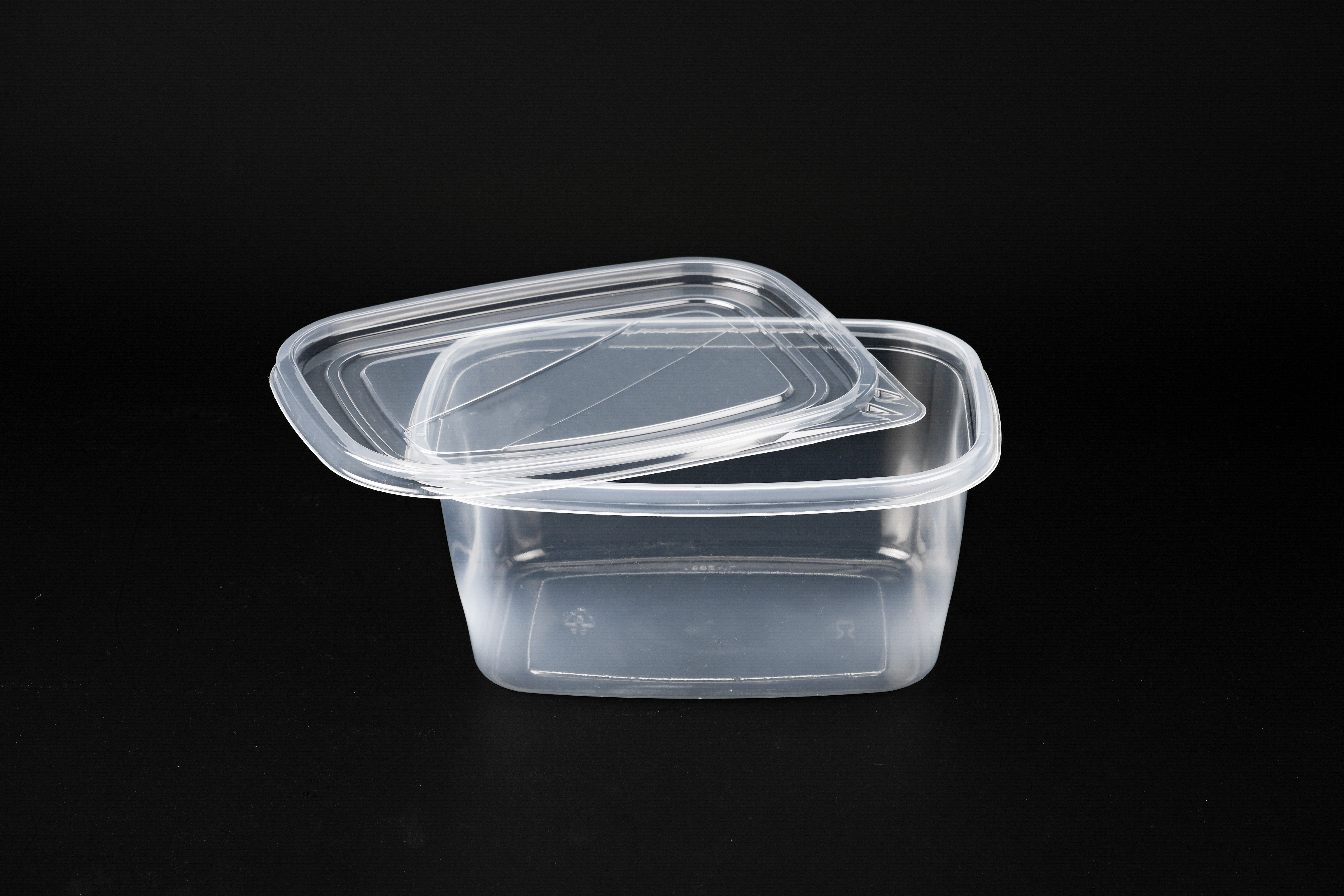
Maintaining the crystal clarity of food grade salad bowls is not simply a matter of aesthetics. When food grade salad bowls lose their transparency, they can appear unhygienic to customers, diminish presentation value, and even signal that the material has been compromised. Whether you are a foodservice operator, a catering business, or a health-conscious retailer, understanding the correct cleaning method for food grade salad bowls is essential to protect your investment and your brand.
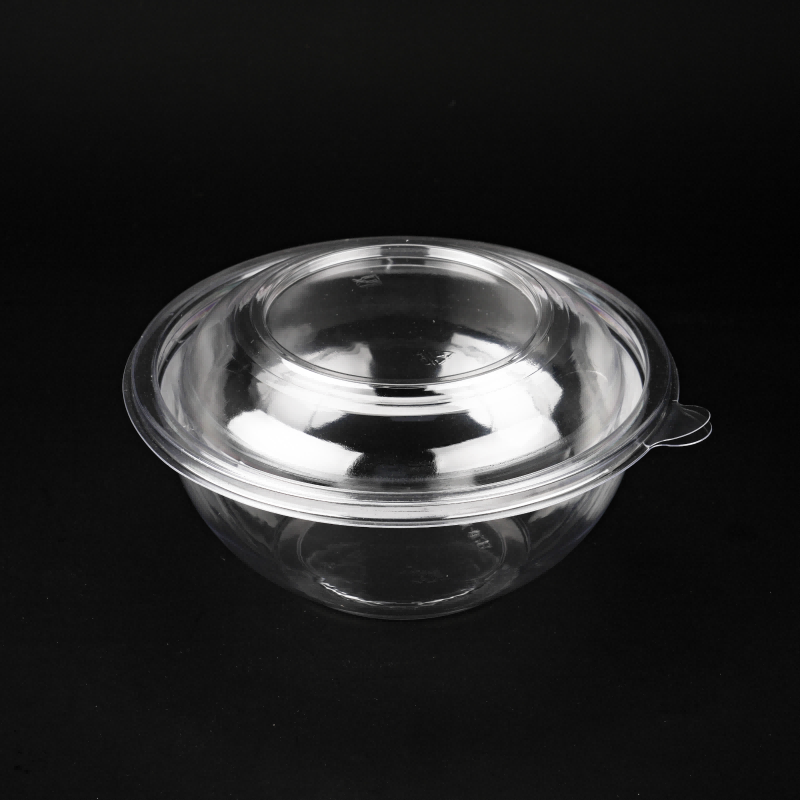
Food grade salad bowls are specifically manufactured to meet food safety standards, which means the materials respond differently to heat, chemicals, and abrasion compared to standard plastic or glass. This guide walks through the most effective, safety-aligned steps to clean food grade salad bowls without scratching the surface, causing cloudiness, or introducing harmful residues. Applying the right techniques ensures that food grade salad bowls remain visually pristine and structurally sound over their intended use cycle.
Understanding the Material Before Cleaning
Why Material Type Changes Everything
Food grade salad bowls are typically produced from PET, RPET, or BPA-free polypropylene, all of which carry distinct properties. Food grade salad bowls made from PET are rigid, highly transparent, and relatively sensitive to high temperatures. Food grade salad bowls produced from polypropylene are more heat-tolerant but can develop micro-scratches more easily when exposed to abrasive cleaning pads. Before choosing your cleaning method, always identify the base material of your food grade salad bowls, as this directly determines which cleaning agents and temperatures are safe to use.
Reading the Manufacturer's Care Symbols
Most food grade salad bowls carry recycling codes and care symbols on the base. These symbols tell you whether the food grade salad bowls are dishwasher-safe, hand-wash-only, or microwave-compatible. Ignoring these symbols is a common reason why food grade salad bowls become cloudy or warped. Always check the base of your food grade salad bowls before placing them in a commercial dishwasher or soaking them in hot water. Following manufacturer guidance is the first and most important step in preserving the clarity of food grade salad bowls.
Step-by-Step Cleaning Process for Maximum Clarity
The Correct Hand-Washing Technique
Hand-washing is the gentlest and most recommended method for food grade salad bowls, particularly those made from PET. Start by rinsing food grade salad bowls immediately after use to prevent dressing oils, acidic vinegars, and pigmented vegetables from bonding with the surface. Use lukewarm water, not hot, to avoid thermal stress on food grade salad bowls. Apply a few drops of a pH-neutral dish soap and use a soft microfiber cloth or a non-abrasive sponge to clean the inner and outer surfaces of food grade salad bowls using gentle circular motions. Rinse thoroughly to ensure no soap film remains, as residue is a leading cause of cloudiness in food grade salad bowls.
After rinsing, avoid stacking food grade salad bowls while they are still wet. Allow food grade salad bowls to air dry in an upright or inverted position on a clean rack. Towel-drying food grade salad bowls with a rough cloth introduces micro-scratches that accumulate over time and dull the surface. For commercial operations handling large volumes of food grade salad bowls, using dedicated soft-lining drying racks significantly reduces damage risk.
When Dishwasher Use Is Appropriate
Some food grade salad bowls are rated for light commercial dishwasher cycles, particularly those made from polypropylene. When placing food grade salad bowls in a dishwasher, always use the lower rack to avoid excessive heat from the top element. Select a gentle or 'eco' cycle with a water temperature below 60 degrees Celsius when cleaning food grade salad bowls. Avoid using dishwasher detergents that contain chlorine bleach or strong alkaline builders, as these agents chemically degrade the surface of food grade salad bowls over time. Using a rinse aid designed for plasticware helps food grade salad bowls shed water evenly and dry without water spots.
Removing Stains and Restoring Clarity
Dealing with Oil Film and Dressing Residue
Oil-based dressings and creamy sauces create a persistent film on food grade salad bowls that regular dish soap may not fully remove. For food grade salad bowls affected by oil film, prepare a solution of warm water with a small amount of white vinegar and a drop of dish soap. Soak food grade salad bowls in this solution for five to ten minutes before wiping gently. White vinegar is a mild acid that breaks down fatty residue without damaging the polymer surface of food grade salad bowls. This technique restores the transparent appearance of food grade salad bowls without the need for harsh scrubbing.
Addressing Clouding and Surface Haze
Cloudiness in food grade salad bowls usually develops from one of three causes: hard water mineral deposits, micro-scratches, or chemical exposure. For mineral-related haze on food grade salad bowls, a diluted citric acid rinse or white vinegar soak effectively dissolves calcium carbonate buildup. For food grade salad bowls showing fine surface scratches, a small amount of plastic-safe polishing compound can reduce the appearance of minor abrasion. However, if the cloudiness in food grade salad bowls is caused by deep chemical damage or permanent etching, the bowl has reached the end of its functional life and should be replaced. Replacing compromised food grade salad bowls promptly is not only a quality standard but a food safety responsibility.
FAQ
Can I use bleach to sanitize food grade salad bowls?
Bleach should be avoided on food grade salad bowls unless the manufacturer explicitly states compatibility. Chlorine bleach degrades the polymer structure of most food grade salad bowls, causing yellowing, surface etching, and reduced clarity. For sanitizing food grade salad bowls in commercial settings, use food-safe sanitizing solutions approved for plasticware, such as quaternary ammonium compounds diluted to the recommended concentration.
How often should food grade salad bowls be replaced in a commercial setting?
Food grade salad bowls used in high-volume commercial environments should be assessed regularly for visible scratches, cloudiness, and structural integrity. When food grade salad bowls show persistent haze that cannot be removed, deep scratches that trap residue, or warping from heat exposure, they should be removed from service. Proactively replacing food grade salad bowls protects hygiene standards and maintains the professional presentation expected by customers.
Are food grade salad bowls safe to clean with baking soda?
Baking soda is a mild abrasive, and its use on food grade salad bowls depends on the application. For light stain removal, a paste of baking soda and water applied with a soft cloth can be effective on food grade salad bowls without causing significant scratching. However, scrubbing food grade salad bowls with baking soda using a rough sponge will introduce micro-scratches over time. Use baking soda sparingly and always follow with a thorough rinse to prevent any alkaline residue from remaining on food grade salad bowls.